How to Build an Ecommerce Strategies: 7 Proven Steps
Learn practical ecommerce tactics that enhance customer engagement, streamline operations and effectively boost your online store’s sales performance.

Learn practical ecommerce tactics that enhance customer engagement, streamline operations and effectively boost your online store’s sales performance.
Standing out and driving consistent sales is a significant challenge for many businesses, especially when it’s a competitive business space. A lack of a clear ecommerce strategy often leads to wasted resources and lost customers to competitors.
eCommerce sales are projected to reach $6.42 trillion globally in 2026, accounting for over 20% of all retail sales. A well-defined strategy can guide businesses toward success by enhancing customer acquisition, retention, and conversions.
In this blog, we will explore how to create a robust ecommerce strategy that aligns with your business goals and builds long-term growth.
E-commerce strategy refers to the comprehensive plan a business develops to establish, operate, and grow its online sales channels. It encompasses all aspects of selling products or services online including website design, digital marketing, customer experience optimization, logistics, payment processing and technology infrastructure.
An effective ecommerce strategy aligns these elements with the company’s broader business objectives while adapting to the unique dynamics of digital commerce. It enables businesses to understand customer behaviors, anticipate market trends, and implement technologies that enhance the shopping experience. Companies with strong ecommerce strategies can quickly adapt to changing consumer preferences, technological innovations, and competitive pressures.
Key objectives:
An effective e-commerce strategy is essential for businesses aiming to expand their reach and boost sales. Let’s explore its importance and how it helps your business.
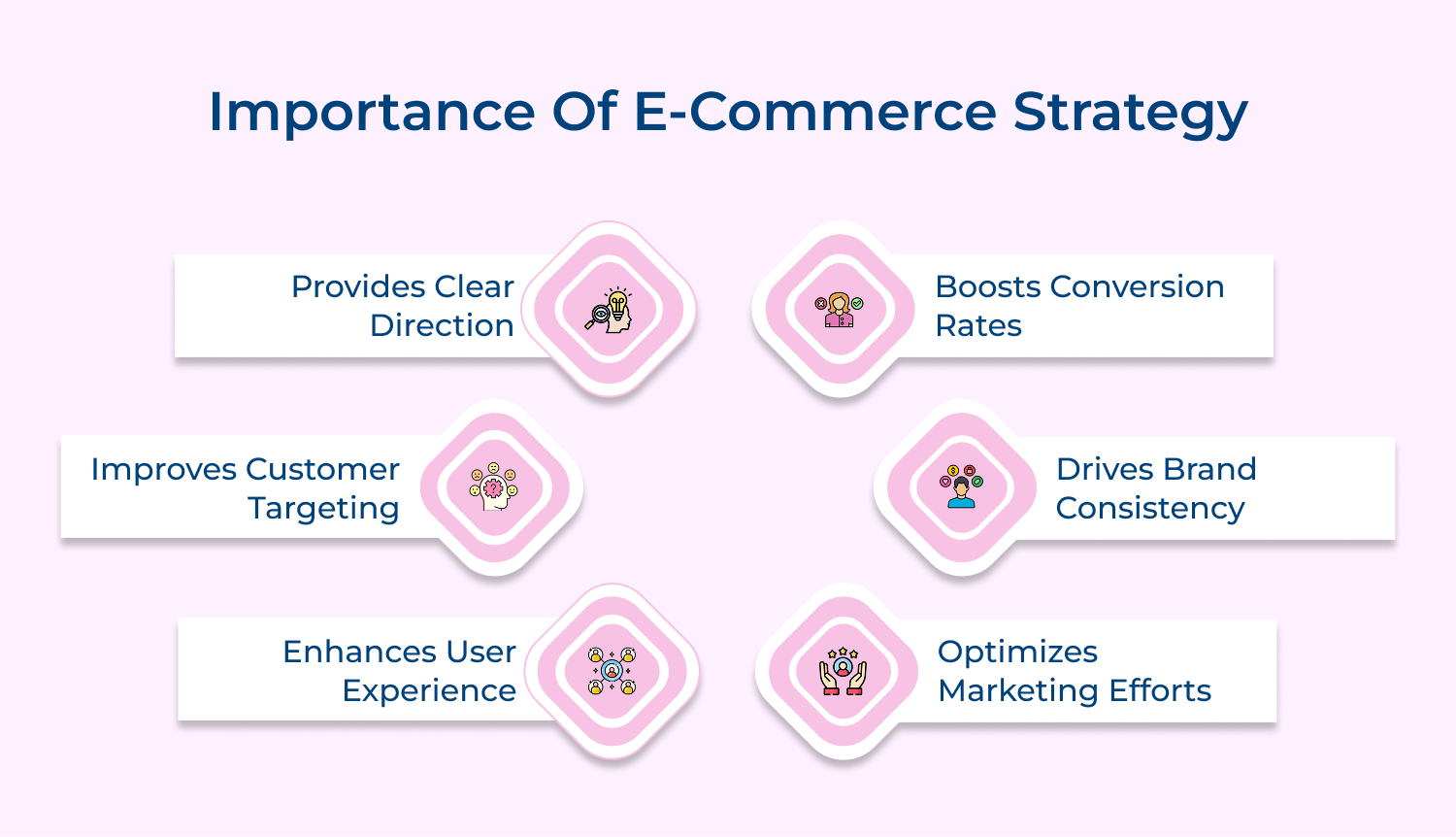
Provides Clear Direction
An e-commerce strategy acts as a roadmap, guiding businesses toward achieving their goals. It helps ensure all teams work towards a unified objective, allowing for focused efforts on the key areas that drive success.
Improves Customer Targeting
Understanding customer demographics, behaviors, and preferences allows businesses to tailor marketing campaigns as well as product offerings. Targeted strategies lead to improved customer engagement and a more personalized experience for the audience.
Enhances User Experience
Focusing on the customer journey ensures a seamless shopping experience. Optimizing website navigation, streamlining checkout, and ensuring mobile responsiveness contribute to higher satisfaction levels, which ultimately leads to greater customer loyalty.
Boosts Conversion Rates
Identifying and eliminating friction points within the shopping experience improves the overall conversion rate. Optimizing product pages, simplifying checkout, and adding persuasive calls-to-action make it easier for customers to complete their purchases.
Drives Brand Consistency
Consistency in messaging, design, and customer interactions builds trust with the audience. A strong strategy ensures that every aspect of the brand aligns, establishing a recognizable identity and building deeper customer relationships.
Optimizes Marketing Efforts
A clear ecommerce strategy helps identify the most effective digital marketing channels. Allocating resources towards the best-performing channels, whether it’s SEO, social media, or paid ads, ensures the marketing budget is spent efficiently for maximum ROI.
Building an effective ecommerce strategy takes more than just setting up an online store. Follow these tips to create a plan that attracts and retains customers while supporting your goals.
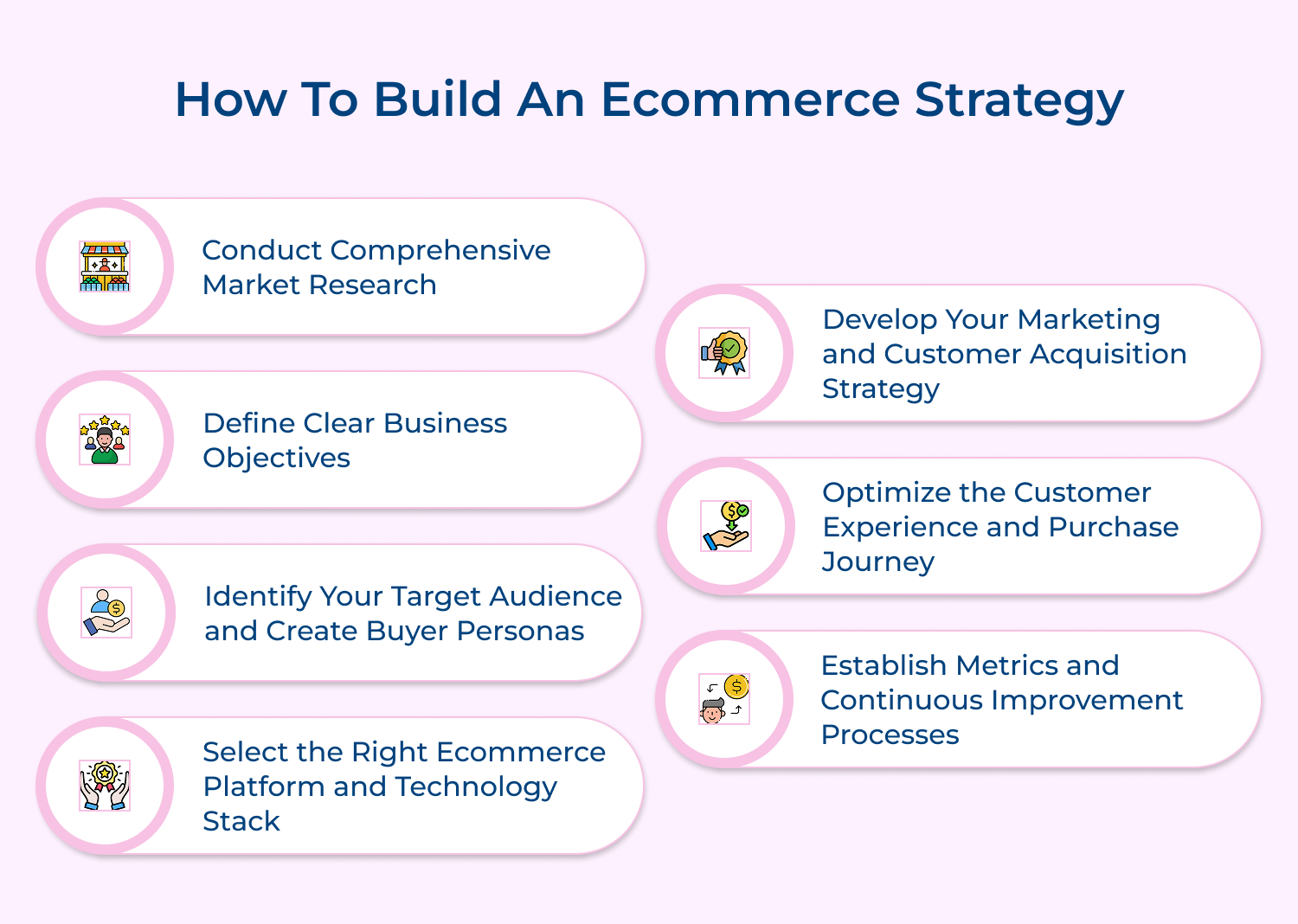
Effective eCommerce marketing strategies start with thorough market research. Don’t rely on guesswork. Use data to understand your industry, competitors and target customers.
Smart research helps ecommerce businesses minimize risk, spot new opportunities and make data-driven decisions that power ecommerce sales.
Set specific, measurable goals to guide your ecommerce efforts.
Clear objectives keep everyone moving in the same direction and make it easier to measure the ROI of your eCommerce marketing strategies.
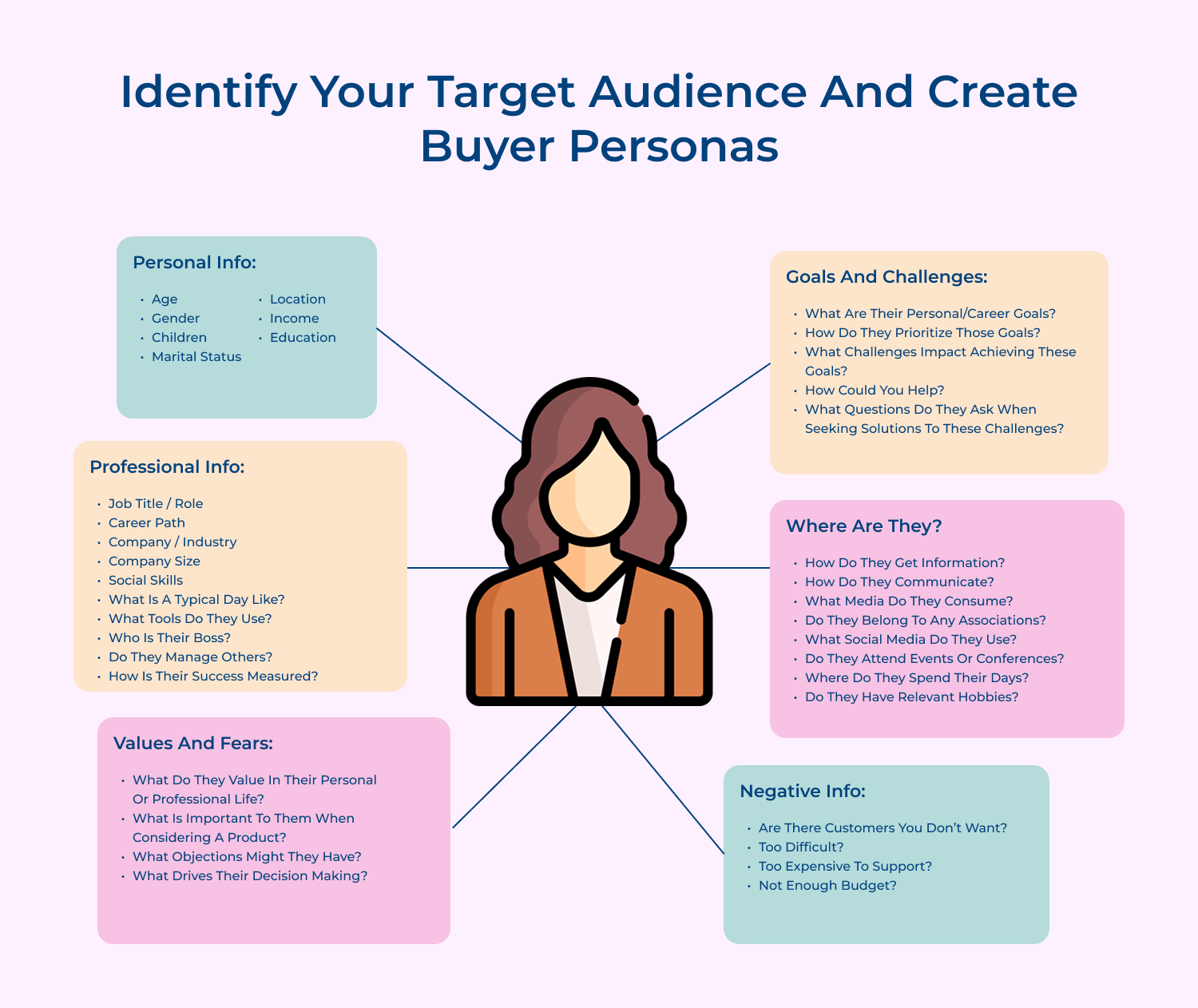
Knowing your audience is crucial for ecommerce sales.
Personalized experiences drive higher engagement and conversion rates for ecommerce businesses.
Your platform is the backbone of your ecommerce business.
The right technology supports seamless customer experiences and scalable ecommerce sales.
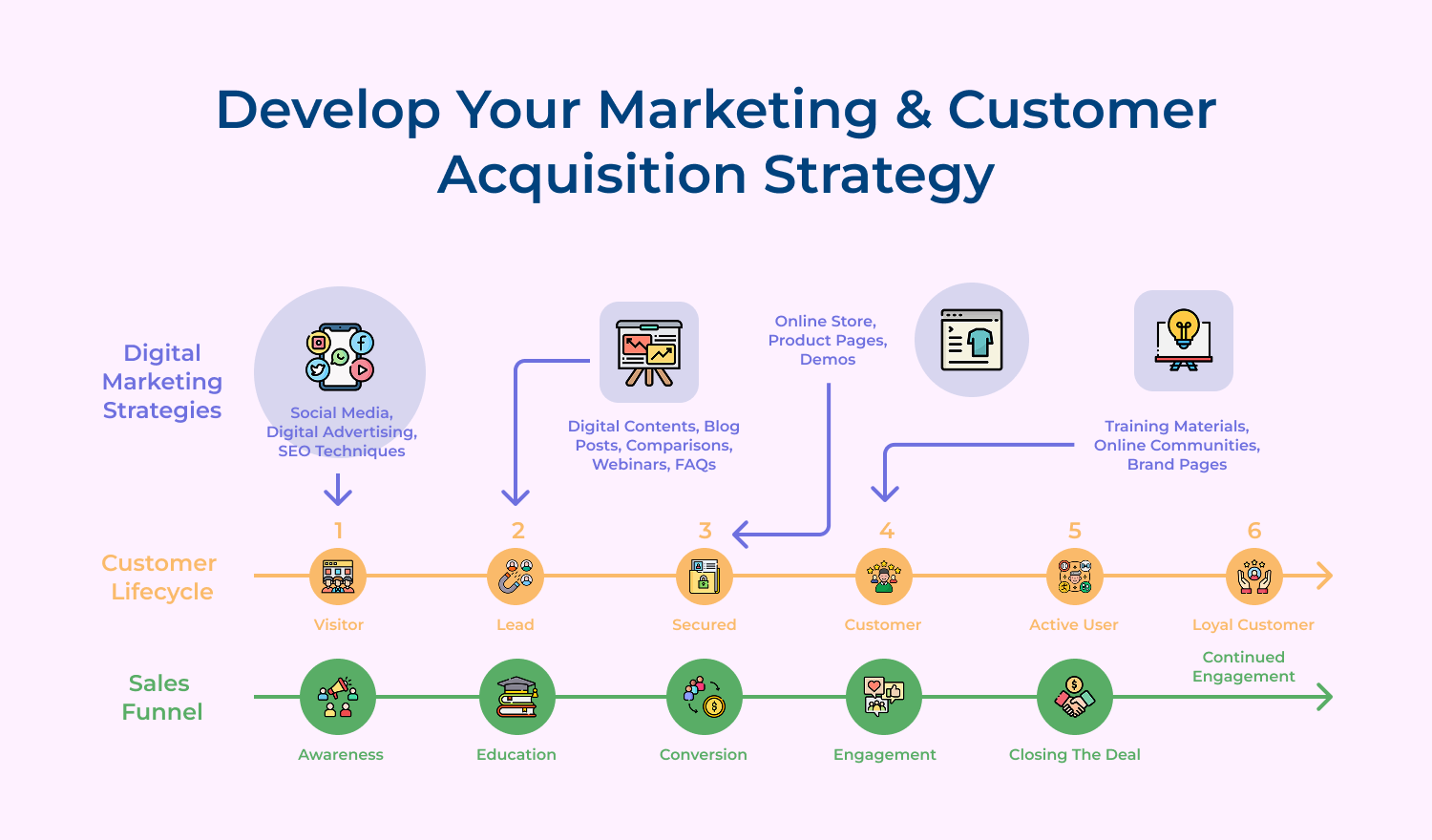
A solid marketing plan is key to driving ecommerce sales.
Integrated eCommerce marketing strategies ensure you attract, convert and retain the right customers.
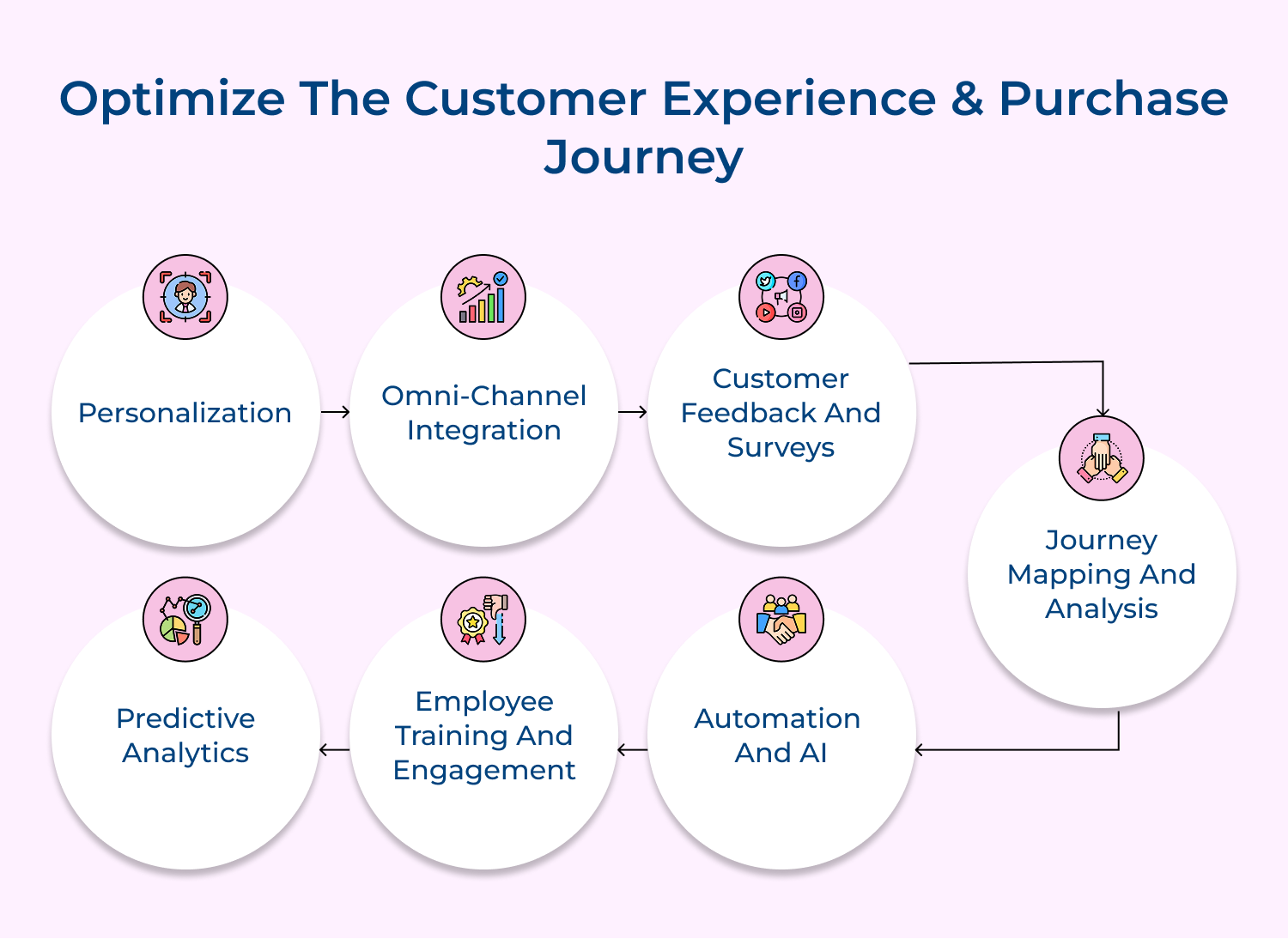
Customer experience sets successful ecommerce businesses apart.
A smooth, enjoyable experience boosts conversion rates and encourages repeat ecommerce sales.
Ecommerce is always evolving, so should your strategy.
Continuous improvement keeps your ecommerce business competitive and responsive to changing customer needs.
Boosting ecommerce sales demands the right strategies at every stage of the customer journey. Explore seven proven ecommerce tactics that maximize conversions & revenue for businesses.
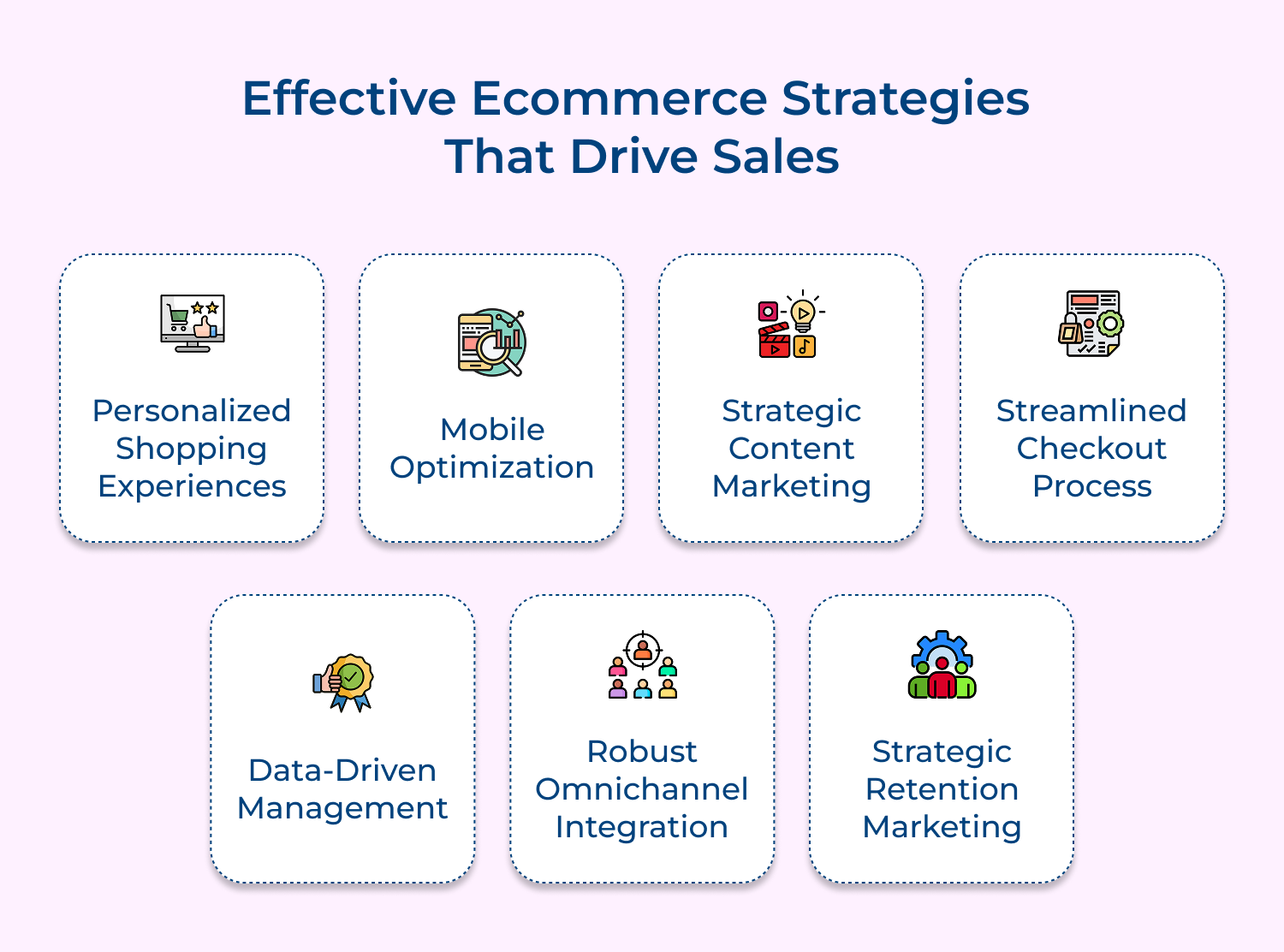
Personalization tailors the shopping journey to individual customers using their data, preferences, and behavior patterns to create unique experiences that increase relevance and engagement across all touchpoints.
Today’s consumers expect brands to understand their specific needs. Generic experiences create disconnect and reduce conversion potential. Personalization builds emotional connections, increases purchase confidence and distinguishes your brand in a crowded marketplace where 80% of shoppers prefer retailers who personalize.
Implement product recommendation engines that suggest items based on browsing history. Personalize email campaigns with dynamic content blocks. Create segmented landing pages for different customer profiles. Use behavioral triggers to send targeted offers at optimal moments. Customize search results based on previous interactions.
Actionable tips:
Mobile optimization ensures your ecommerce platform delivers seamless, intuitive shopping experiences on smartphones and tablets with appropriate sizing, navigation, functionality, and performance for smaller screens and touch interfaces.
72% of global ecommerce sales were made via mobile devices in 2023. Poor mobile experiences lead to immediate abandonment with 53% of visitors leaving sites that take longer than three seconds to load. Optimized mobile experiences capture sales that would otherwise be lost.
Implement responsive designs that automatically adjust to screen sizes. Create thumb-friendly navigation with larger buttons and simplified menus. Optimize images for faster loading. Minimize form fields for easier mobile completion. Integrate mobile payment options to reduce checkout friction.
Tips:
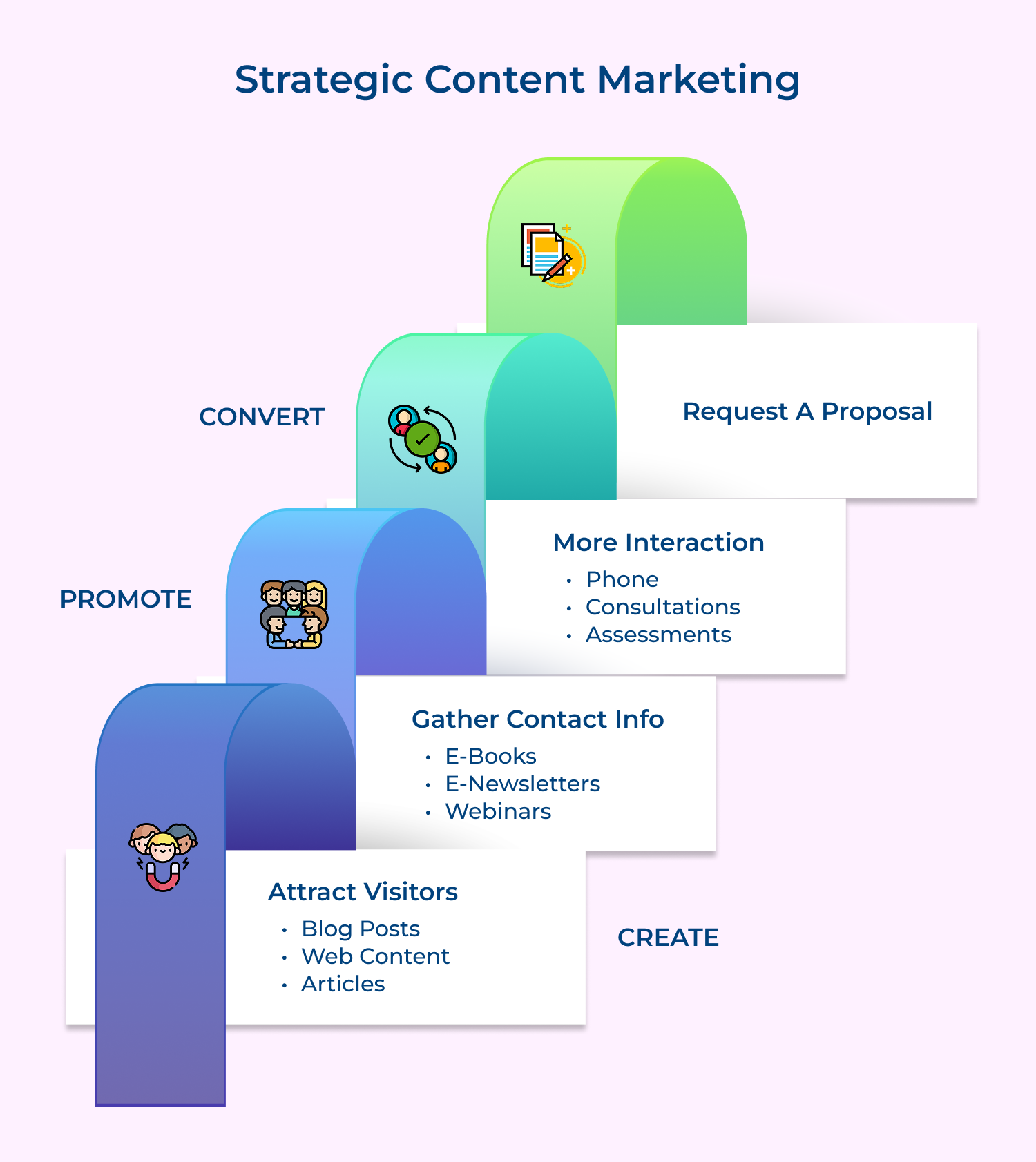
Content marketing for ecommerce creates and distributes valuable, relevant content that attracts and engages target audiences while subtly guiding them toward purchase decisions through education, inspiration, and problem-solving.
Consumers research extensively before buying with 81% conducting online research. Content builds brand authority, improves SEO rankings and nurtures prospects through the decision process. It answers questions, overcomes objections and provides the confidence needed to convert browsers to buyers.
Create buying guides that help customers choose between products. Develop how-to videos that demonstrate product usage. Publish comparison articles that position your offerings. Use user-generated content to showcase real-world applications. Distribute content across channels to capture prospects at various touchpoints.
Actionable tips:
A streamlined checkout minimizes friction in the final purchase stage by reducing steps, eliminating distractions, optimizing form fields and providing multiple payment options to convert shopping carts into completed orders.
Cart abandonment averages 76%, with complicated checkout processes causing 21% of abandonments. Each additional step reduces conversion probability by 10%. Every second of load time decreases conversions by 7%. A frictionless checkout process directly impacts revenue by preventing nearly-completed sales from being abandoned.
Implement a one-page checkout to consolidate steps. Enable guest checkout options to remove registration barriers. Add multiple payment methods including digital wallets. Use address verification to reduce errors. Create progress indicators to set expectations. Save cart information for later completion.
Actionable tips:
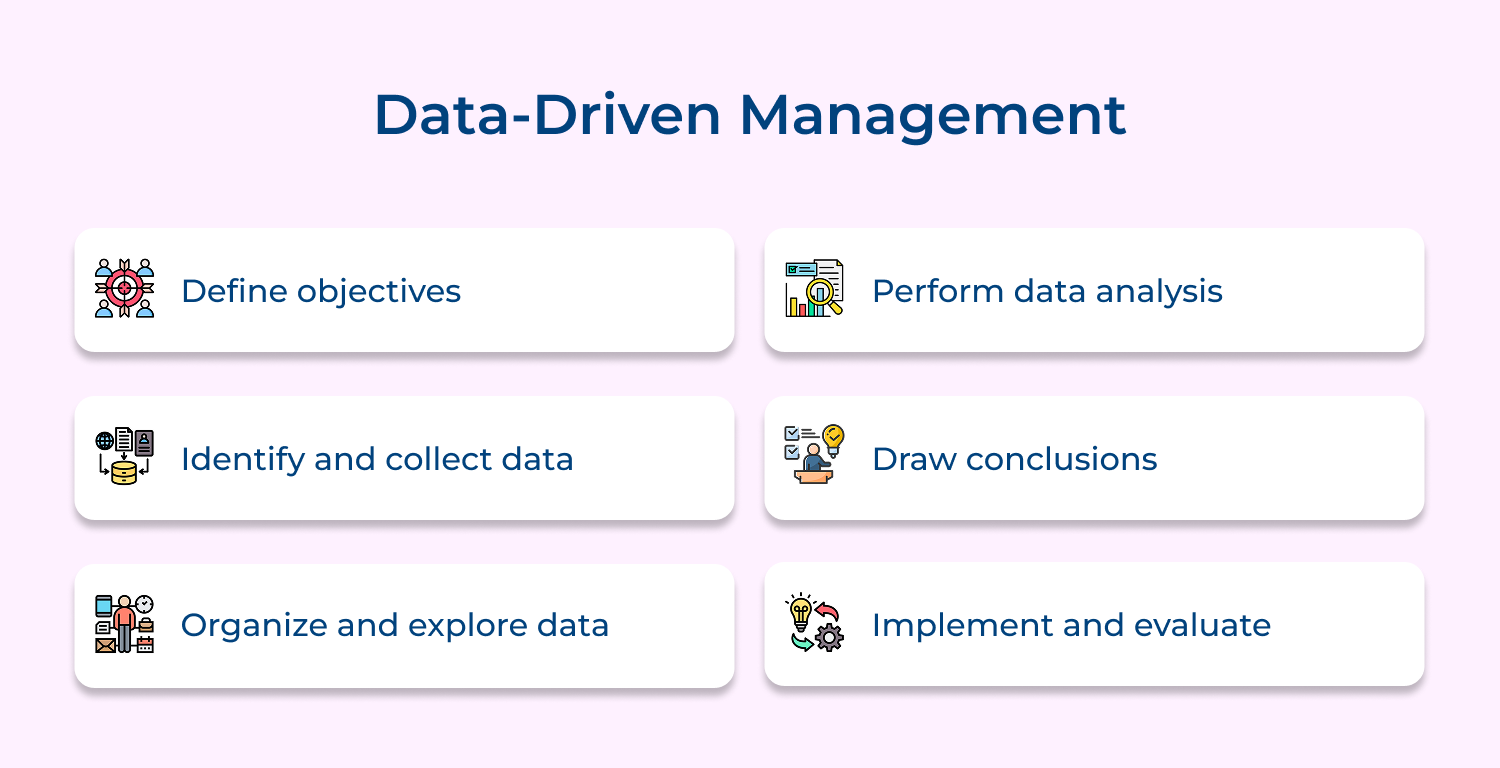
Data-driven management uses analytics and forecasting to optimize stock levels, ensuring popular products remain available while minimizing excess costs through automated monitoring, ordering and allocation systems.
Stockouts cost retailers $1 trillion annually while excess inventory ties up capital and increases carrying costs. Efficient inventory management prevents lost sales, improves cash flow and enhances customer satisfaction. It balances availability against warehousing costs while adapting to seasonal and market fluctuations.
Implement inventory management software that provides real-time visibility. Use historical data to forecast demand patterns. Set up automated reordering based on predetermined thresholds. Track performance metrics like turnover rate and carrying costs. Sync inventory across multiple sales channels.
Tips:
Omnichannel integration connects all sales and marketing channels into a unified system. It ensures consistent inventory, pricing, promotions and customer data across online stores, marketplaces, social platforms as well as physical locations.
Modern consumers use an average of six touch points when shopping, with 73% using multiple channels during their shopping journey. Disconnected channels create inconsistent experiences that erode trust and lose sales. Integrated approaches increase purchase frequency, average order value, and customer retention.
Centralized customer data across all platforms to maintain consistent profiles. Synchronize inventory to enable cross-channel fulfillment options. Implement unified marketing campaigns that work across channels. Create consistent pricing and promotion strategies. Enable features like buy online, pick up in-store.
Pro tips:
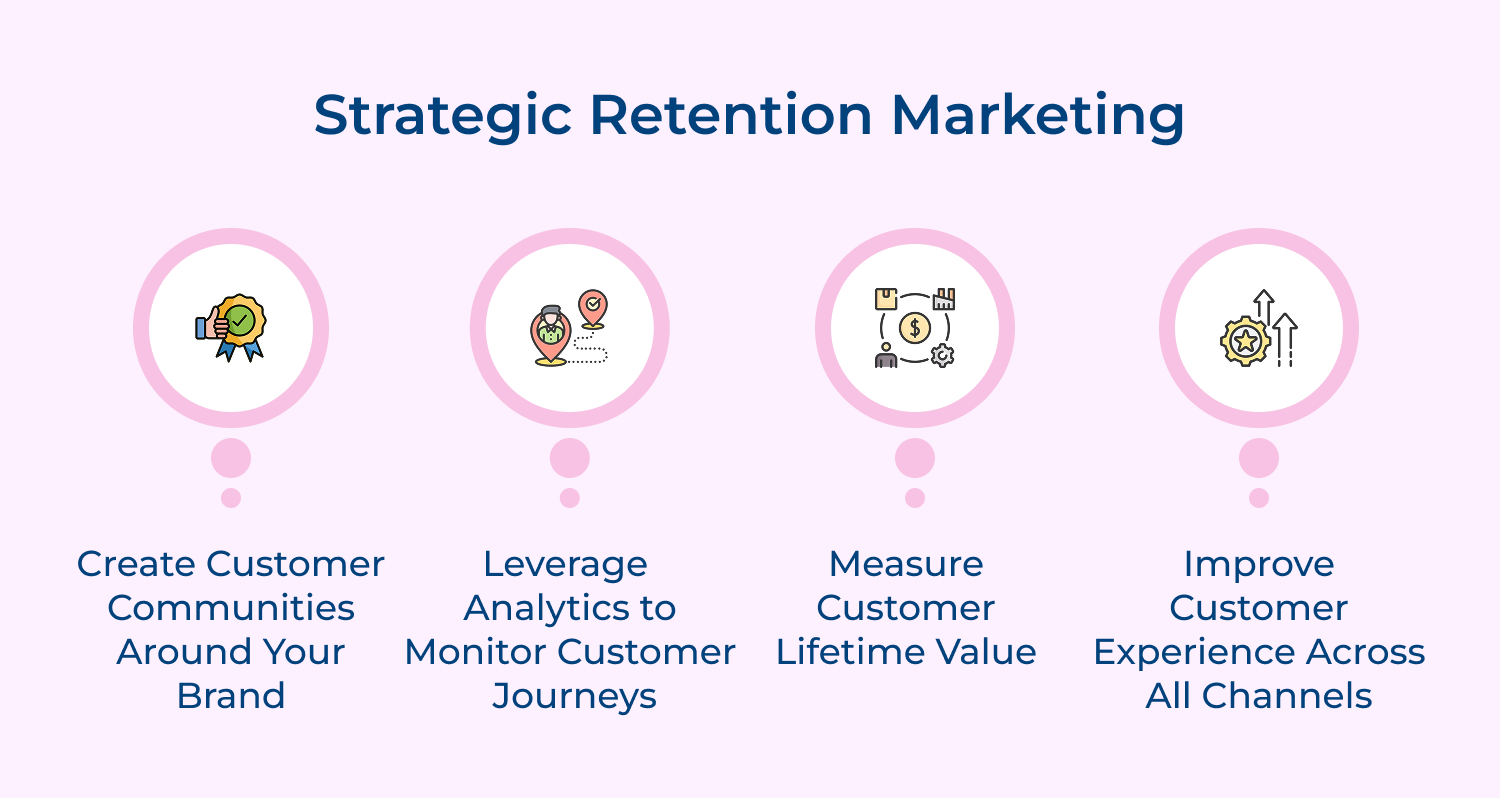
Retention marketing focuses on keeping existing customers engaged and purchasing regularly through targeted communication, loyalty incentives, personalized offers, outstanding service, and ongoing relationship building rather than solely pursuing new customers.
Acquiring new customers costs 5-7 times more than retaining existing ones. Existing customers spend 31% more than new ones and are 50% more likely to try new products. A 5% increase in customer retention typically increases profits by 25-95%, making retention essential for sustainable growth.
Develop tiered loyalty programs that reward repeat purchases. Create post-purchase email sequences that drive additional value. Implement subscription models for recurring revenue. Use customer feedback to improve experiences. Design exclusive offers and early access opportunities for existing customers.
Tips:
A well-developed ecommerce strategy is essential for sustained growth in a competitive digital marketplace. Focusing on customer experience, effective audience targeting and continuous optimization ensures a smooth as well as efficient shopping journey.
Embracing digital marketing, personalized offerings and data-driven insights strengthens a business’s position while building customer loyalty. Regular performance evaluations and adjustments keep the strategy adaptable, ensuring ongoing success in a constantly evolving market.

What metrics should I track for my ecommerce business?
Focus on conversion rate, average order value, customer acquisition cost, customer lifetime value, shopping cart abandonment rate and return on ad spend. Also monitor traffic sources, bounce rates, and product page performance. These metrics together provide a holistic view of your store’s health as well as growth opportunities.
How can I reduce shopping cart abandonment?
Streamline checkout processes by minimizing form fields and offering guest checkout. Display security badges prominently. Provide multiple payment options and transparent shipping costs upfront. Implement exit-intent popups with incentives and send abandoned cart emails. Consider offering free shipping thresholds to encourage completion.
What role does content marketing play in ecommerce?
Content marketing builds brand authority, drives organic traffic and supports customer decision-making. High-quality product descriptions, buying guides, comparison articles and how-to content address customer questions at different funnel stages. This reduces purchase anxiety while improving SEO positioning and creating meaningful touch points throughout the buyer journey.
How do I build customer loyalty in ecommerce?
Implement personalized post-purchase communication and loyalty programs with meaningful rewards. Ensure seamless customer service across channels. Create exceptional unboxing experiences with thoughtful packaging. Collect and act on customer feedback. Develop an email strategy that delivers value, not just promotions, maintaining engagement between purchases.
How can I improve my ecommerce conversion rate?
Enhance product photography and descriptions. Implement social proof through reviews and testimonials. Optimize site speed as well as navigation. Use A/B testing on key pages. Create urgency with limited-time offers. Simplify checkout flows and offer multiple payment options. Consider AI-powered personalization to show relevant products to visitors.
 https://omni24.io/wp-content/uploads/2026/08/AI-Customer-Service-Agents.png
1256
2400
Webvision Solution
https://omni24.io/wp-content/uploads/2023/04/Omni-Logo-1.svg
Webvision Solution2026-09-21 04:48:512026-09-21 04:48:51How to Build an AI Customer Service Agents: 8 Key Steps
https://omni24.io/wp-content/uploads/2026/08/AI-Customer-Service-Agents.png
1256
2400
Webvision Solution
https://omni24.io/wp-content/uploads/2023/04/Omni-Logo-1.svg
Webvision Solution2026-09-21 04:48:512026-09-21 04:48:51How to Build an AI Customer Service Agents: 8 Key Steps https://omni24.io/wp-content/uploads/2026/08/Omnichannel-Conversational-AI.png
1256
2400
Tushar Joshi
https://omni24.io/wp-content/uploads/2023/04/Omni-Logo-1.svg
Tushar Joshi2026-09-16 03:51:072026-09-16 03:51:07How to Build Omnichannel Conversational AI Strategy
https://omni24.io/wp-content/uploads/2026/08/Omnichannel-Conversational-AI.png
1256
2400
Tushar Joshi
https://omni24.io/wp-content/uploads/2023/04/Omni-Logo-1.svg
Tushar Joshi2026-09-16 03:51:072026-09-16 03:51:07How to Build Omnichannel Conversational AI Strategy https://omni24.io/wp-content/uploads/2026/08/Customer-Service-Teams.png
1256
2400
Tushar Joshi
https://omni24.io/wp-content/uploads/2023/04/Omni-Logo-1.svg
Tushar Joshi2026-09-15 04:01:522026-09-15 04:02:16How to Build Customer Service Teams: 6 Key Steps
https://omni24.io/wp-content/uploads/2026/08/Customer-Service-Teams.png
1256
2400
Tushar Joshi
https://omni24.io/wp-content/uploads/2023/04/Omni-Logo-1.svg
Tushar Joshi2026-09-15 04:01:522026-09-15 04:02:16How to Build Customer Service Teams: 6 Key Steps
Whether it’s about acquire, engage or support – Omni24 covers all your customer engagement needs in one complete platform.

Copyright ©2026 Veemo All rights reserved.
CA, Los Angeles, Hall Ave, 19011