How to Do Lead Generation for Small Businesses: 10 Best Ways
Explore top lead generation strategies for small businesses. Attract and convert quality leads to drive consistent as well as long-term growth.
Explore top lead generation strategies for small businesses. Attract and convert quality leads to drive consistent as well as long-term growth.
Many small businesses struggle to attract and convert quality leads, leading to stagnant growth as well as missed opportunities.
Without a steady stream of leads, your business faces the risk of falling behind competitors and failing to reach its full potential.
Effective lead-generation strategies can help you connect with your ideal customers, increase sales and build lasting relationships. In this blog, we’ll explore actionable lead-generation tactics that will boost your small business’s growth.
Lead generation for small businesses is the strategic process of attracting and converting potential customers (leads) who have shown interest in your products or services. It involves capturing contact information from prospects through various marketing channels and nurturing these relationships until they’re ready to make a purchase.
For small businesses with limited resources, effective lead generation focuses on quality over quantity, targeting the most promising prospects rather than casting too wide a net. Proper lead generation allows small businesses to compete with larger competitors. It transforms marketing from a cost center to a measurable investment with clear return metrics.
Key objectives :
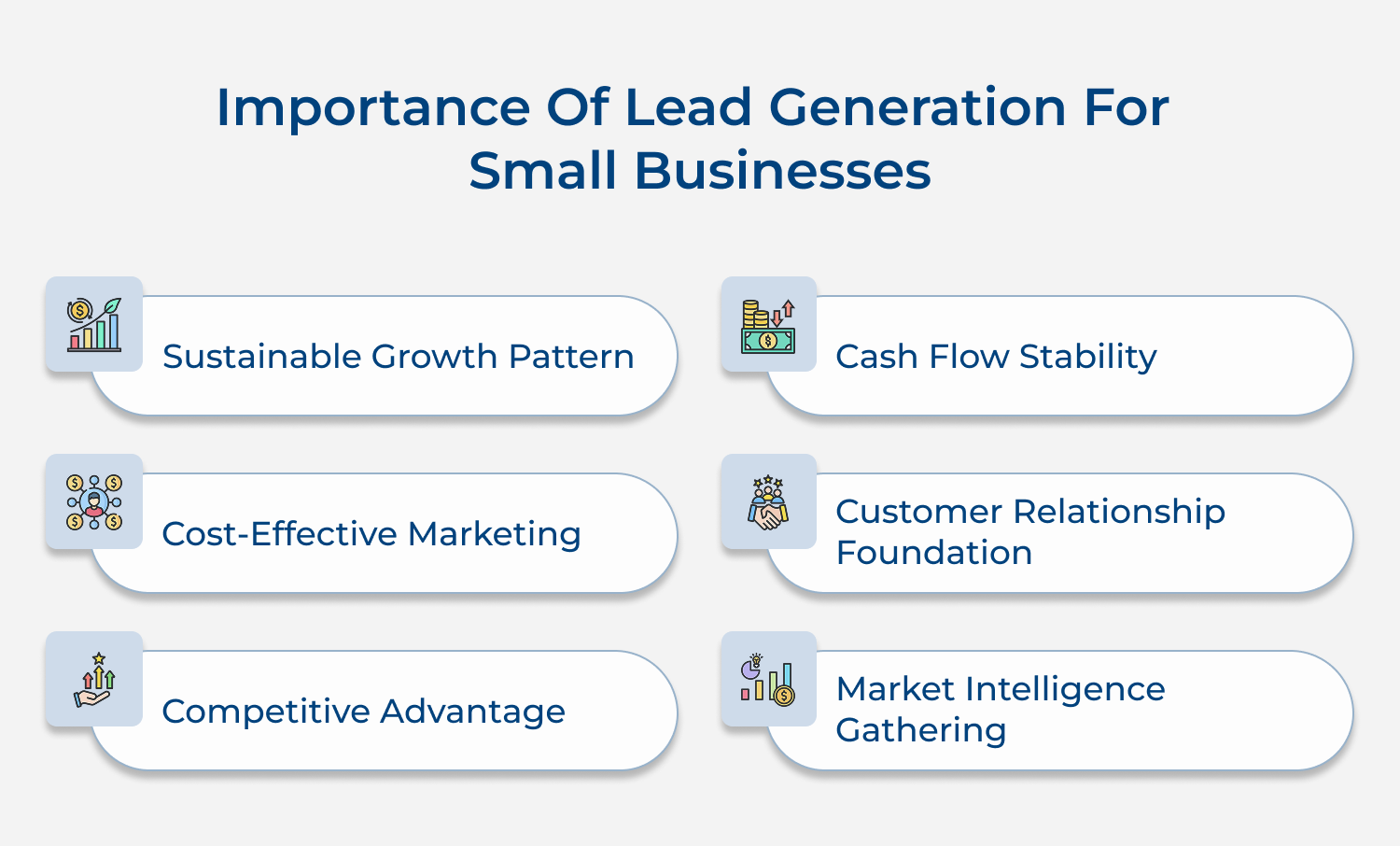
Lead generation is a vital part of the sales process for small businesses. It helps attract potential customers and drive consistent revenue growth. Here are the reasons why it matters.
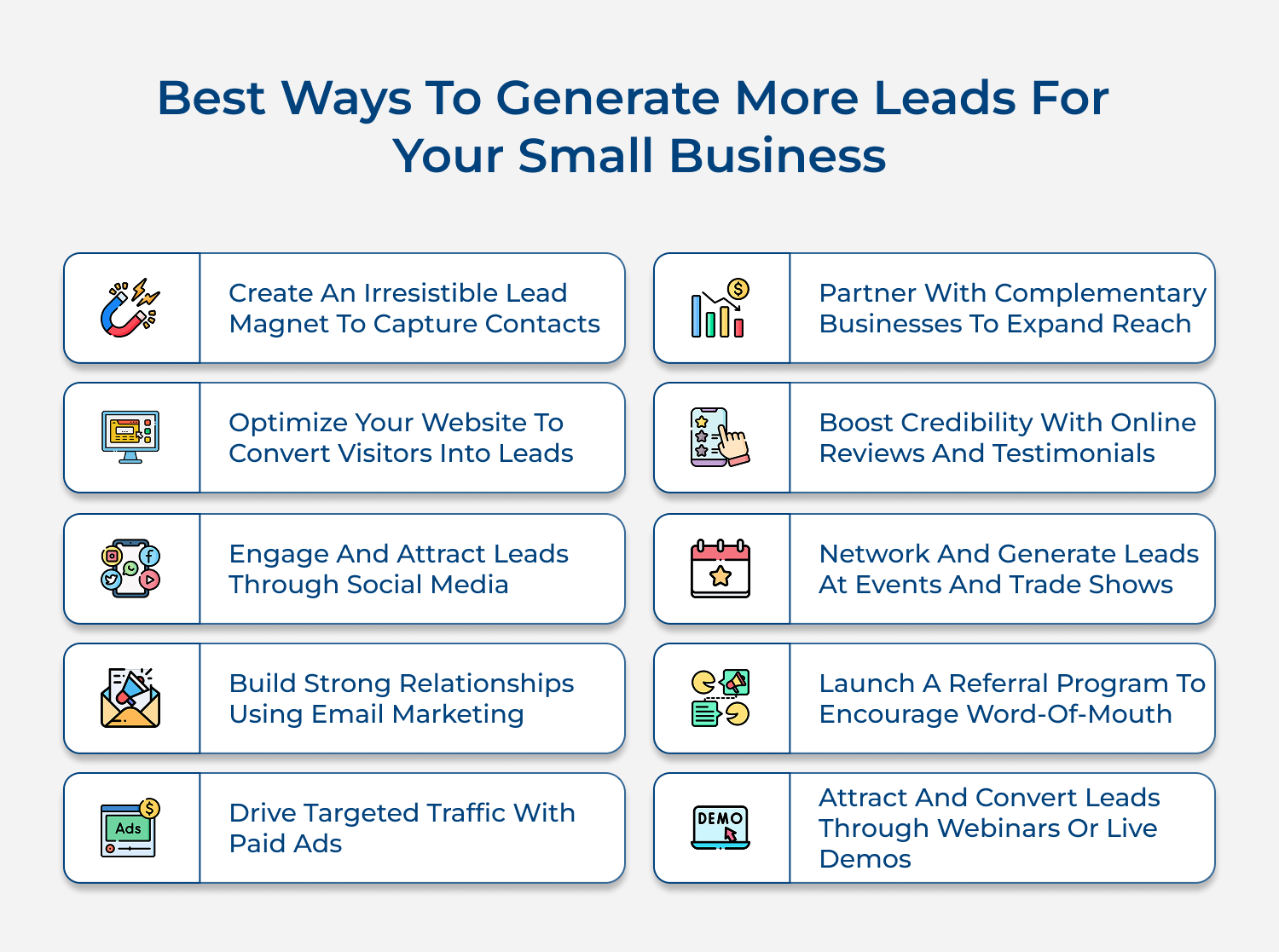
Generating quality leads is key to fueling your small business growth. Here are 10 effective ways to strengthen your sales pipeline.
A lead magnet is a valuable resource offered to potential customers in exchange for their contact information. Examples include an ebook, checklist, or free trial. It should solve a specific problem or address a key need for your target audience.
Lead magnets help establish trust with prospects by offering them something valuable in exchange for their contact details. This approach encourages potential leads to engage with your business and enables you to nurture relationships through follow-up marketing, increasing the chance of conversion.
Focus on creating a lead magnet that speaks directly to your audience’s pain points. Once created, promote it across your website, social media and email campaigns to maximize exposure as well as drive lead capture.
Pro tips:
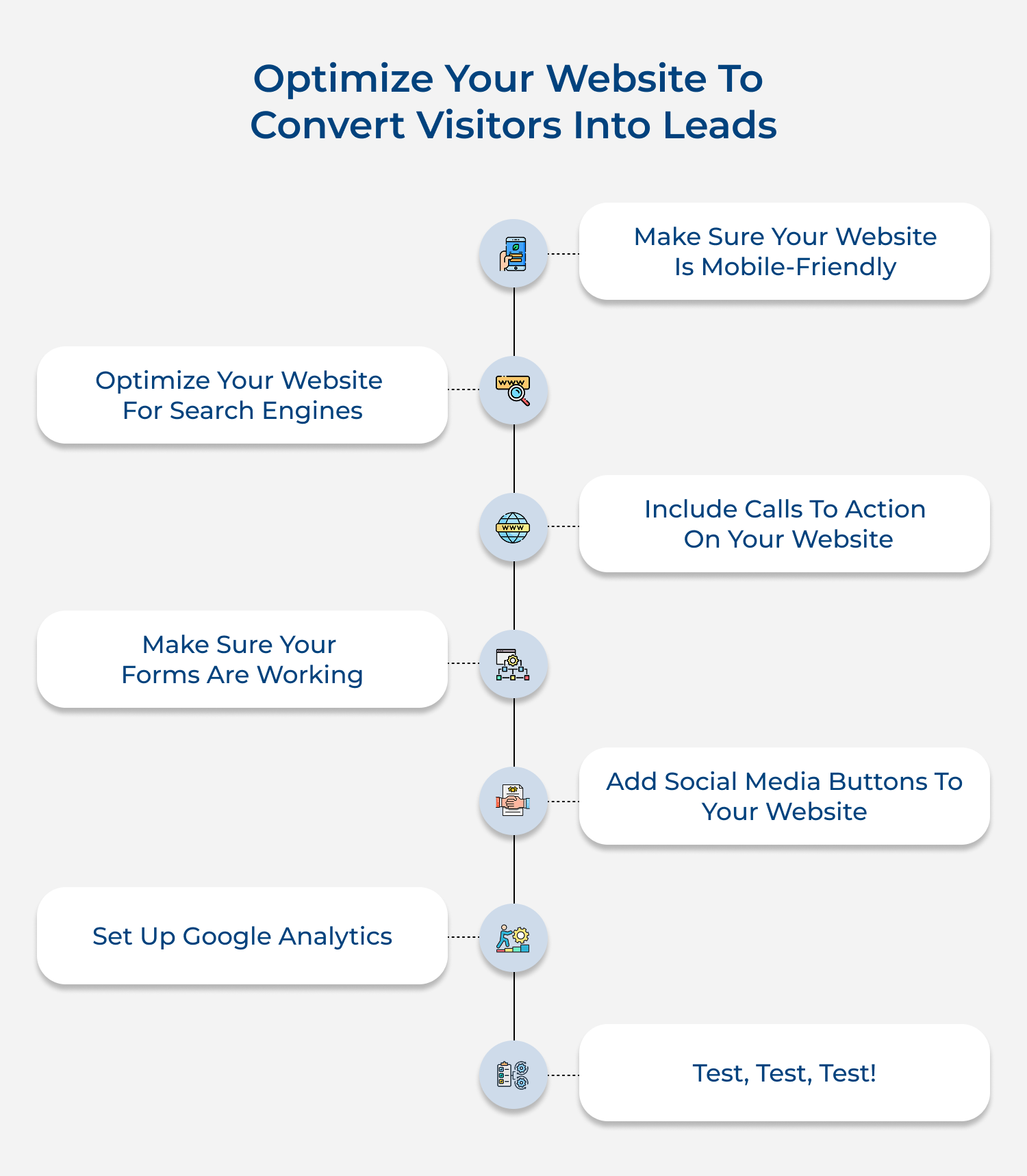
Website optimization means making your site better so visitors turn into leads. It includes using clear design, helpful content and easy navigation.
Add lead capture forms in visible spots to collect visitor details. Use clear calls to action to guide users to take the next step.
Create landing pages focused on specific offers or promotions. This makes it easier for visitors to sign up, subscribe, or get in touch.
Actionable tips:
Social media marketing uses platforms like Facebook, Instagram, LinkedIn and Twitter to connect with people while attracting leads. It includes posting regularly, responding to followers and running ads.
It helps build brand awareness and lets you talk directly to potential customers. Share helpful content, reply to comments and messages while running ads to promote your offers.
Use targeted ads to reach the right audience. Retarget users who’ve already shown interest to boost your chances of getting leads.
Tips:
Email marketing involves sending personalized emails to build relationships and nurture leads. It keeps your business top-of-mind through regular, helpful communication.
By segmenting your email list, you can send targeted messages that match each person’s interests. Use automated campaigns to share updates, offers and useful content consistently.
Tips:
Paid ads are placed on platforms like Google, Facebook, or Instagram to reach a specific audience and drive traffic to landing pages. They help you generate leads quickly by targeting people actively looking for your products or services.
Use keyword-based ads on Google or interest-based ads on social media to attract the right prospects. Track performance and adjust your targeting to improve results over time.
Tips:
Partnering with complementary businesses means teaming up alongside brands that share your audience but offer different services. It’s a smart way to reach more people without extra marketing spend.
Look for businesses that align alongside yours like a fitness center working with a nutritionist. Run joint promotions, share content, or co-host events to attract new leads from each other’s customer base.
Pro tips:
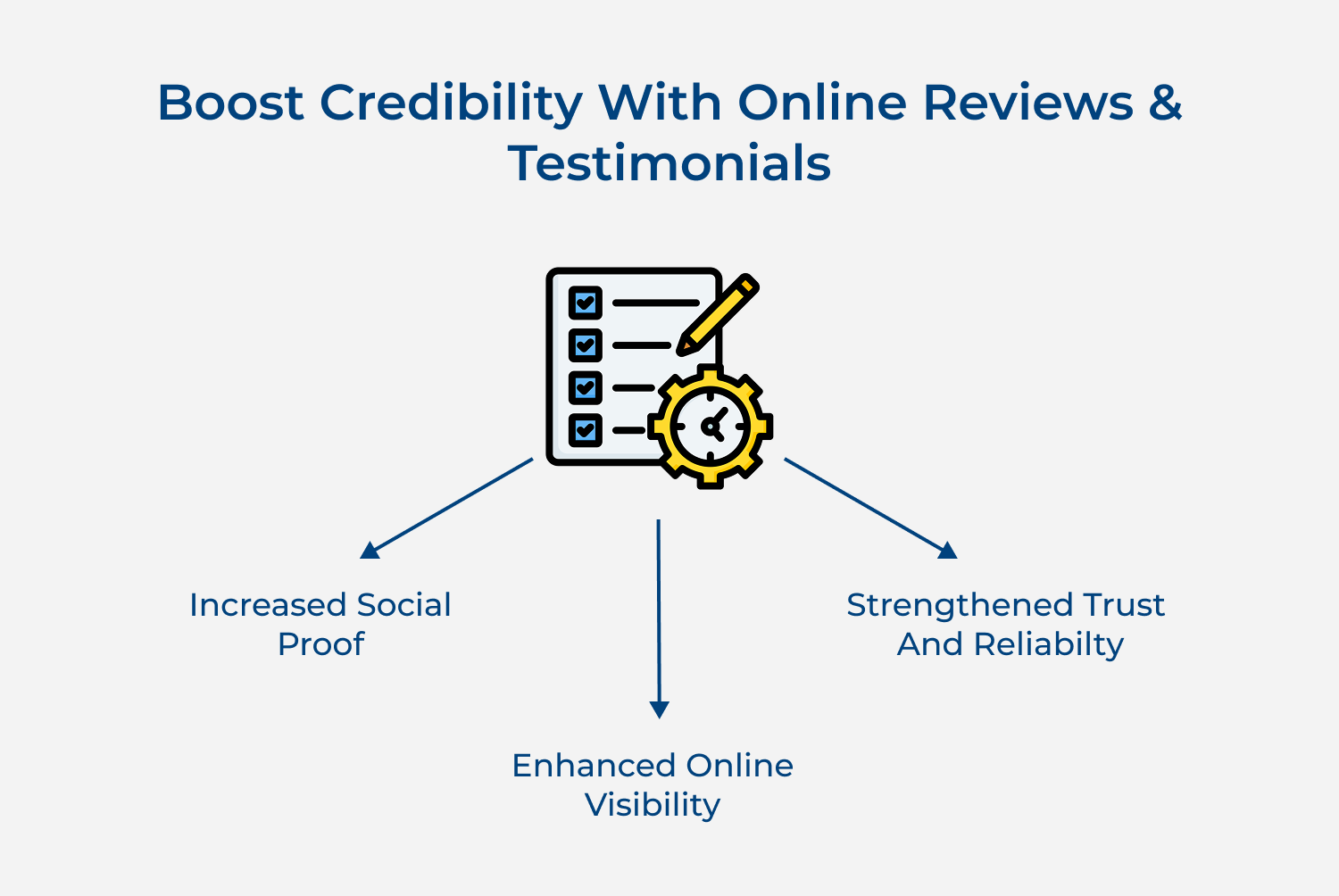
Online reviews and testimonials show real feedback from happy customers. They can be shared on platforms like Google, Yelp, or your website to build trust.
Ask satisfied customers to leave reviews and highlight their testimonials in your marketing. Use this social proof to boost credibility and attract more leads.
Pro tips:
Networking at events as well as trade shows lets you meet potential customers, partners and influencers in person. These face-to-face interactions help build trust and generate high-quality leads.
Join industry-specific events, set up a booth, or speak at sessions to showcase your business. Collect contact details and follow up quickly to turn conversations into leads.
Pro tips:
A referral program rewards customers for recommending your business to others, using incentives like discounts or free products. It helps you gain high-quality leads through trusted word-of-mouth.
Set up a simple program with appealing rewards and easy-to-share referral links or codes. This encourages loyal customers to spread the word and bring in new leads.
Tips:
Webinars and live demos let you connect with potential leads through interactive sessions that showcase your products while also answering questions in real time. They help build trust and demonstrate value directly.
Promote these sessions via email and social media. Make sure the content is helpful and follow up afterward to keep the conversation going as well as convert leads.
Tips:
Read more: Discover how customer service software for government & public sector can inspire smarter lead generation strategies for small businesses.
The right tools help sales reps turn cold leads into warm prospects more efficiently. Here are five top lead generation tools for small businesses.
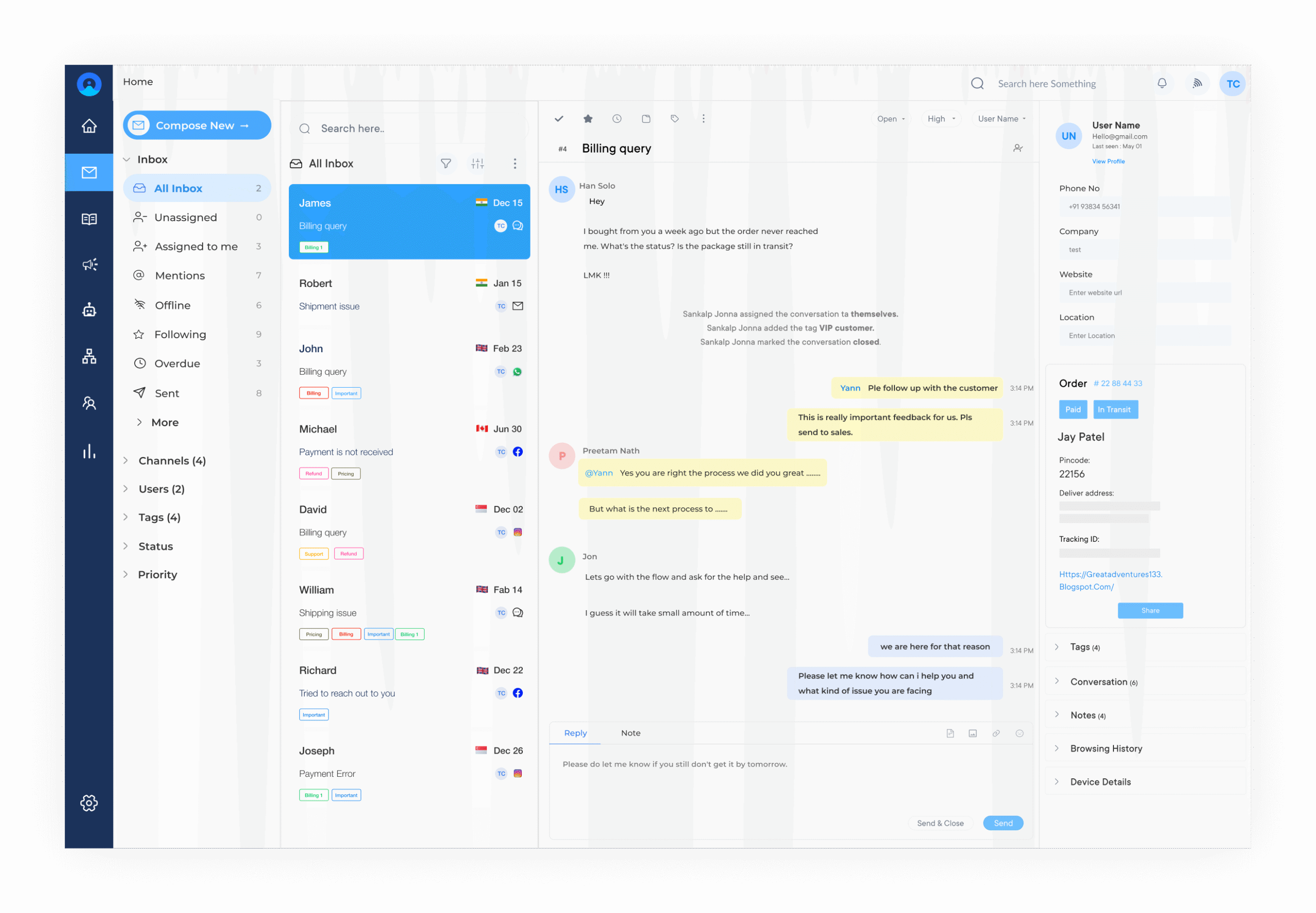
Omni24 is a customer experience platform that helps small businesses generate as well as manage leads across multiple channels like live chat, email, SMS and social media – all from one dashboard. Its AI chatbots work 24/7 to engage visitors, qualify leads and route them to sales reps, even outside business hours. The platform also provides detailed visitor analytics and integrates alongside popular CRMs, so your team can follow up with cold leads effectively.
Key Features:
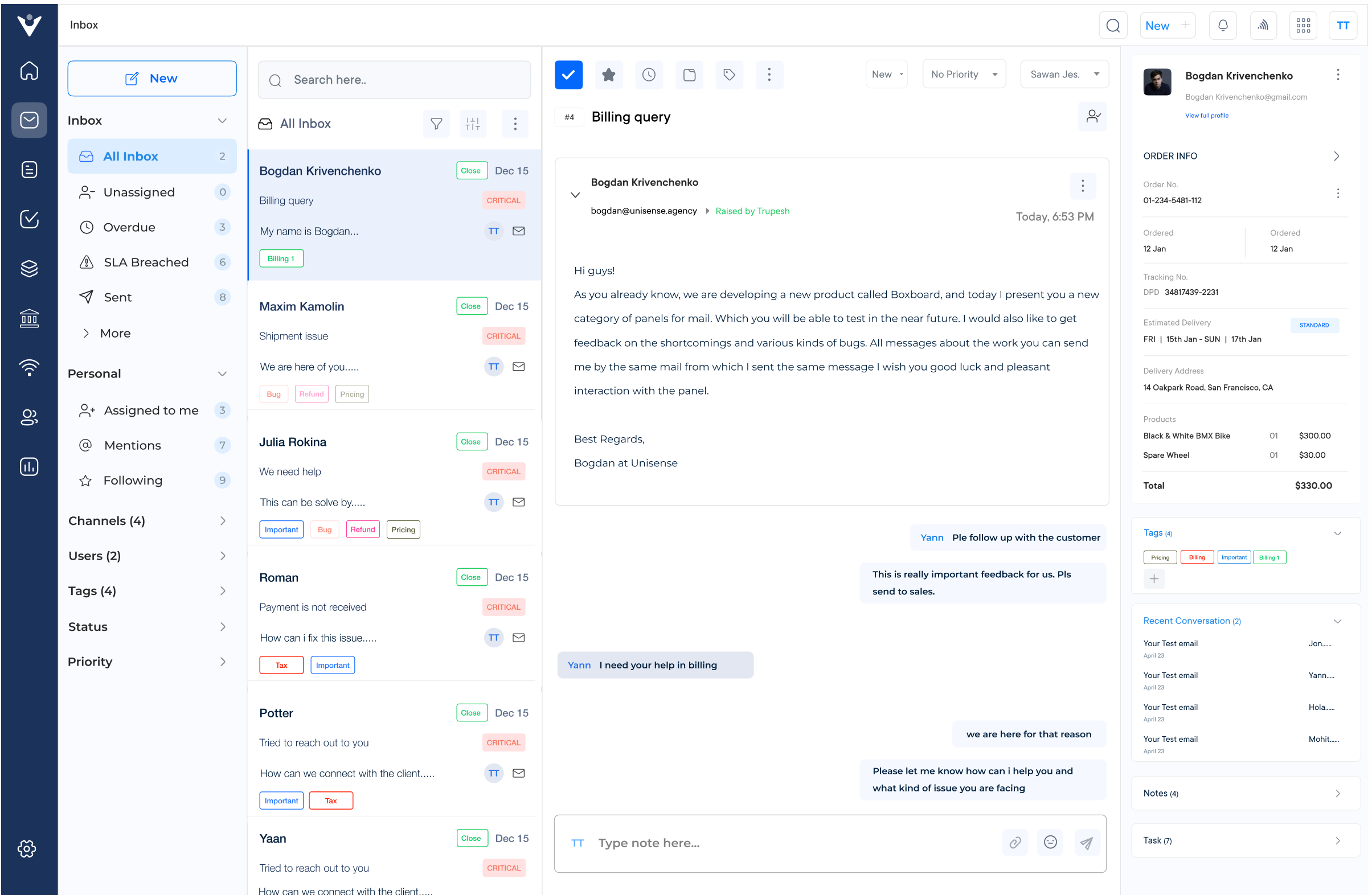
Veemo is an AI-powered customer engagement platform designed to boost support, sales and lead generation for small businesses. It combines tools like live chat, ticketing, AI bots and multi-channel communication into one system. With advanced automation, real-time analytics and CRM sync, Veemo helps sales reps turn cold leads into warm opportunities faster as well as more efficiently.
Key Features:
Mailchimp is a complete lead generation platform that’s easy to use, making it ideal for small businesses with limited technical resources. You can create landing pages, signup forms and email campaigns without needing expert help. It also helps you target and nurture leads through automation as well as smart insights.
Key Features:
Mailchimp’s Customer Journey Builder automates emails based on user actions, helping nurture leads easily. Audience segmentation enables personalized messaging. The AI-powered Creative Assistant creates branded content quickly. Its analytics dashboard tracks performance and offers improvement tips.
Leadpages is built to help small businesses create high-converting landing pages and lead capture forms with ease. With over 200 industry-specific templates, it’s designed to boost conversions without needing deep marketing expertise. Leadpages integrate smoothly with major CRMs and email tools, ensuring seamless lead management as well as follow-up.
Key Features:
Leadpages’ drag-and-drop editor lets you build professional landing pages quickly, without coding. Its real-time conversion guidance offers tips to improve your page performance based on proven industry benchmarks. The Lead Magnets feature automates delivery of downloadable resources while capturing lead info.
Intercom is a conversational lead generation platform that helps businesses engage website visitors in real time with a personal touch. Using live chat, chatbots and targeted messages, it connects with prospects when they’re most interested. Intercom also filters and qualifies leads based on behavior or firmographics, ensuring sales teams focus on high-value opportunities.
Key Features:
Intercom’s Custom Bots guide conversations and qualify leads based on user responses, reducing manual work for sales reps. The Product Tours feature lets you walk visitors through key features of your product, capturing interest as they explore. Its outbound messaging campaigns re-engage visitors who didn’t convert, using personalized follow-ups to bring them back at the right time.
Unbounce helps small businesses generate more leads through AI-powered landing pages built for conversion. Its Smart Builder suggests layouts tailored to your industry and goals, while mobile responsiveness ensures forms work seamlessly on all devices.
Key Features:
Unbounce’s Smart Traffic feature automatically directs visitors to the landing page variant most likely to convert, based on their behavior and attributes. Dynamic text replacement personalizes landing page content to match search keywords, making PPC campaigns more effective. Its conversion intelligence tool offers data-driven suggestions to improve underperforming pages, using insights from millions of conversions.
Read more: Explore more powerful small business tools to take your lead generation efforts to the next level.
Businesses that excel at lead nurturing generate 50% more sales-ready leads at a 33% lower cost than those that don’t implement them. Here’s a practical example of how it works.
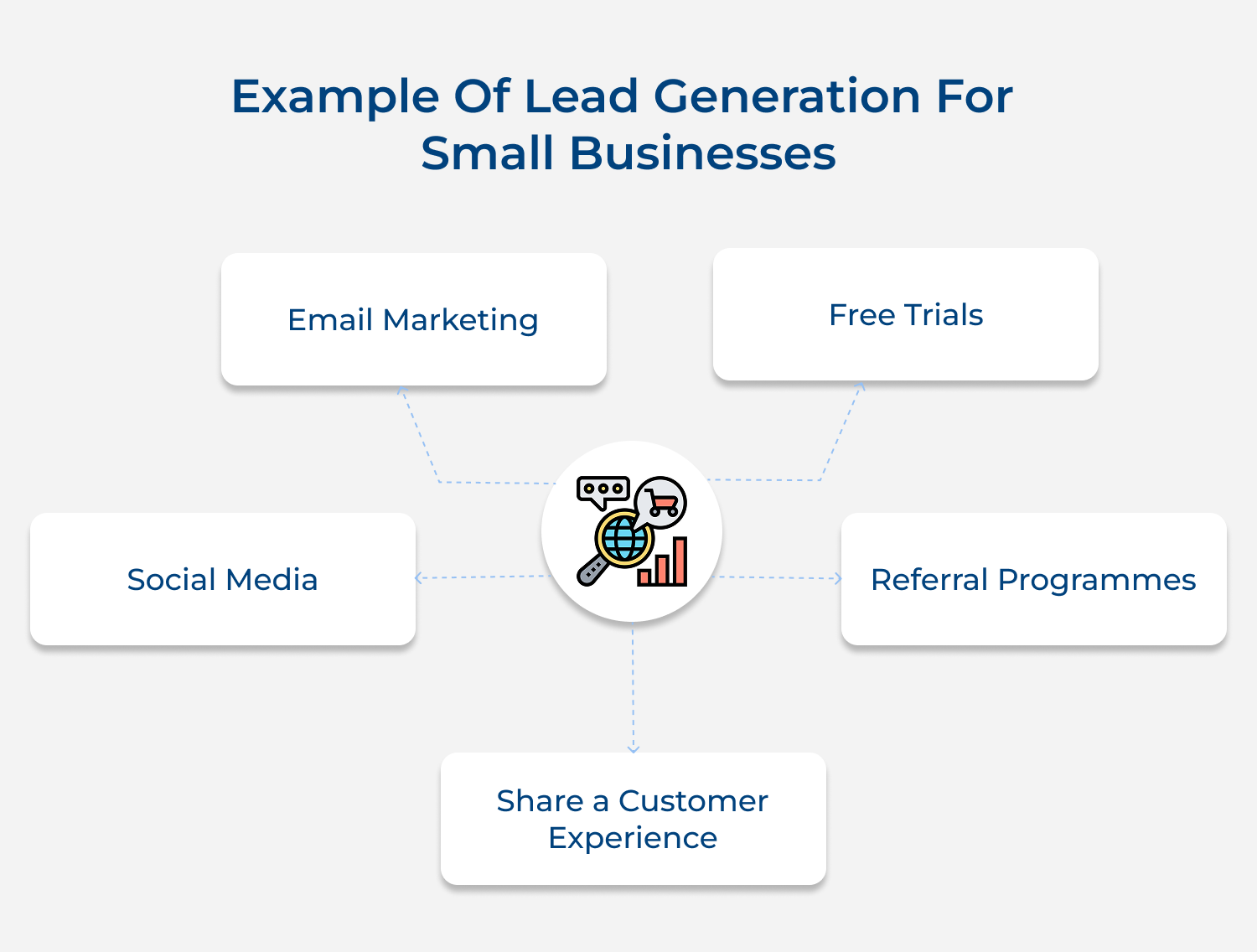
Email Marketing
Email marketing involves systematically collecting email addresses from potential customers and sending them valuable content on a regular basis. You might offer a helpful guide or newsletter signup to capture their contact information then carefully nurture them with useful tips and relevant product updates over time.
In 2024, email marketing remained the top lead gen channel for 89% of marketers, delivering an average ROI of $36–$44 per $1 spent. Here’s why email marketing delivers consistent results:
You start by attracting people with something valuable then tend to that relationship until it grows into a sale. The key is providing genuine value rather than just pushing sales messages.
Free Trials
Free trials let potential customers test your product or service without paying anything upfront or taking financial risk. Software companies often offer 14-day trials while service businesses might provide free consultations or sample sessions to demonstrate their value firsthand to skeptical prospects.
Free trials work because:
Social Media
Social media lead generation means using platforms like Facebook and Instagram to attract as well as engage potential customers authentically. You leverage content marketing to engage meaningfully with your audience. It strategically promotes your business through valuable posts along with carefully targeted advertising campaigns.
The beauty of social media is that it allows for two-way conversations. Unlike traditional advertising where you broadcast to everyone you can actually interact with ideal prospects and build relationships before asking for their business.
Referral Programs
Referral programs reward your existing satisfied customers for bringing in new business through their personal networks. You might offer discounts or cash bonuses when current customers successfully refer friends or family members who complete a purchase or sign up for services.
Referrals generate high-quality leads because of established trust:
Share a Customer Experience
Sharing authentic customer experiences means showcasing real stories and detailed testimonials from satisfied clients across your marketing channels. You might feature comprehensive case studies on your website or share success stories on social media to show potential customers exactly what results they can realistically expect.
This approach works because people naturally look for social proof before making decisions. They want to see evidence that others like them have succeeded with your product or service before taking their own risk.
Customer stories influence buying decisions with remarkable power:
Lead generation serves as the foundation for long-term success in small businesses. Strategies such as offering valuable lead magnets, optimizing websites, engaging on social media and building referral programs help businesses attract while converting high-quality leads.
Consistency, along with understanding your audience’s needs, plays a critical role. Begin implementing these strategies today to watch your business grow steadily through effective lead generation.

How can I track the effectiveness of my lead-generation efforts?
Implement tracking through Google Analytics, CRM software and marketing automation tools. Key metrics include cost per lead, lead-to-customer conversion rate, customer acquisition cost and overall ROI. Attribution models help identify which channels and touchpoints contribute most to conversions.
How do I nurture leads who aren’t ready to buy yet?
Implement an email nurture sequence providing value through educational content relevant to their stage in the buyer’s journey. Segment your audience based on interests and behaviors to deliver personalized content. Regular follow-ups through multiple channels (email, retargeting ads, social media) maintain engagement without overwhelming prospects.
How long does it take to see results from lead generation efforts?
Most small businesses begin seeing measurable results within 3-6 months of implementing consistent lead generation strategies. Paid advertising can generate leads immediately, while content marketing and SEO typically take 6-12 months to gain significant traction. Long-term commitment delivers compounding returns over time.
Which lead generation tactics provide the best ROI for small businesses?
Email marketing, content marketing and SEO typically deliver the highest ROI for small businesses. These channels build assets over time while paid advertising can deliver quicker results but at higher costs. The most effective approach usually combines several tactics tailored to your specific audience and resources.
How much should a small business spend on lead generation?
Most successful small businesses allocate 7-12% of their annual revenue to marketing, with about half specifically for lead generation activities. The exact amount depends on your industry, competition, growth goals and current stage. New businesses may need to invest more initially to build momentum.
 https://omni24.io/wp-content/uploads/2026/08/AI-Customer-Service-Agents.png
1256
2400
Webvision Solution
https://omni24.io/wp-content/uploads/2023/04/Omni-Logo-1.svg
Webvision Solution2026-09-21 04:48:512026-09-21 04:48:51How to Build an AI Customer Service Agents: 8 Key Steps
https://omni24.io/wp-content/uploads/2026/08/AI-Customer-Service-Agents.png
1256
2400
Webvision Solution
https://omni24.io/wp-content/uploads/2023/04/Omni-Logo-1.svg
Webvision Solution2026-09-21 04:48:512026-09-21 04:48:51How to Build an AI Customer Service Agents: 8 Key Steps https://omni24.io/wp-content/uploads/2026/08/Omnichannel-Conversational-AI.png
1256
2400
Tushar Joshi
https://omni24.io/wp-content/uploads/2023/04/Omni-Logo-1.svg
Tushar Joshi2026-09-16 03:51:072026-09-16 03:51:07How to Build Omnichannel Conversational AI Strategy
https://omni24.io/wp-content/uploads/2026/08/Omnichannel-Conversational-AI.png
1256
2400
Tushar Joshi
https://omni24.io/wp-content/uploads/2023/04/Omni-Logo-1.svg
Tushar Joshi2026-09-16 03:51:072026-09-16 03:51:07How to Build Omnichannel Conversational AI Strategy https://omni24.io/wp-content/uploads/2026/08/Customer-Service-Teams.png
1256
2400
Tushar Joshi
https://omni24.io/wp-content/uploads/2023/04/Omni-Logo-1.svg
Tushar Joshi2026-09-15 04:01:522026-09-15 04:02:16How to Build Customer Service Teams: 6 Key Steps
https://omni24.io/wp-content/uploads/2026/08/Customer-Service-Teams.png
1256
2400
Tushar Joshi
https://omni24.io/wp-content/uploads/2023/04/Omni-Logo-1.svg
Tushar Joshi2026-09-15 04:01:522026-09-15 04:02:16How to Build Customer Service Teams: 6 Key Steps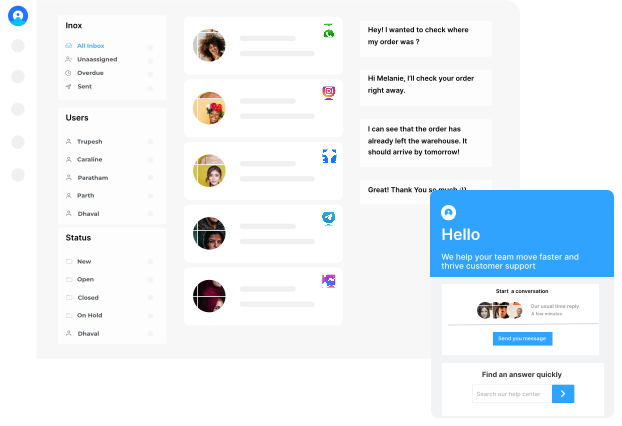
Whether it’s about acquire, engage or support – Omni24 covers all your customer engagement needs in one complete platform.

Copyright ©2026 Veemo All rights reserved.
CA, Los Angeles, Hall Ave, 19011