How to Implement Proactive Customer Service Effectively
Discover proactive customer service - anticipate needs, boost satisfaction. Learn AI strategies and real examples driving growth through better support.

Discover proactive customer service - anticipate needs, boost satisfaction. Learn AI strategies and real examples driving growth through better support.
Traditional customer service models often focus on reacting to customer issues after they arise, rather than preventing them initially. With the changing technology, many businesses are now adapting to a new way of customer service – proactive customer support!
Proactive customer service approach is a way to enhance the customer experience and build strong relationships with their clients.
Let’s explore the concept of proactive customer support and why it is crucial for businesses. We will discuss the benefits of being proactive, provide examples of proactive customer support strategies and offer tips for implementing proactive support in your own business.
Proactive customer support refers to a strategic approach taken by companies to anticipate and address potential customer issues before they occur. It is in contrast to reactive customer support, which involves only responding to customer inquiries or complaints after they have been made. By being proactive, businesses aim to enhance the overall customer experience, boost satisfaction and build stronger customer relationships.
This approach fundamentally changes the relationship dynamic between companies and their customers. Rather than waiting for customers to reach out when something goes wrong, proactive support creates a system where businesses actively monitor customer journeys and intervene at strategic moments to prevent problems from escalating.
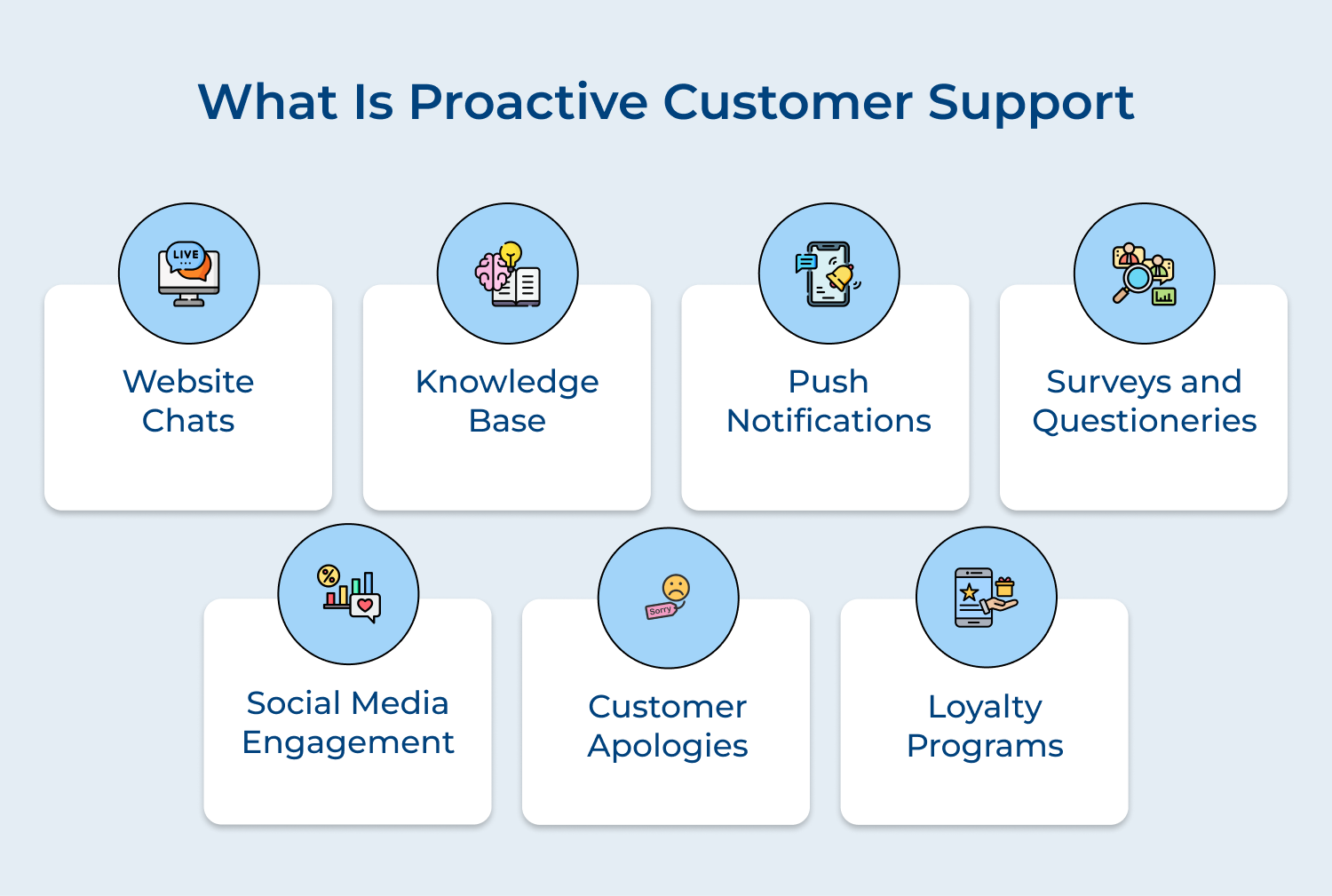
Here are a few key elements:
Customer service is the frontline of interaction between a company and its customers that plays a vital role in building customer loyalty. Let us delve into the key benefits.
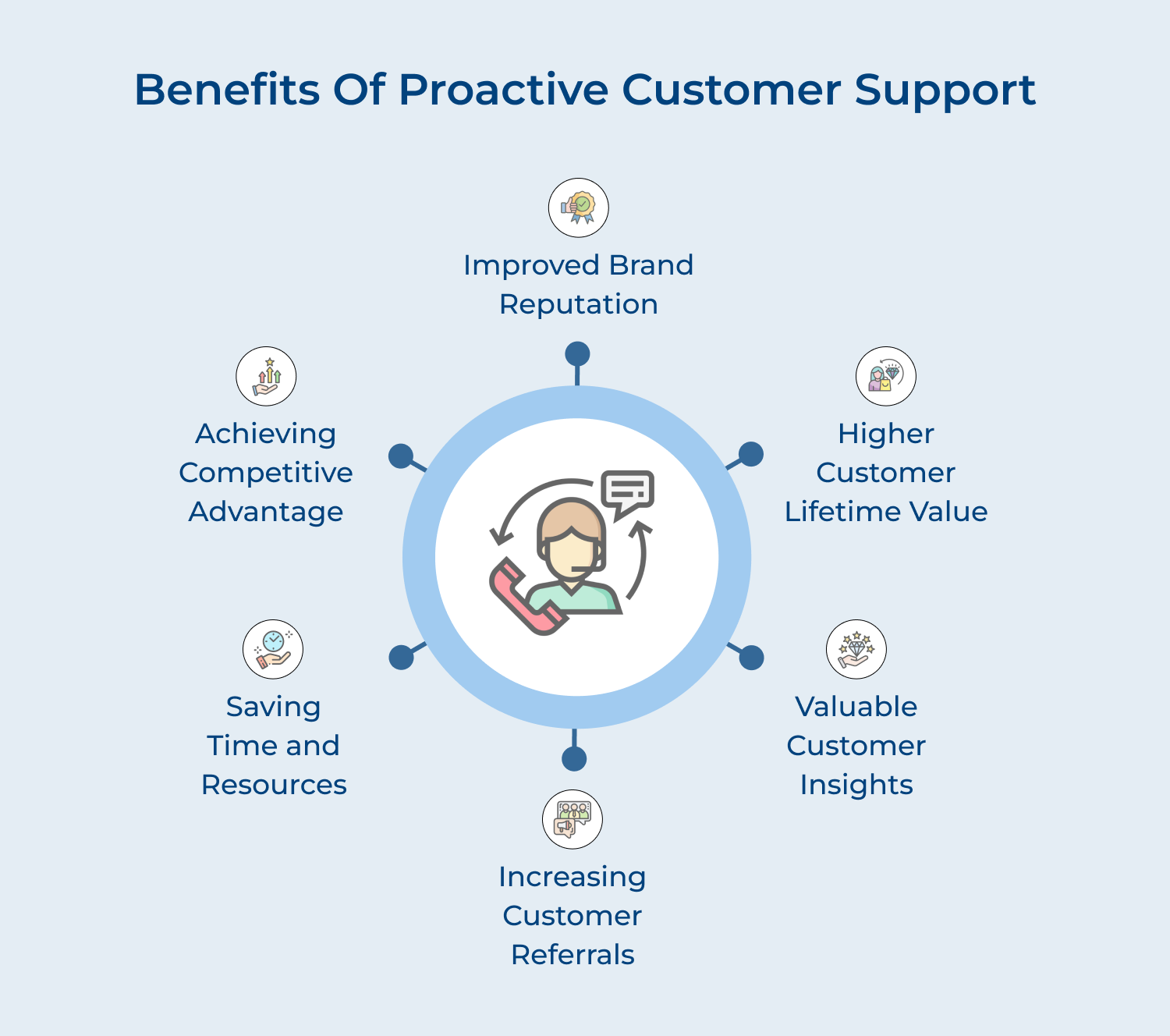
Two usual approaches in customer service are proactive and reactive strategies. While both aim to address customer needs, there are significant differences between the two. Let’s get into it!
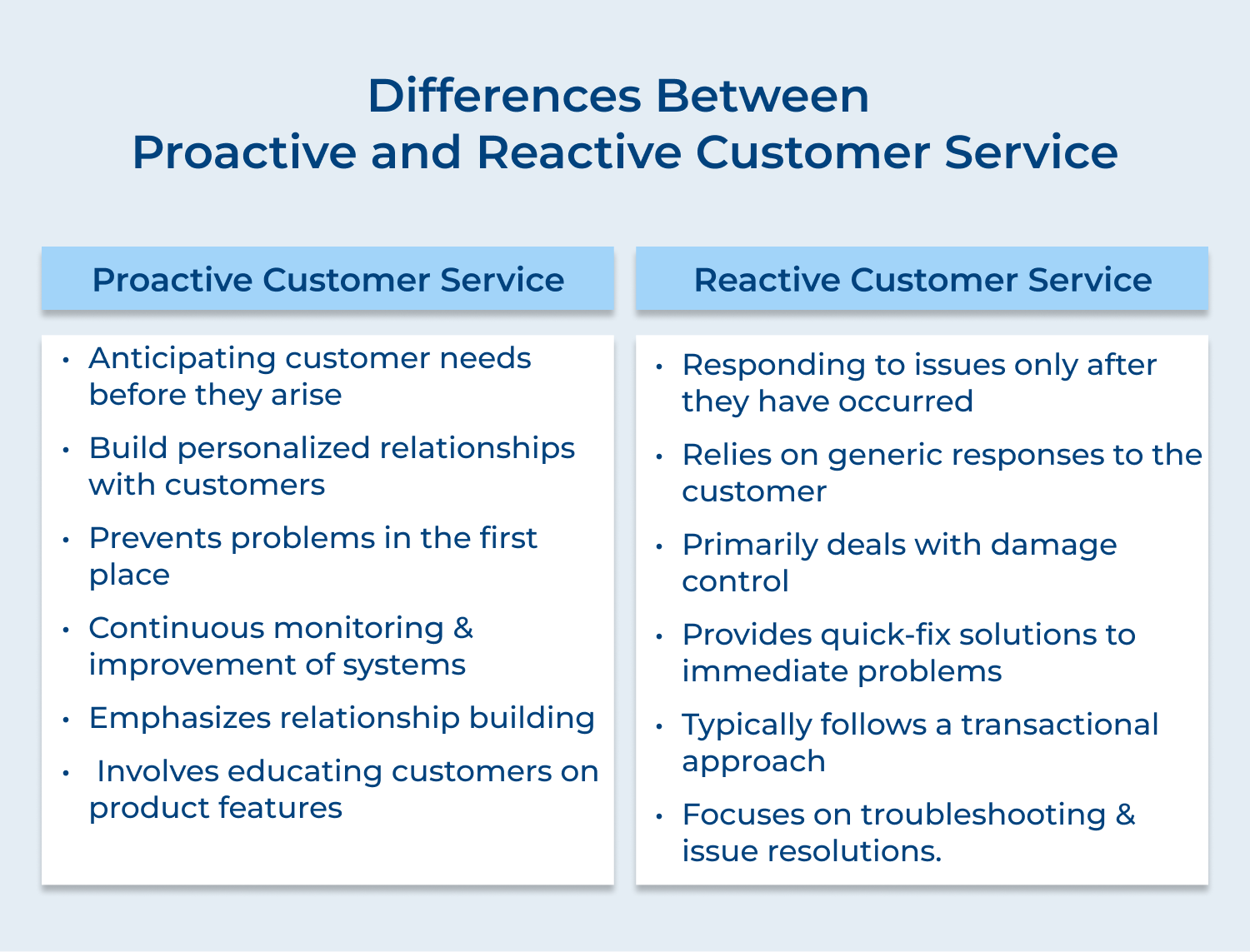
Proactive customer service focuses on anticipating customer needs before they arise. It involves analyzing trends, customer behavior and market research to identify potential pain points while resolving them preemptively. Reactive customer service responds to customer issues only after they have occurred, often leaving the customers dissatisfied.
Reactive customer service often relies on generic responses that may not fully address individual customer concerns. However, proactive customer service experience aims to build personalized relationships with customers by tailoring interactions to their specific needs. It involves a deeper understanding of customer preferences and history, allowing for customized recommendations as well as solutions.
Proactive customer service is all about preventing problems from occurring. By identifying potential pain points and taking preventative measures, businesses can avoid customer dissatisfaction. Reactive customer service, on the other side, primarily deals with damage control and resolves issues after they have affected customers.
When there are only quick-fix solutions to immediate problems without addressing their root causes, it is reactive customer service. Proactive customer service involves continuous improvement of systems and processes to enhance the overall customer experience. It aims to identify areas that need improvement and implement long-term solutions.
Proactive customer service emphasizes relationship building. It seeks to establish a long-term rapport with customers by creating personalized experiences and going the extra mile to meet their needs. Reactive customer service typically follows a transactional approach, focusing on resolving immediate issues and often lacking the personal touch.
Proactive customer service involves educating customers on product features, benefits and usage tips, helping them get the most out of their purchase. Reactive customer service primarily focuses on troubleshooting and resolving customer complaints or issues.
89% of the companies find proactive customer service as a pleasant surprise. Here are some steps to help you implement a proactive customer service strategy:
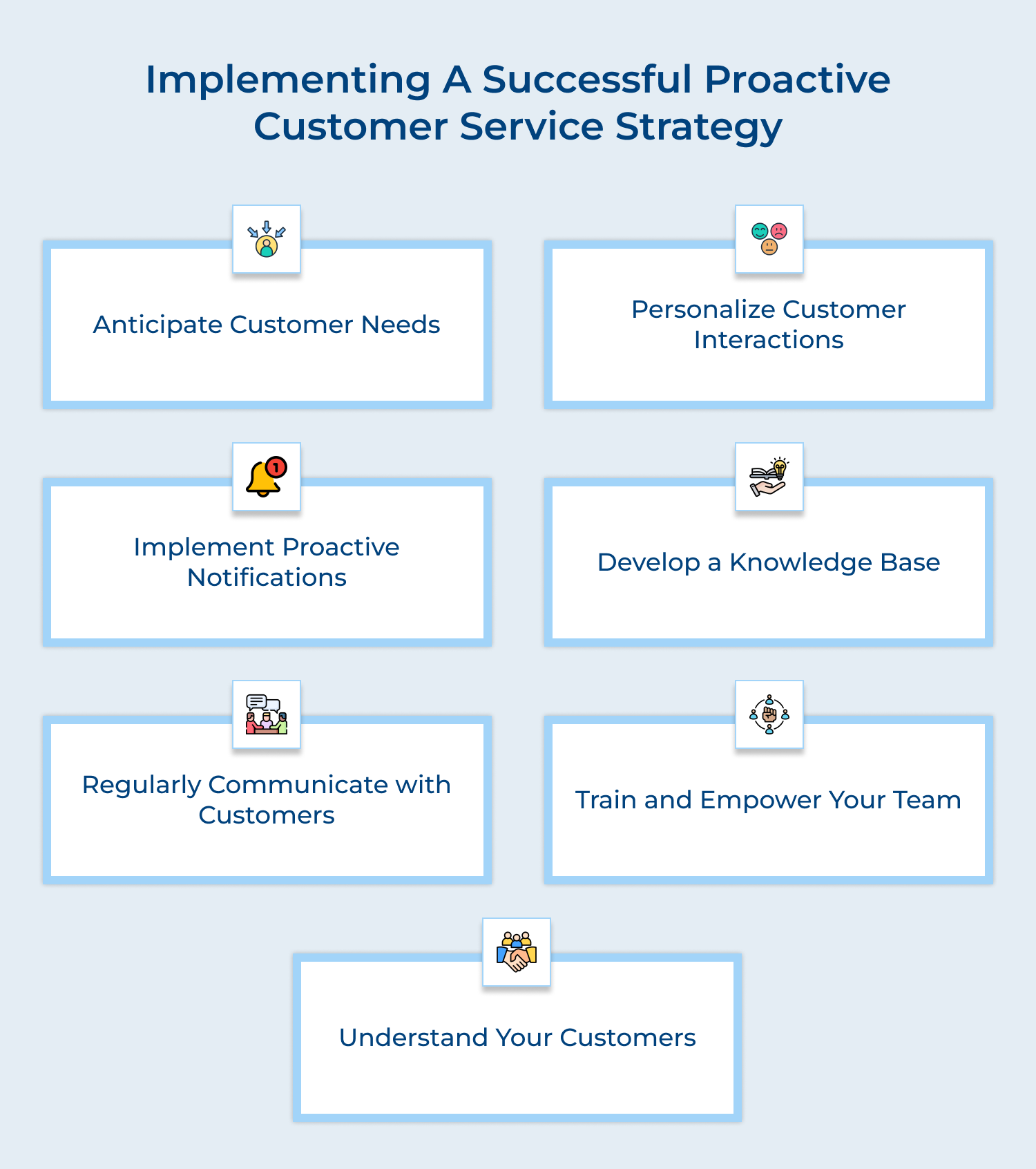
Understanding your customers is important because it enables you to anticipate their needs and tailor your products or services accordingly. It enhances customer satisfaction and helps build long-lasting relationships along with customer loyalty. Companies that prioritize understanding their customers often experience higher customer retention rates and increased revenue.
Here are some pro tips:
Anticipating customer needs also establishes a positive perception of the company as being attentive and customer-centric. It allows businesses to exceed customer expectations, reduce customer effort and ultimately drive customer satisfaction. By proactively identifying potential issues or needs, businesses can resolve problems before they arise, saving customers time and frustration.
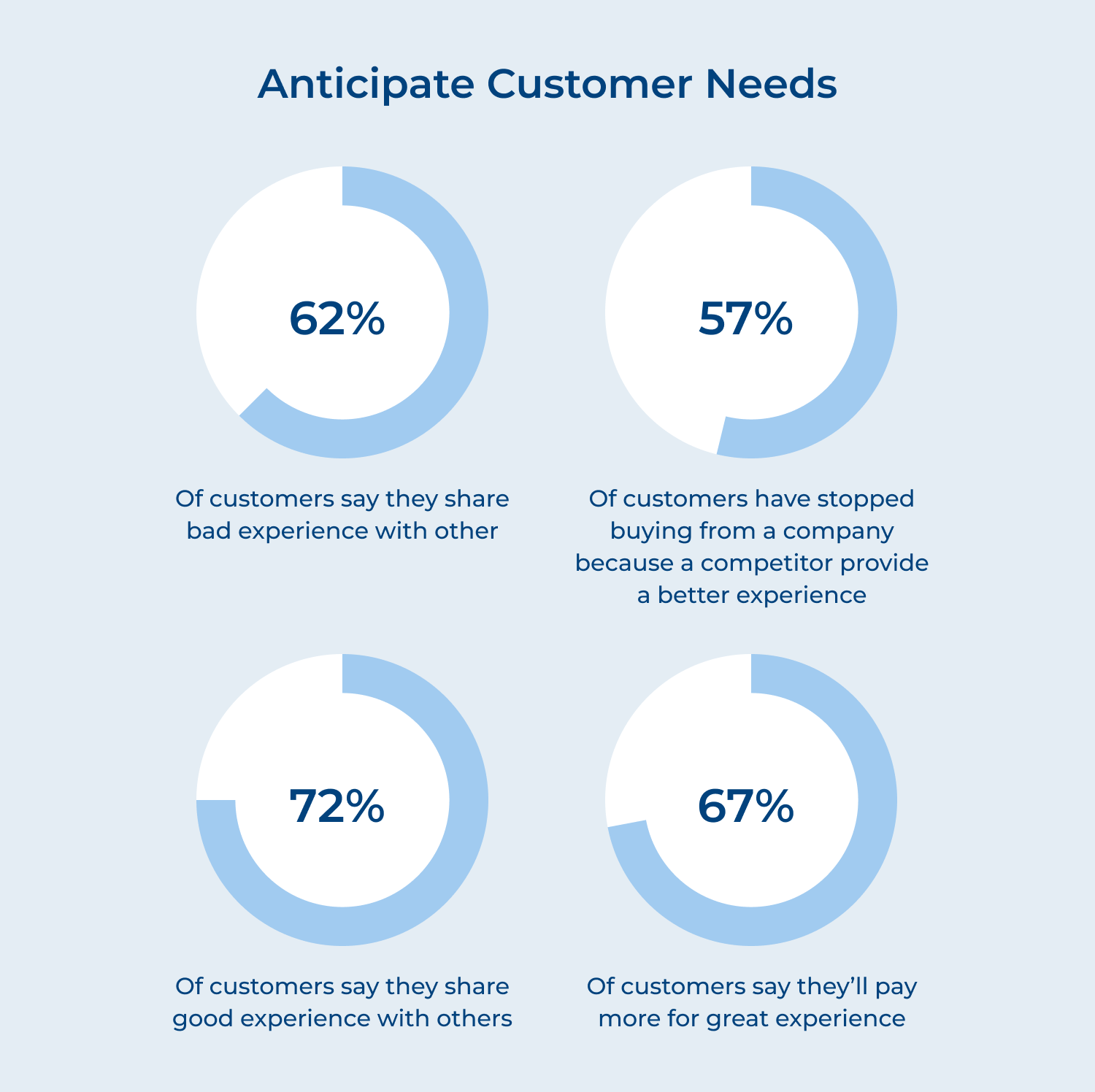
Here are some pro tips:
Personalizing customer interactions is an essential component of implementing a successful proactive customer service strategy. When customers feel valued and understood, they are more likely to become loyal brand advocates.
Here are some pro tips:
Proactive notifications refer to the practice of anticipating customer needs and informing them about relevant updates. It allows businesses to stay one step ahead, addressing potential concerns before they become problems. It not only saves time and resources but also leads to higher customer satisfaction. It shows customers that the company values their time and wants to ensure a smooth experience.
Here are some pro tips:
A knowledge base is a centralized repository of information that contains frequently asked questions (FAQs), troubleshooting guides, tutorials and other resources to help customers find the answers they need. By maintaining a knowledge base, businesses empower customers to self-serve and find solutions on their own. It ultimately leads to faster and more efficient issue resolution.
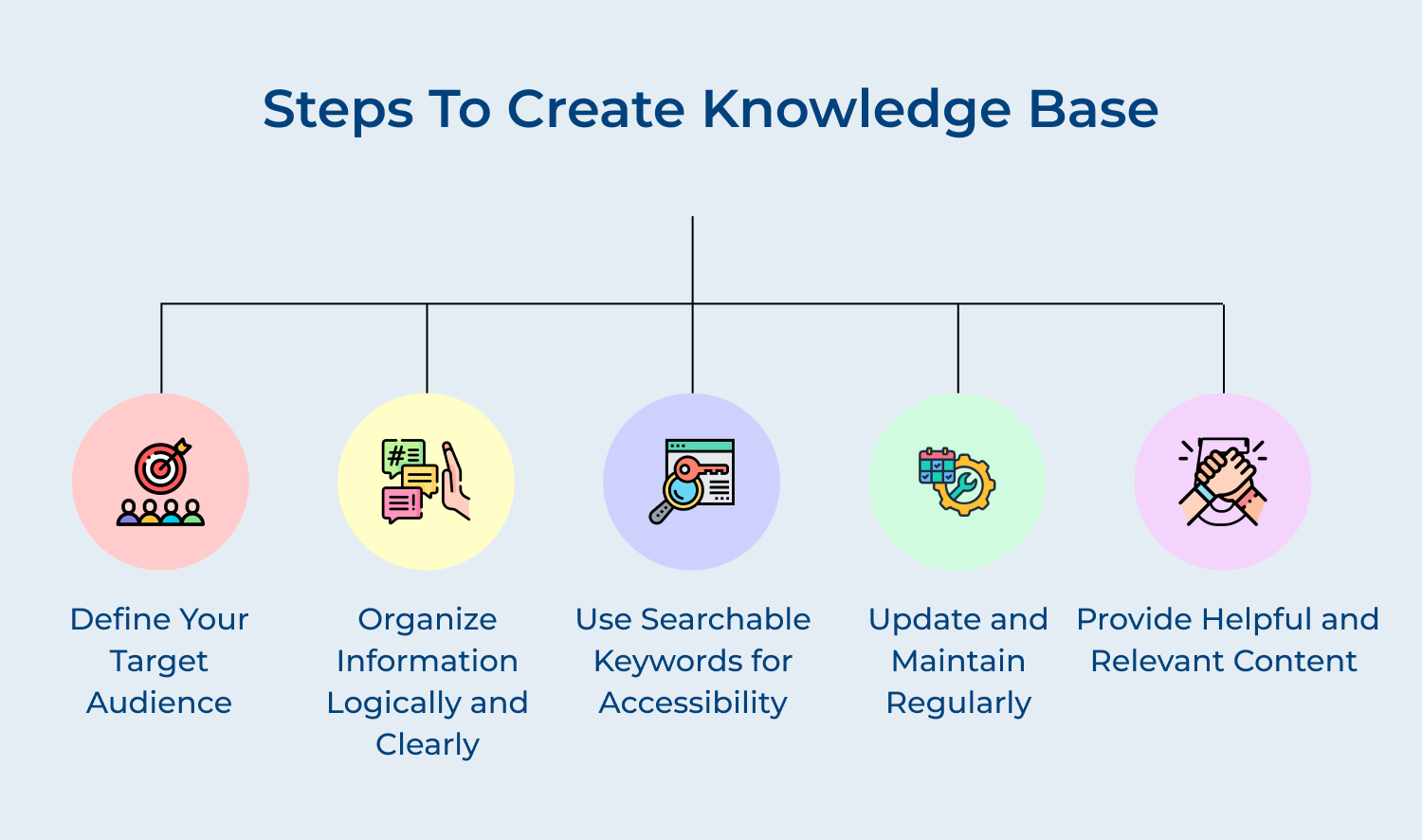
Here are some pro tips:
Regularly communicating with customers not only helps you understand their needs and concerns but also allows you to address any issues before they escalate. Proactive customer service involves reaching out to customers on a regular basis, even when they haven’t initiated contact. By doing so, you not only demonstrate your commitment to their satisfaction but also gather valuable insights to improve your products or services.
Here are some pro tips:
Empowering a team gives them the confidence and autonomy to make decisions as well as take actions that will delight customers. Providing comprehensive training equips your team with the knowledge and skills needed to address customer needs proactively. It not only enhances the customer experience but builds a sense of ownership among your employees.
Here are some pro tips:
The technologies have the potential to greatly enhance the customer experience by streamlining processes and providing personalized interactions. Here’s how AI & automation helps.
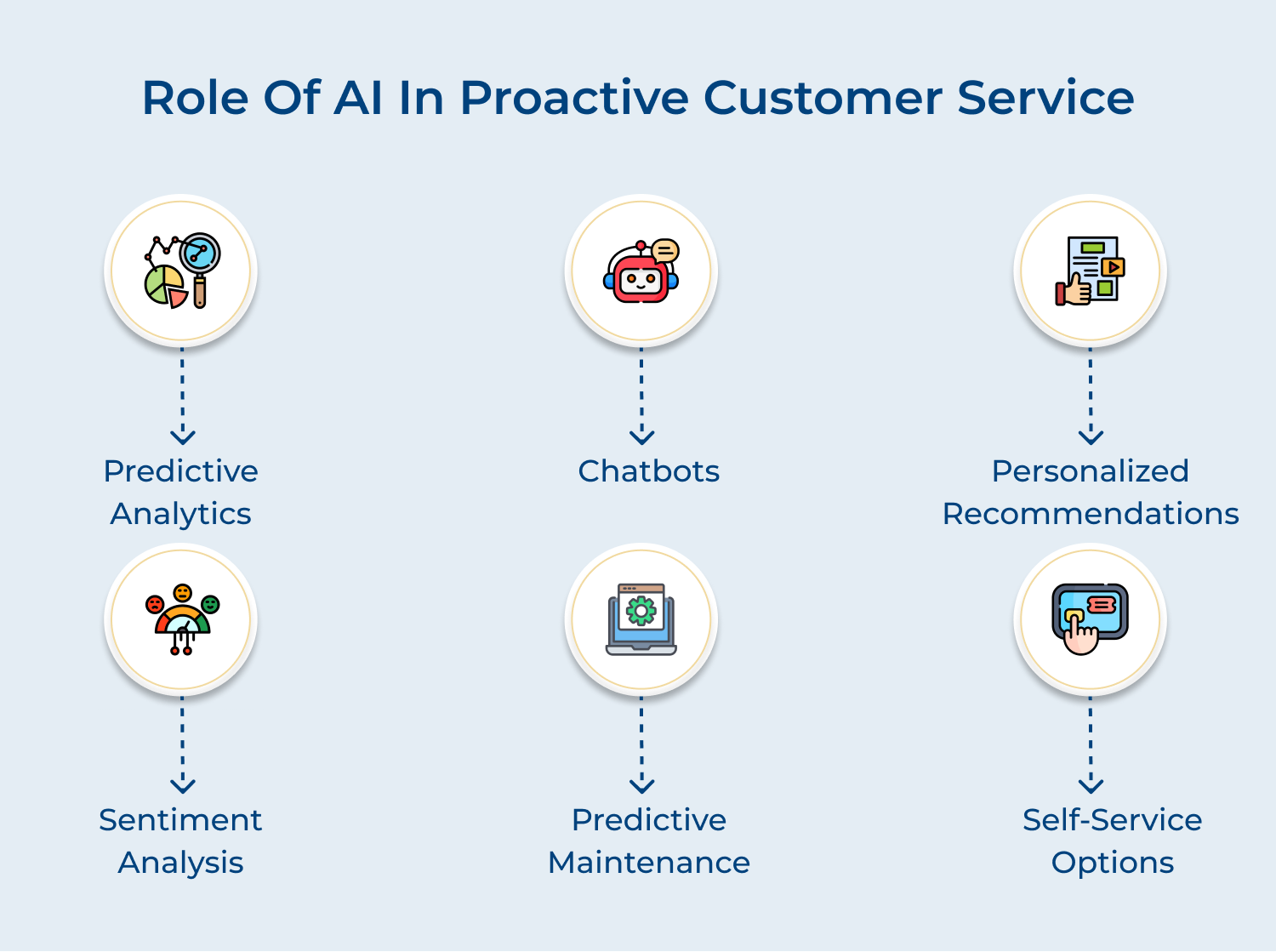
1. Predictive Analytics
AI algorithms can analyze vast amounts of customer data to identify patterns and predict customer behavior. By analyzing past interactions and purchase history, AI can anticipate customer preferences. It enables companies to proactively reach out to customers with personalized offers and recommendations, enhancing customer engagement as well as satisfaction. In fact, 81% of customers would love to shop again with the brands that have given them a positive customer experience.
2. Chatbots
17% of shoppers leave the cart if they find the checkout process too complicated. Chatbots are AI-powered virtual assistants that can replace this issue by interacting with customers in real-time, providing instant responses and assistance. They can handle a wide range of customer inquiries, from answering simple questions to resolving complex issues. By automating routine tasks, chatbots free up human agents to focus on more complex and high-value customer interactions.
3. Personalized Recommendations
AI algorithms can analyze customer preferences and behavior to provide personalized product recommendations. By offering tailored suggestions based on individual preferences, companies can enhance upselling and cross-selling opportunities. It not only increases customer satisfaction but also boosts revenue and customer loyalty.
4. Sentiment Analysis
AI-powered sentiment analysis can analyze customer feedback and social media posts to gauge customer satisfaction levels. Monitor customer sentiment in real-time to quickly identify and address any negative experiences or concerns. It allows them to take proactive measures to resolve issues and prevent any potential reputation damage.
5. Predictive Maintenance
AI algorithms can analyze data from connected devices to predict when maintenance or repairs will be required. Proactively address maintenance needs and minimize downtime as well as enhance the overall customer experience. For example, a company can schedule a service appointment before a device malfunctions, ensuring uninterrupted service for the customer.
6. Self-Service Options
Automation can empower customers to find answers to their queries without the need for human assistance. Self-service options such as knowledge bases, FAQs and interactive tutorials provide customers with instant access to information. It improves customer satisfaction and reduces the workload on customer service teams.
Proactive customer service goes above and beyond reacting to customer issues while seeking to anticipate their needs before they arise. Here are the best practices of proactive customer service:
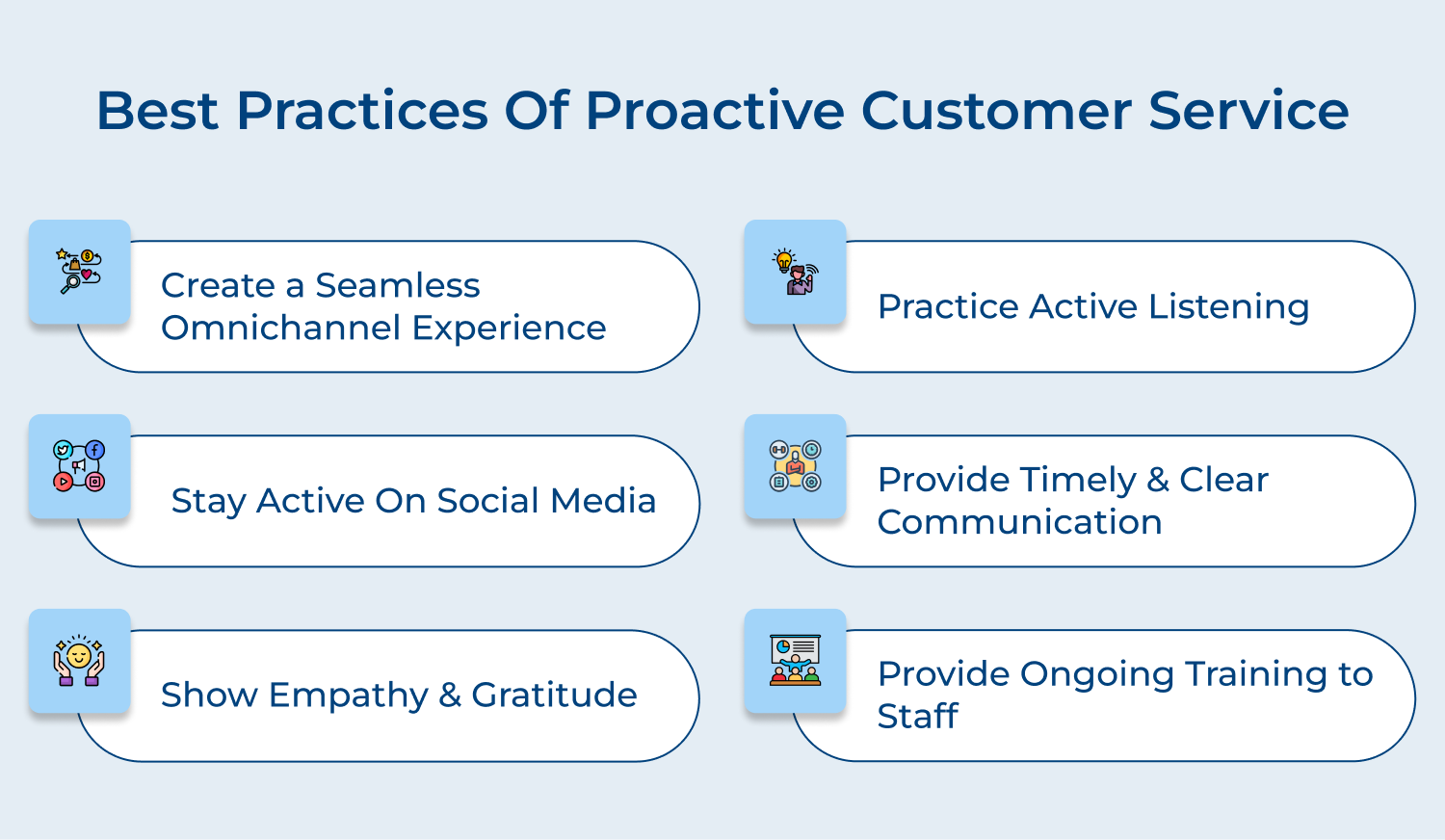
Proactive customer service is all about anticipating customer needs and resolving issues before they even arise. Let’s explore some real-life examples of companies that have excelled in proactive customer service.
Amazon, the e-commerce giant, constantly strives to improve its customer experience. With their anticipatory shipping program, they analyze customer data and predict what products an individual is likely to order. Based on these predictions, they proactively ship products to nearby warehouses before the customer even places an order. As a result, customers receive their orders faster, leading to increased satisfaction and loyalty.
The online shoe and clothing retailer, Zappos is well-known for its exceptional customer service. One of their strategies involves surprising and delighting customers with unexpected gestures. For instance, they once sent a customer a free upgrade to overnight shipping, ensuring the shoes arrived in time for a special event. These personalized acts of kindness not only create positive word-of-mouth but also cultivate long-term customer loyalty.
Starbucks understands that their customers lead busy lives and waiting in long lines for their morning coffee may be inconvenient. They introduced the Mobile Order and Pay feature in their app. It allows customers to order and pay for their drinks in advance, minimizing wait times. The proactive initiative not only enhances convenience for customers but also drives customer loyalty by saving them valuable time.
Proactive customer service is crucial for brands looking to succeed in today’s business environment. It combines advanced technology, personalized communication, and a proactive mindset to exceed customer expectations. Businesses can anticipate needs, provide timely solutions and create long-lasting relationships with their customers.
Businesses can differentiate themselves from the competition and build long-lasting relationships with their customers by anticipating customer needs while also addressing them proactively. Investing in proactive customer service strategies is not only beneficial for customers but also for the long-term success and growth of the brand.

What is the proactive approach to customer service?
The proactive approach to customer service involves anticipating customer needs, identifying potential issues and taking preemptive measures to address them. It goes beyond just reacting to customer complaints and focuses on providing exceptional service by being one step ahead.
Why is proactive customer service important for businesses?
Proactive customer service is important for businesses for several reasons. It helps in building strong customer relationships based on trust and loyalty. When customers feel that their needs are anticipated and addressed proactively, they are more likely to stay loyal to the brand. It reduces customer frustration and enhances their overall experience, leading to higher customer satisfaction.
How can businesses benefit from implementing proactive customer service?
Implementing proactive customer service can provide numerous benefits to businesses. It helps in reducing customer complaints and negative reviews by addressing issues beforehand.It leads to improved customer retention and brand reputation. Proactive customer service also enables businesses to identify areas for improvement and make necessary changes to enhance their products or services.
Why should businesses invest in training their customer service representatives for proactive customer service?
Investing in training customer service representatives for proactive customer service is crucial for businesses. These representatives act as the frontline ambassadors of the brand and directly interact with customers. The training can include effective communication techniques, problem-solving skills and in-depth product knowledge. Well-trained representatives can provide personalized and attentive service, enhancing the overall customer experience.
How can businesses measure the effectiveness of their proactive customer service efforts?
Measuring the effectiveness of proactive customer service efforts is important to understand their impact and make necessary improvements. One way to measure effectiveness is through customer feedback surveys or ratings that focus on proactive service. Businesses can track key performance indicators such as customer satisfaction rates, customer retention rates and the number of repeat customers.
What tools or technologies can businesses use to implement proactive customer service?
There are several tools and technologies available to businesses to implement proactive customer service. Customer relationship management (CRM) software can help in organizing and managing customer data, allowing for personalized interactions. Chatbots and AI-powered systems can provide automated proactive assistance, such as proactive notifications or personalized recommendations. These tools enable businesses to efficiently implement proactive customer service strategies and provide a seamless customer experience.
 https://omni24.io/wp-content/uploads/2026/08/AI-Customer-Service-Agents.png
1256
2400
Webvision Solution
https://omni24.io/wp-content/uploads/2023/04/Omni-Logo-1.svg
Webvision Solution2026-09-21 04:48:512026-09-21 04:48:51How to Build an AI Customer Service Agents: 8 Key Steps
https://omni24.io/wp-content/uploads/2026/08/AI-Customer-Service-Agents.png
1256
2400
Webvision Solution
https://omni24.io/wp-content/uploads/2023/04/Omni-Logo-1.svg
Webvision Solution2026-09-21 04:48:512026-09-21 04:48:51How to Build an AI Customer Service Agents: 8 Key Steps https://omni24.io/wp-content/uploads/2026/08/Omnichannel-Conversational-AI.png
1256
2400
Tushar Joshi
https://omni24.io/wp-content/uploads/2023/04/Omni-Logo-1.svg
Tushar Joshi2026-09-16 03:51:072026-09-16 03:51:07How to Build Omnichannel Conversational AI Strategy
https://omni24.io/wp-content/uploads/2026/08/Omnichannel-Conversational-AI.png
1256
2400
Tushar Joshi
https://omni24.io/wp-content/uploads/2023/04/Omni-Logo-1.svg
Tushar Joshi2026-09-16 03:51:072026-09-16 03:51:07How to Build Omnichannel Conversational AI Strategy https://omni24.io/wp-content/uploads/2026/08/Customer-Service-Teams.png
1256
2400
Tushar Joshi
https://omni24.io/wp-content/uploads/2023/04/Omni-Logo-1.svg
Tushar Joshi2026-09-15 04:01:522026-09-15 04:02:16How to Build Customer Service Teams: 6 Key Steps
https://omni24.io/wp-content/uploads/2026/08/Customer-Service-Teams.png
1256
2400
Tushar Joshi
https://omni24.io/wp-content/uploads/2023/04/Omni-Logo-1.svg
Tushar Joshi2026-09-15 04:01:522026-09-15 04:02:16How to Build Customer Service Teams: 6 Key Steps
Whether it’s about acquire, engage or support – Omni24 covers all your customer engagement needs in one complete platform.

Copyright ©2026 Veemo All rights reserved.
CA, Los Angeles, Hall Ave, 19011