How to Build a Customer Experience (CX) Program In 2026
Unlock business success with a strategic Customer Experience Program—boost loyalty, revenue and brand reputation by delivering exceptional customer service as well as satisfaction.
Unlock business success with a strategic Customer Experience Program—boost loyalty, revenue and brand reputation by delivering exceptional customer service as well as satisfaction.
Customer experience has become a key differentiator for companies looking to stand out from the crowd. A well-designed customer experience program can not only help businesses attract and retain customers but also drive revenue growth while also creating brand advocates.
We will explore the importance of a customer experience program, how it can benefit your business and provide tips on how to implement an effective program that will take your customer relationships to the next level.
A Customer Experience (CX) Program is a strategic initiative designed to systematically improve the overall experience customers have with a company across all touchpoints and interactions. It involves collecting and analyzing customer feedback, mapping customer journeys, and implementing data-driven improvements to enhance satisfaction, loyalty, and advocacy.
A CX Program aims to create a customer-centric culture within the organization, aligning various departments and processes to deliver consistent, positive experiences that meet or exceed customer expectations, ultimately driving business growth and competitive advantage.
Key objectives:
Making the customers happy and satisfied isn’t just easy, it requires extensive customer experience vision.
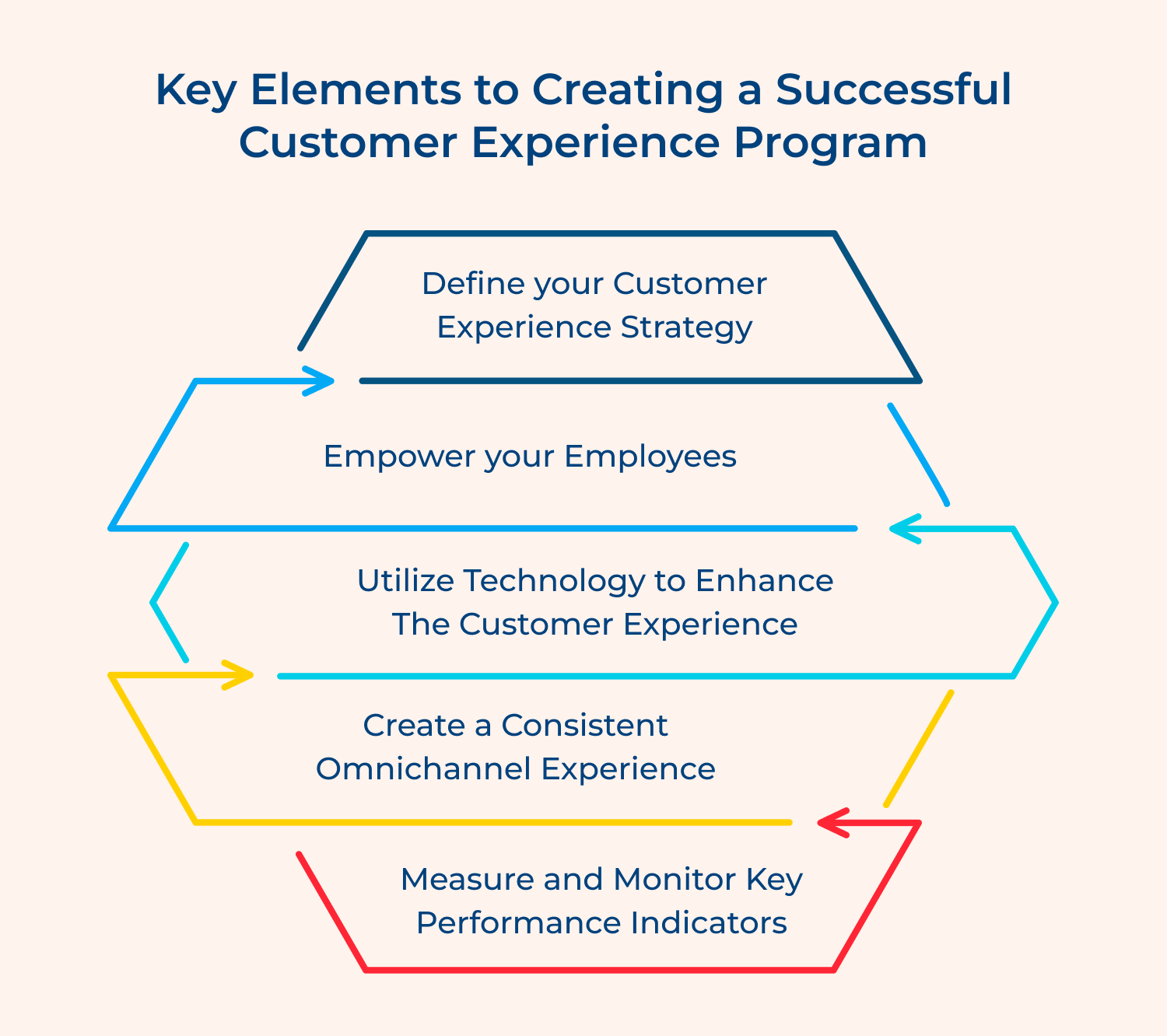
Before you can create a successful customer experience program, you must first define your strategy. It involves understanding your target audience, identifying their needs and pain points, while also determining how you can best serve them. Start by conducting market research, gathering feedback from existing customers and developing customer personas to help you tailor your customer experience program to meet their specific needs.
Consider the following pro tip:
Use customer journey mapping to visualize the different touchpoints your customers encounter when interacting with your brand. It will help you identify areas for improvement and create a more seamless customer experience.
Your employees are the true face of your brand and are crucial in delivering a positive customer experience. Empower your employees by providing them with the training, tools and resources they need for effective customer engagement as well as resolve any issues that may arise. Encourage a customer-centric mindset among your team members and reward them for delivering exceptional service.
Pro tip to follow:
Implement a rewards & recognition program to incentivize employees to go above and beyond for customers. Rewarding outstanding customer service can boost morale as well as motivation among your team members.
Technology shapes the customer experience initiatives. A couple of years ago, 25% of all the customer interactions were automated using technology. Now it has increased by over 40%! Leverage customer relationship management (CRM) software, live chat support, social media monitoring tools and other technologies to streamline communication with customers, personalize their brand interactions and provide real-time support when needed.
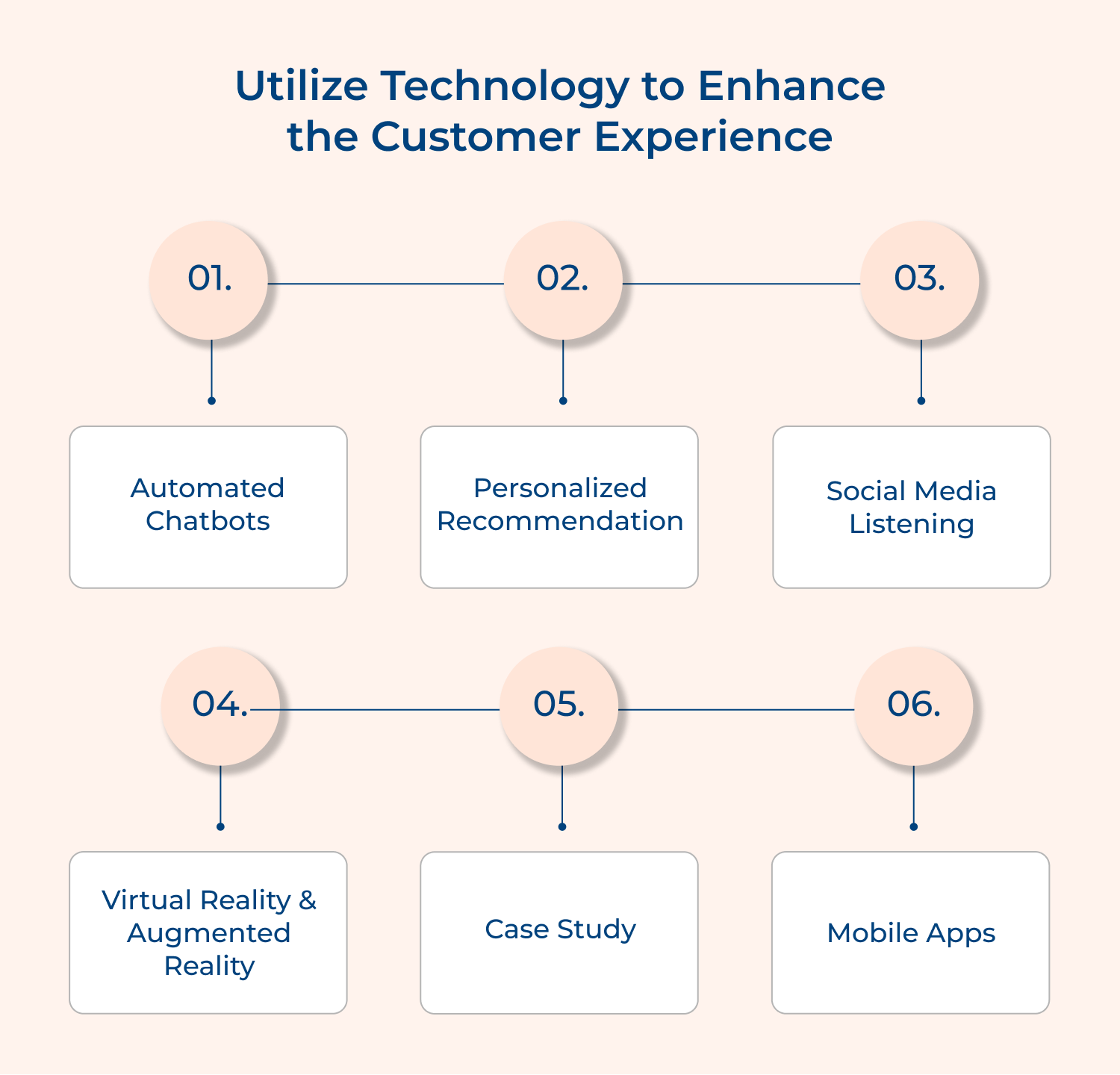
Pro tip:
Implement a customer feedback system to gather valuable insights from customers about their experiences with your brand. Use the feedback to identify areas for improvement and make data-driven decisions to enhance the customer experience.
In an omnichannel world, customers expect a seamless and consistent experience across all channels, whether they are interacting with your brand online, in-store or via mobile devices. A PWC report found that the companies investing in omnichannel experience has jumped from mere 20% to a whopping 80%. Ensure that all touchpoints of your customer experience program are aligned to provide a cohesive and integrated CX at every stage of their journey.
Tip for Consistency:
Implement a unified customer data platform to track customer engagement across different channels and provide personalized recommendations based on their behaviors. It will help you deliver a more personalized and relevant experience for each customer.
To ensure the success of your customer experience program, it is essential to measure and monitor key performance indicators (KPIs) to track your progress while also identifying areas for improvement. Some common KPIs to consider include customer satisfaction scores, Net Promoter Score (NPS), customer retention rates and average response time to customer inquiries.
Pro tip:
Set SMART (Specific, Measurable, Achievable, Relevant, Time-bound) goals for your customer experience program and regularly review your KPIs to gauge your performance against these objectives. Use this data to make informed decisions and continuously optimize your customer experience strategy.
Building a CX program roadmap involves several key steps that need to be carefully planned out and executed.
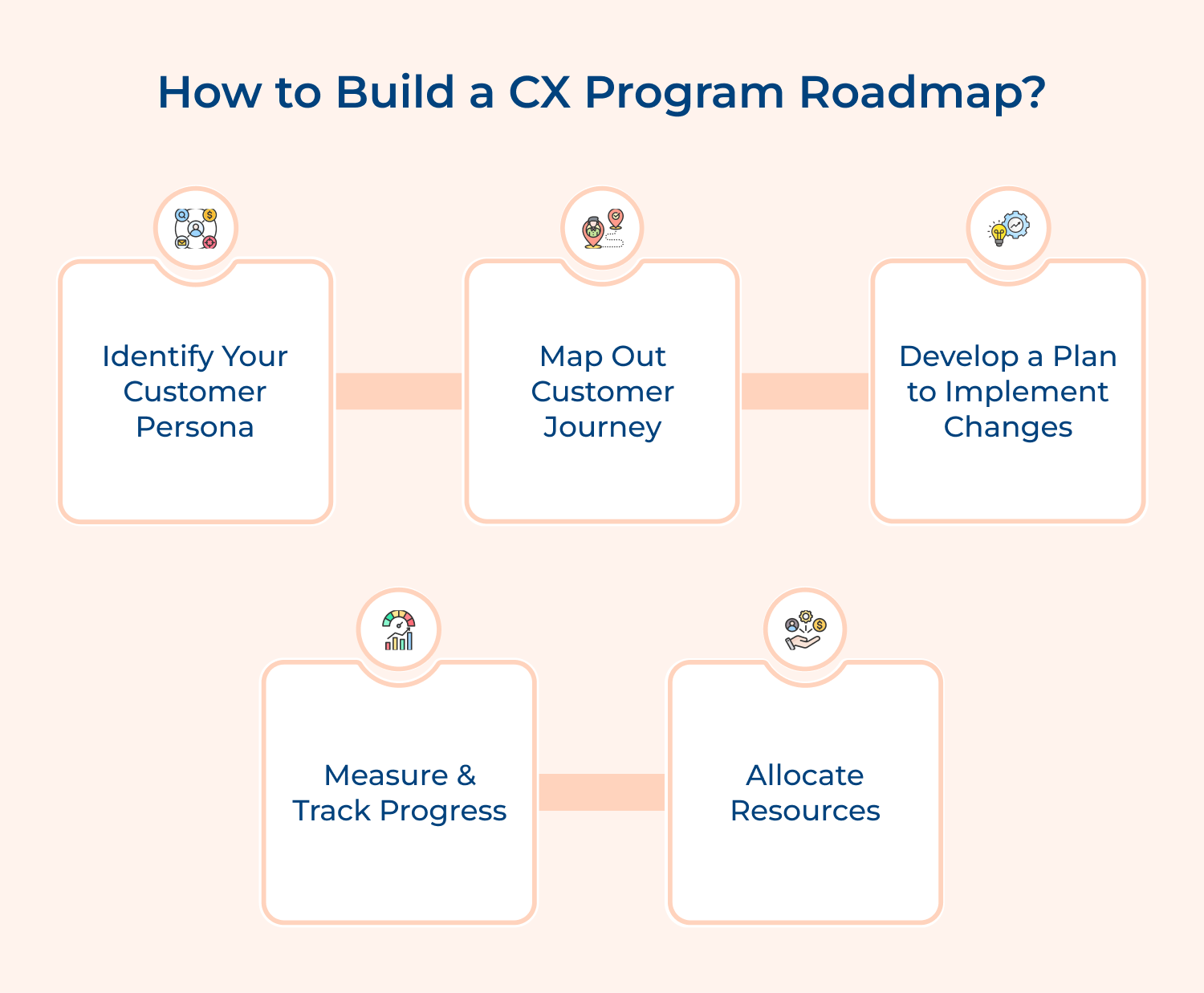
Begin by creating detailed profiles of your typical customers. Conduct research through surveys, interviews, and data analysis to understand their demographics, behaviors, needs, and pain points.
Develop 2-3 primary personas that represent your core customer segments. These personas will guide your CX strategy, helping you tailor experiences to specific customer groups. Ensure these personas are shared across the organization to create a unified understanding of who you’re serving and what they value most.
Create a comprehensive visual representation of every interaction customers have with your brand, from initial awareness to post-purchase support. Identify key touchpoints and moments of truth that significantly impact customer satisfaction.
Use customer feedback, analytics, and internal insights to understand pain points and opportunities for improvement at each stage. This map serves as a blueprint for your CX improvements, highlighting areas where you can enhance the customer experience and create meaningful differentiation.
Based on your journey map insights, prioritize areas for improvement. Create a detailed action plan outlining specific changes, timelines, and responsible teams. Focus on quick wins to build momentum while also planning for longer-term, transformative changes.
Ensure your plan addresses both customer-facing improvements and necessary internal process changes. Collaborate across departments to ensure buy-in and alignment on the proposed changes, and establish clear goals for each initiative.
Establish key performance indicators (KPIs) to measure the success of your CX initiatives. These might include Net Promoter Score (NPS), Customer Satisfaction (CSAT), Customer Effort Score (CES), and other relevant metrics. Implement systems to regularly collect and analyze this data.
Create dashboards to visualize progress and share insights across the organization. Regularly review these metrics to identify trends, celebrate successes, and quickly address areas of concern.
Determine the budget, personnel, and technology required to execute your CX program effectively. This may involve investing in customer feedback tools, training programs, or new customer service technologies. Ensure leadership support for resource allocation by clearly communicating the expected ROI of CX improvements.
Consider creating a dedicated CX team or appointing CX champions across departments to drive initiatives forward. Regularly review resource allocation to ensure it aligns with evolving CX priorities and business objectives.
Every program should have a roadmap to understand where you stand and the direction you head.
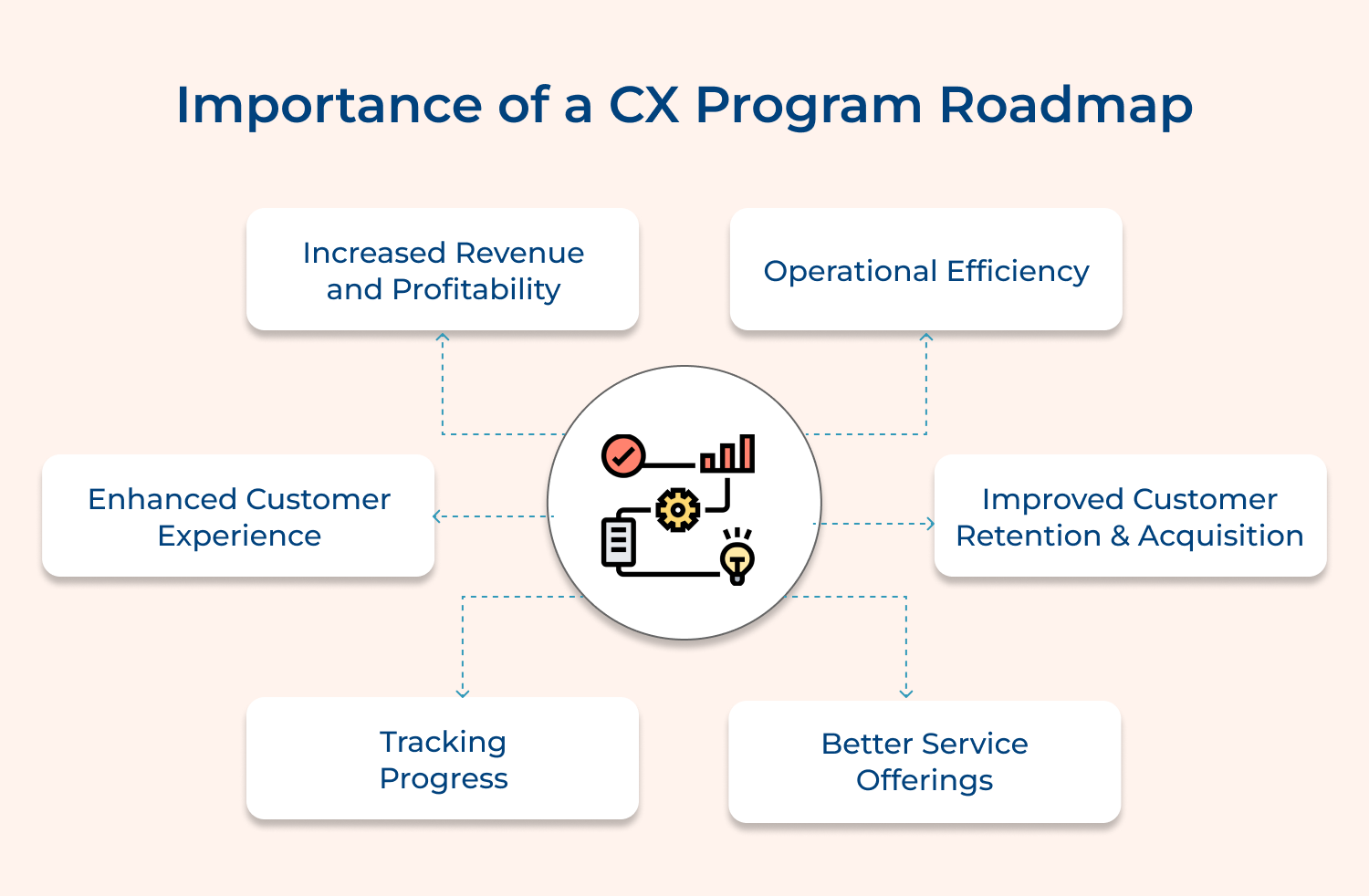
Consumer experience programs are becoming increasingly popular among businesses as they strive to provide top-notch service to their customers.
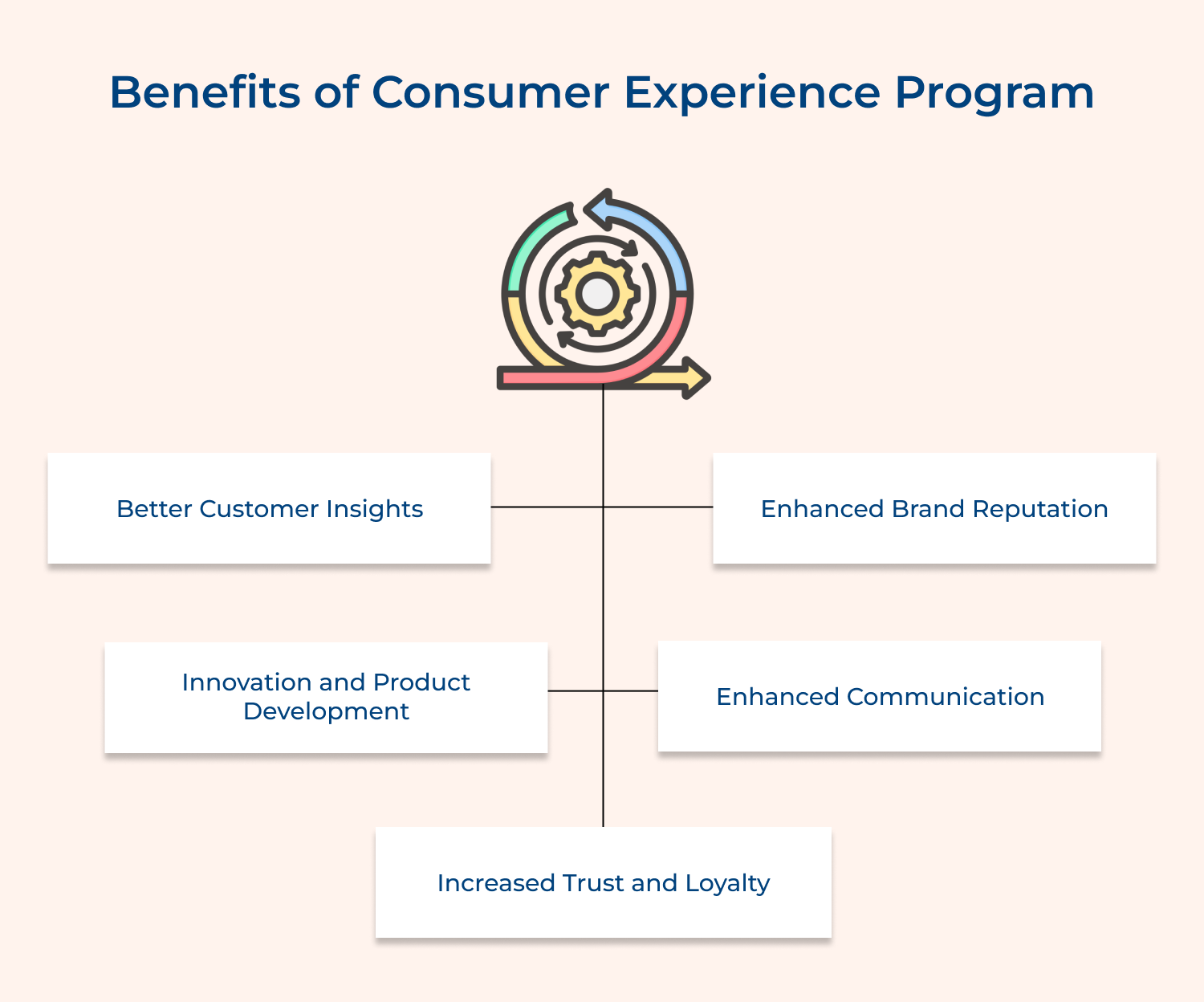
In conclusion, implementing a Customer Experience (CX) Program can truly level up your business. By focusing on delivering exceptional customer service, understanding customer needs, while improving overall customer satisfaction, you can build long-lasting relationships and increase brand loyalty.
A well-executed CX program can differentiate your business from competitors, drive repeat business and lead to increased revenue. Remember to continuously monitor and adjust your CX strategy to ensure it aligns with customer expectations as well as market trends. Investing in a customer-centric approach will undoubtedly benefit your business in the long run.

How does a customer experience program use it?
A customer experience program uses various tools as well as techniques to gather feedback, analyze data and implement strategies that improve the overall customer journey. It can include surveys, focus groups, customer journey mapping and employee training to ensure that every interaction with a customer is positive.
How to Build a CX Program Roadmap?
Building a customer experience program roadmap involves identifying key customer experience goals and developing a strategic plan to achieve them. To create a CX program roadmap, start by conducting research to understand your customers. Then, define clear objectives for your CX program, such as improving customer satisfaction or increasing customer loyalty. Next, outline the steps that will help you reach these goals, including implementing customer feedback mechanisms, training employees on CX best practices and measuring the impact of your CX efforts.
How do you create a customer experience program?
Creating a customer experience program involves several key steps. Identify your target customers and their needs by conducting research, surveys, customer interviews, etc. Next, define the goals and objectives of your CX program such as improving customer satisfaction, increasing customer loyalty or driving revenue growth. Then develop a clear strategy and action plan for achieving these goals, including defining key metrics as well as performance indicators to track progress.
 https://omni24.io/wp-content/uploads/2026/08/AI-Customer-Service-Agents.png
1256
2400
Webvision Solution
https://omni24.io/wp-content/uploads/2023/04/Omni-Logo-1.svg
Webvision Solution2026-09-21 04:48:512026-09-21 04:48:51How to Build an AI Customer Service Agents: 8 Key Steps
https://omni24.io/wp-content/uploads/2026/08/AI-Customer-Service-Agents.png
1256
2400
Webvision Solution
https://omni24.io/wp-content/uploads/2023/04/Omni-Logo-1.svg
Webvision Solution2026-09-21 04:48:512026-09-21 04:48:51How to Build an AI Customer Service Agents: 8 Key Steps https://omni24.io/wp-content/uploads/2026/08/Omnichannel-Conversational-AI.png
1256
2400
Tushar Joshi
https://omni24.io/wp-content/uploads/2023/04/Omni-Logo-1.svg
Tushar Joshi2026-09-16 03:51:072026-09-16 03:51:07How to Build Omnichannel Conversational AI Strategy
https://omni24.io/wp-content/uploads/2026/08/Omnichannel-Conversational-AI.png
1256
2400
Tushar Joshi
https://omni24.io/wp-content/uploads/2023/04/Omni-Logo-1.svg
Tushar Joshi2026-09-16 03:51:072026-09-16 03:51:07How to Build Omnichannel Conversational AI Strategy https://omni24.io/wp-content/uploads/2026/08/Customer-Service-Teams.png
1256
2400
Tushar Joshi
https://omni24.io/wp-content/uploads/2023/04/Omni-Logo-1.svg
Tushar Joshi2026-09-15 04:01:522026-09-15 04:02:16How to Build Customer Service Teams: 6 Key Steps
https://omni24.io/wp-content/uploads/2026/08/Customer-Service-Teams.png
1256
2400
Tushar Joshi
https://omni24.io/wp-content/uploads/2023/04/Omni-Logo-1.svg
Tushar Joshi2026-09-15 04:01:522026-09-15 04:02:16How to Build Customer Service Teams: 6 Key Steps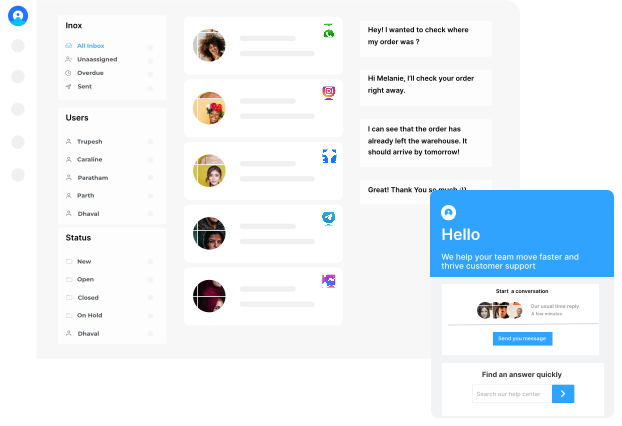
Whether it’s about acquire, engage or support – Omni24 covers all your customer engagement needs in one complete platform.

Copyright ©2026 Veemo All rights reserved.
CA, Los Angeles, Hall Ave, 19011