Customer Service Outsourcing: When, Why & How to Do It Right?
Outsource customer service to reduce costs, enhance support quality and free up your team to focus on core business priorities.

Outsource customer service to reduce costs, enhance support quality and free up your team to focus on core business priorities.
Outsourcing has become a common practice in the global economy right now. Observe that every company you know is outsourcing its various functions to third-party providers to streamline operations while also reducing expenses.
37% of small businesses outsource at least one business process. Out of all sectors plausible, customer service is the first area to be outsourced as it directly impacts customer satisfaction as well as retention.
While outsourcing customer service offers benefits, it also comes with its own set of challenges. We will explore the impact of outsourcing customer service on businesses, consumers and the overall customer experience.
Customer service outsourcing is the practice of hiring an external company to handle customer service activities on behalf of your business. It involves tasks such as answering customer inquiries, resolving complaints, providing technical support, along with processing orders.
This strategic approach fundamentally transforms how businesses manage customer relationships by shifting operational responsibilities to specialized providers. Companies can redirect internal resources toward innovation and growth while maintaining professional customer interactions through experienced external teams.
key goals:
In my opinion, outsourcing customer support is always a good idea for businesses looking to improve their customer service while also saving on costs. Here’s how you choose the best fit:
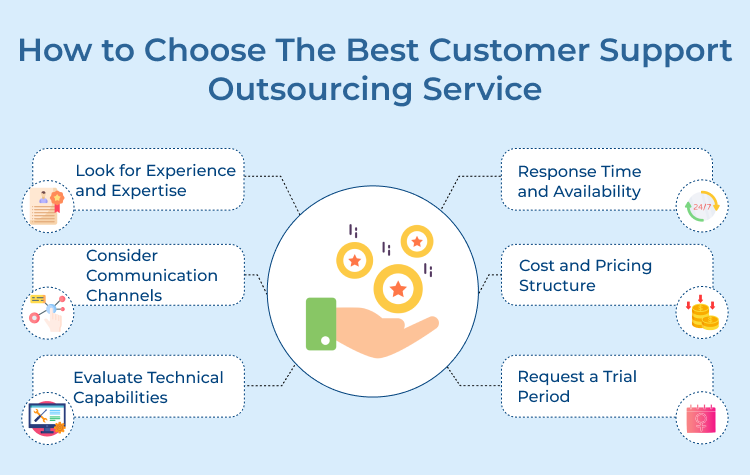
One of the most important factors to consider when choosing a customer support outsourcing service is their experience and expertise in the industry. Look for a provider that has a proven track record of success in providing high-quality customer support services. Check for client testimonials and case studies to ensure they have the necessary skills to meet your specific requirements.
Consider following tips:
Depending on your business needs, you may require customer support services across various communication channels such as phone, email, live chat, or social media. Make sure the outsourcing service you choose can support all the necessary channels to effectively communicate with your customers.
Consider following tips:
Your outsourcing service provider should have the technical capabilities to handle the latest technologies and tools for providing efficient customer support. Ensure they have the necessary software and systems in place to manage customer interactions as well as resolve issues in a timely manner.
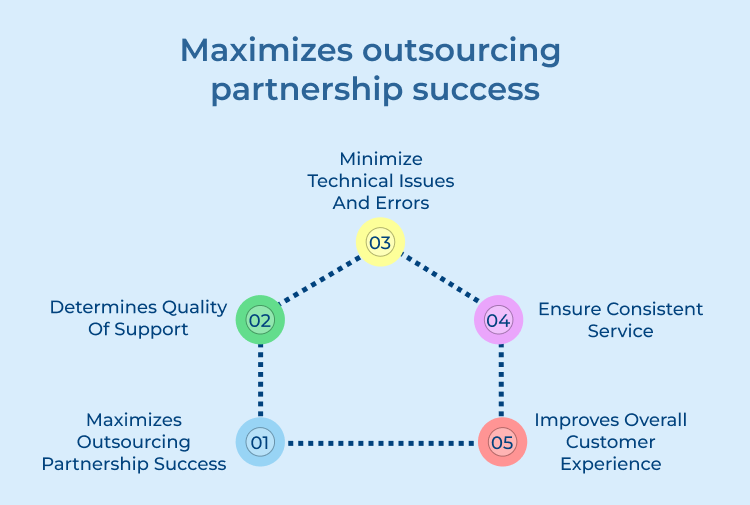
Here are some pro tips:
Quick response time and availability are the synonyms when it comes to customer support. Make sure the outsourcing service provider offers 24/7 support or at least has extended hours to accommodate different time zones. Consider their average response times and how quickly they resolve customer inquiries.
Consider following tips:
Different outsourcing service providers have varying pricing structures, so it’s important to consider your budget and ensure you choose a service that aligns with your financial goals. Compare pricing options and consider factors such as setup fees, ongoing costs, along with any additional charges for extra services.
Here are some pro tips:
Before committing to a long-term contract, consider requesting a trial period with the outsourcing service provider. It will give you the opportunity to test their services and assess their performance before making a final decision. Use this time to evaluate their communication, technical capabilities, response time and overall customer support quality.
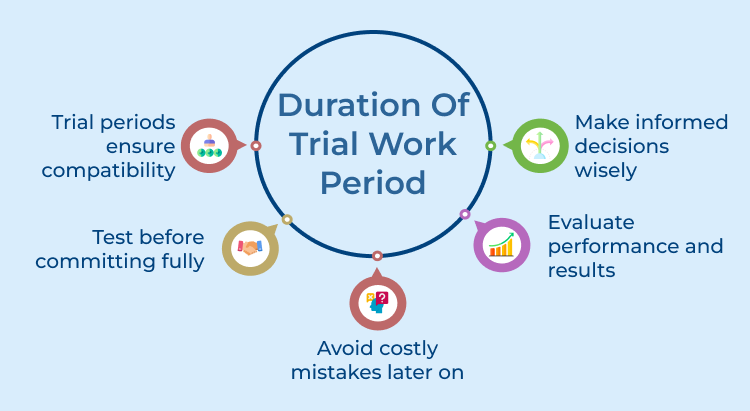
Tips to consider:
Global spending on outsourcing has hit an estimated $731 billion in 2023. There are several types of customer service outsourcing, each offering its own unique benefits.
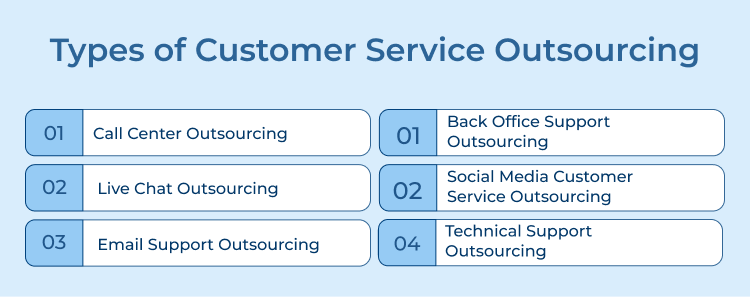
1. Call Center Outsourcing
Call center outsourcing is one of the most common types of customer service outsourcing. Businesses can outsource their incoming and outgoing calls to a third-party call center, which helps in handling customer inquiries, provide support as well as assist with sales. Call centers can be located domestically or internationally, depending on your budget along with language requirements.
2. Live Chat Outsourcing
Live chat can be integrated into your website and allows customers to chat with a support agent in real-time. This type of outsourcing is particularly helpful for businesses looking to provide instant support to their customers.
3. Email Support Outsourcing
Many businesses also outsource their email support to third-party providers. It involves handling customer questions, concerns and feedback sent via email. Email support agents are responsible for responding to emails in a timely manner.
4. Technical Support Outsourcing
Businesses that offer technical products or services often outsource their technical support to third-party providers. Technical support agents help customers troubleshoot issues with software, hardware, or other technical products.
5. Back Office Support Outsourcing
In addition to front-facing customer service operations, businesses can also outsource their back office support functions. It may include tasks like data entry, order processing, billing and other administrative tasks.
6. Social Media Customer Service Outsourcing
Social media customer service outsourcing involves outsourcing customer service inquiries and support on social media platforms such as Facebook, Twitter, Instagram, etc. Outsourcing social media customer service helps businesses effectively manage their social media presence and engage with customers.
The most common benefit every company perceived is “enabling focus on core functions”. While this is true, I believe there is more to the picture than this. Let’s look into those now.
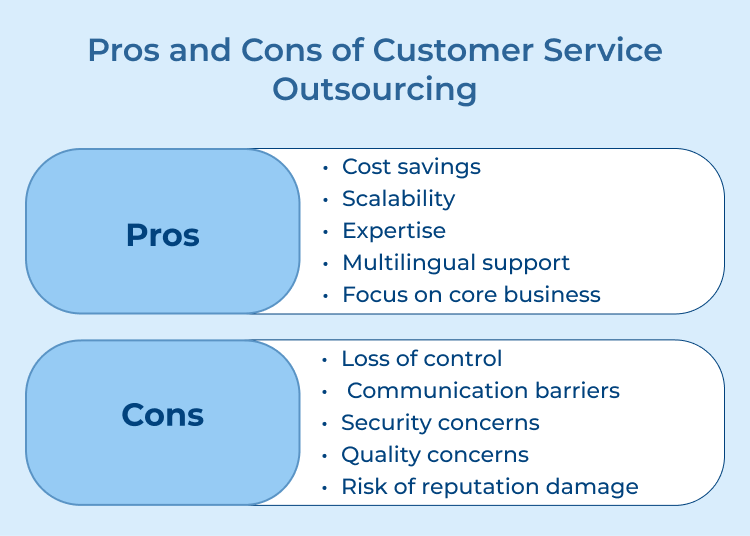
1. Cost savings: One of the reasons companies choose to outsource customer service is to save on costs. Outsourcing to countries with lower labor costs significantly reduces expenses compared to hiring and training in-house staff.
2. Scalability: Outsourcing allows companies to easily scale their customer service operations up or down based on demand. This flexibility can be crucial during busy seasons or when launching new products.
3. Expertise: Outsourcing customer service to a specialized provider ensures that your customers receive high-quality support. These providers often have experience in handling customer inquiries efficiently.
4. Multilingual support: Outsourcing customer service can also provide access to multilingual support, allowing companies to serve a global customer base more effectively.
5. Focus on core business: By outsourcing customer service, companies free up internal resources and focus on their core business activities, such as product development or marketing strategies.
1. Loss of control: One of the biggest drawbacks of outsourcing customer service is the potential loss of control over the customer experience. Companies may face challenges in maintaining brand consistency and ensuring that customer service representatives align with their values.
2. Communication barriers: Language barriers and cultural differences often lead to misunderstandings or miscommunications between outsourced customer service representatives as well as customers. It is potentially damaging the customer experience.
3. Security concerns: Sharing sensitive customer information with an outsourced provider can raise security concerns. Companies must ensure that data protection measures are in place to safeguard customer data and comply with privacy regulations.
4. Quality concerns: Not all outsourced customer service providers may deliver the same level of quality as well as service. Companies must carefully vet potential partners and closely monitor performance to ensure customer satisfaction.
5. Risk of reputation damage: Poor customer service experiences can have a significant impact on a company’s reputation. If outsourced customer service fails to meet expectations, it results in negative reviews, customer churn and damages the brand’s image.
To optimize your ROI on the customer service companies, follow best practices to avoid facing sudden challenges. These ensure that you’re fool-proof from pitfalls and unforeseen hindrances.
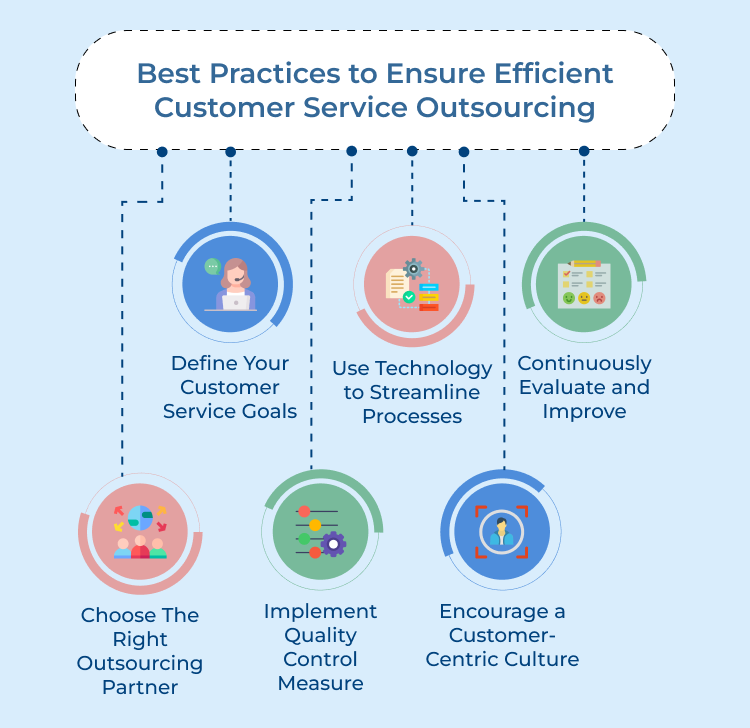
Before outsourcing customer service, make sure to clearly define what you expect from the service provider. It includes defining key performance indicators (KPIs) and service level agreements (SLAs) to measure the success of the outsourcing arrangement.
Consider these key tips:
Take the time to research and select a reputable outsourcing partner that has experience in providing customer service for your industry. Look for a partner that aligns with your company’s values and goals to ensure a successful partnership.
Consider following tips:
Set up quality control measures to monitor the performance of your outsourced customer service team. Regularly review customer interactions, provide feedback and address any issues that arise to maintain high-quality service levels.
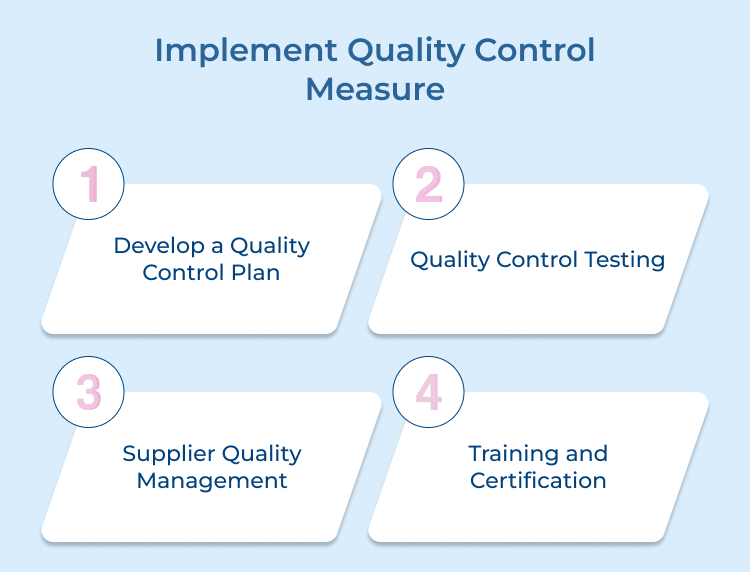
Pro tips to consider:
Implement customer service technology, such as chatbots or ticketing systems, to help streamline customer inquiries and improve efficiency. These technologies can help reduce response times and improve customer satisfaction.
Tips to consider:
Build a customer-centric culture within the outsourcing team to ensure that they prioritize customer satisfaction and provide excellent service. It can be achieved through regular training and incentives for meeting customer service goals.
Consider following tips:
Continuously evaluate the performance of the outsourcing arrangement. Look for ways to improve efficiency and customer satisfaction. It may include implementing new technologies, revising processes, or making adjustments to the outsourcing partnership.
Consider following tips:
Outsourcing customer service is definitely a strategic move to improve your business’s efficiency while also providing customer support on par with industry standards. The processes become more organized as well as create a seamless experience for customers and you!
Here are some of the top customer service outsourcing software options, along with their key features:

Omni24 offers a wide range of features to help businesses effectively manage their customer interactions. From live chat & ticketing systems to knowledge bases as well as social media integrations, Omni24 provides a comprehensive solution for businesses looking to improve their customer service operations. With customizable options and advanced analytics, businesses get to tailor Omni24 to meet their specific needs while also delivering outstanding support to their customers.
Key features:
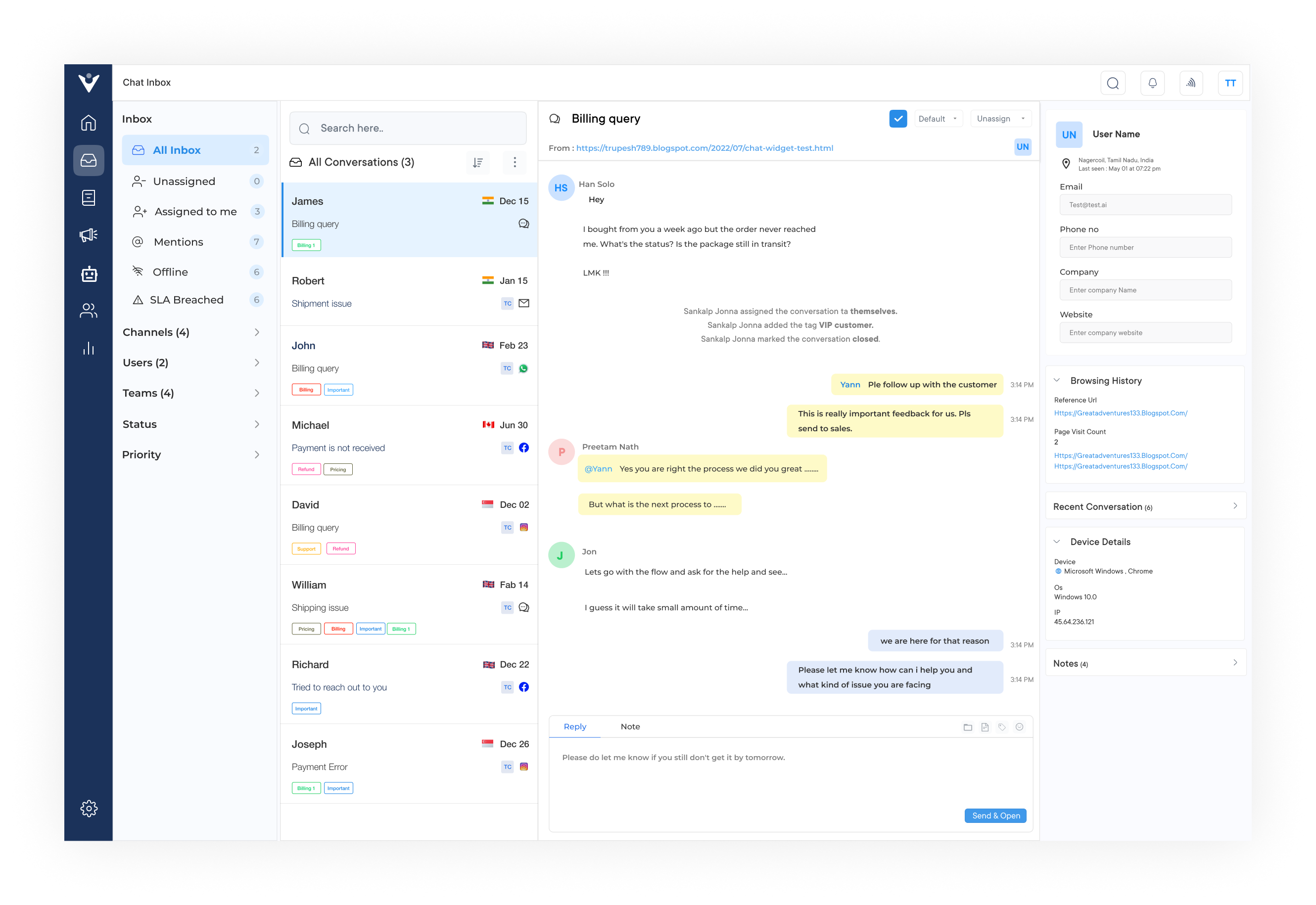
Veemo is a cloud-based software solution that integrates various communication channels such as email, chat, social media and SMS into one unified platform. It allows businesses to efficiently handle customer queries and interactions from multiple channels in one place. It also offers various tools to help businesses automate processes, track interactions and improve overall customer service.
Key Features:
Genesys is a customer service outsourcing software that focuses on providing omnichannel customer experiences. With features like intelligent routing, real-time analytics and workforce optimization, Genesys helps businesses deliver personalized customer service across all channels.
Salesforce Service Cloud is a customer service outsourcing software that is part of the Salesforce CRM platform. It comes with features like case management, knowledge base management and customer self-service portals. Salesforce Service Cloud helps businesses streamline their customer service operations as well as enhance customer engagement.
Help shift is a customer service outsourcing software that specializes in providing mobile-first customer support solutions. It consists of in-app messaging, AI-powered automation and real-time analytics that helps companies deliver instant support.
Outsourcing customer service has become a popular practice among businesses seeking to cut costs and improve efficiency.
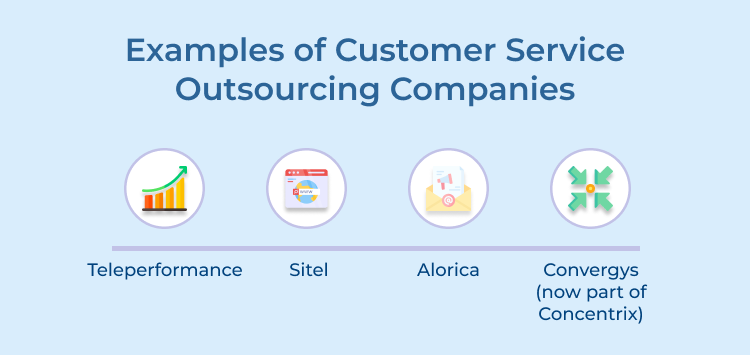
1. Teleperformance
Teleperformance is a global leader in customer experience management with a presence in over 80 countries and serving more than 170 markets. The company provides a wide range of customer service solutions, including inbound & outbound customer support, technical support and sales support. Teleperformance has worked with leading companies in various industries, such as telecommunications, e-commerce and financial services, to deliver high-quality customer service while also improving customer satisfaction.
2. Sitel
Sitel is another well-known customer service outsourcing company that helps businesses streamline their customer support operations. With a workforce of over 90,000 employees across 27 countries, Sitel offers a comprehensive suite of customer service solutions, including customer care, technical support and sales support. The company has a proven track record of delivering exceptional customer service for clients across industries, such as retail, healthcare and travel.
3. Alorica
Alorica is a leading provider of customer service outsourcing solutions, offering a diverse range of services, including customer care, technical support and back-office support. It has a global workforce of over 100,000 employees. Alorica has extensive experience in managing customer interactions for some of the world’s largest brands. The company leverages advanced technology as well as analytics to optimize customer service processes and provide personalized support to customers.
4. Convergys (now part of Concentrix)
Convergys, now part of Concentrix, is a reputable customer service outsourcing company that specializes in delivering exceptional customer support services to businesses across various industries. The company offers a full suite of customer care solutions, including multichannel support, social media management, and customer retention programs. Consisting a global footprint and a team of skilled customer service professionals, Convergys has helped clients enhance their customer service capabilities and drive customer loyalty.
Outsourcing your customer service can be a strategic decision to ensure quality support for your customers. By partnering with a reputable outsourcing provider, you benefit from their expertise, resources and scalability to meet the demands of your customer service operations.
Outsourcing allows you to focus on your core business activities while leaving the customer service responsibilities to professionals who are trained to deliver exceptional support. As per my research, outsourcing your customer service can lead to increased customer satisfaction, loyalty and retention. It ultimately contributes to the overall success and growth of your business. Consider outsourcing as a valuable solution for providing top-notch customer support.

Why is customer service outsourcing important for business?
Customer service outsourcing is important for businesses because it allows them to focus on their core competencies while leaving customer support to experts in the field. Outsourcing customer service can also help businesses save on costs, as they do not have to hire and train full-time customer service representatives.
How does customer service outsourcing work?
Customer service outsourcing involves partnering with a third-party provider to handle customer inquiries, complaints and support. The outsourcing provider will typically have a team of trained customer service representatives who communicate with customers through various channels, such as phone, email, chat or social media.
Is customer service outsourcing the same as offshore customer service?
While customer service outsourcing can involve offshore customer service, it is not always the case. Customer service outsourcing can be done locally or internationally, depending on the needs and preferences of the business. Offshore customer service is when the outsourcing provider is located in a different country from the business.
What should you look for in a customer service outsourcing provider?
When choosing a customer service outsourcing provider, businesses should look for providers with experience in their industry, a track record of success and a commitment to high-quality customer service. It is also important to consider factors such as the provider’s communication capabilities, technology infrastructure and scalability.
Is in-house or outsourcing customer service better for my business?
Whether in-house or outsourcing customer service is better for your business depends on various factors, such as your business size, budget and customer support needs. In-house customer service may be preferable for businesses that require complete control over customer interactions, while outsourcing customer service can be more cost-effective and flexible for businesses with fluctuating support needs.
 https://omni24.io/wp-content/uploads/2026/08/Omnichannel-Chatbots.png
1256
2400
Tushar Joshi
https://omni24.io/wp-content/uploads/2023/04/Omni-Logo-1.svg
Tushar Joshi2026-08-13 04:43:302026-08-24 09:02:01How Omnichannel Chatbots Improve Your Customer Experience
https://omni24.io/wp-content/uploads/2026/08/Omnichannel-Chatbots.png
1256
2400
Tushar Joshi
https://omni24.io/wp-content/uploads/2023/04/Omni-Logo-1.svg
Tushar Joshi2026-08-13 04:43:302026-08-24 09:02:01How Omnichannel Chatbots Improve Your Customer Experience https://omni24.io/wp-content/uploads/2026/08/Ecommerce-Chatbots-1.png
1256
2400
Tushar Joshi
https://omni24.io/wp-content/uploads/2023/04/Omni-Logo-1.svg
Tushar Joshi2026-08-12 03:57:552026-08-24 09:03:22Ecommerce Chatbots: What are They and Their Use Cases
https://omni24.io/wp-content/uploads/2026/08/Ecommerce-Chatbots-1.png
1256
2400
Tushar Joshi
https://omni24.io/wp-content/uploads/2023/04/Omni-Logo-1.svg
Tushar Joshi2026-08-12 03:57:552026-08-24 09:03:22Ecommerce Chatbots: What are They and Their Use Cases https://omni24.io/wp-content/uploads/2026/08/Omnichannel-Ecommerce.png
1256
2400
Tushar Joshi
https://omni24.io/wp-content/uploads/2023/04/Omni-Logo-1.svg
Tushar Joshi2026-08-11 04:50:362026-08-24 09:00:45How to Create an Omnichannel Ecommerce Strategy: 7 Best Ways
https://omni24.io/wp-content/uploads/2026/08/Omnichannel-Ecommerce.png
1256
2400
Tushar Joshi
https://omni24.io/wp-content/uploads/2023/04/Omni-Logo-1.svg
Tushar Joshi2026-08-11 04:50:362026-08-24 09:00:45How to Create an Omnichannel Ecommerce Strategy: 7 Best Ways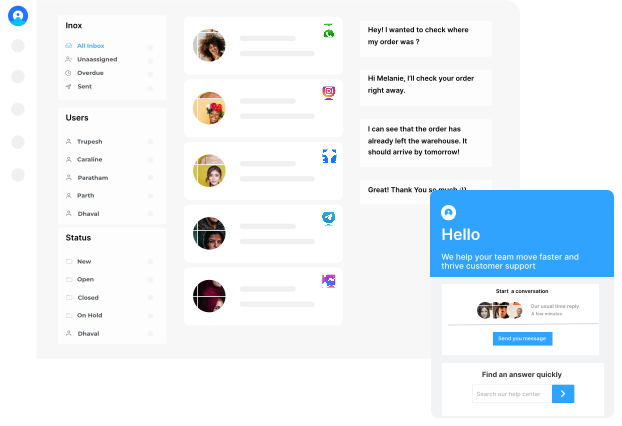
Whether it’s about acquire, engage or support – Omni24 covers all your customer engagement needs in one complete platform.

Copyright ©2026 Veemo All rights reserved.
CA, Los Angeles, Hall Ave, 19011