Top 9 Customer Success Challenges and How to Solve Them
Customer success challenges are inevitable. Businesses need to invest in understanding these challenges to enhance customer satisfaction and nurture loyalty.

Customer success challenges are inevitable. Businesses need to invest in understanding these challenges to enhance customer satisfaction and nurture loyalty.
Ensuring customer success is crucial for business growth and sustainability. But, businesses often overlook the challenges that may hinder their customers’ success.
Addressing customer success challenges is essential for building strong relationships with customers, driving loyalty, and maximizing the lifetime value of each customer.
Customer success organizations have grown the expansion charter from 10% to 47% in recent years.
Businesses that put efforts into understanding customer success challenges and invest in fixing those go a long way in gaining customer loyalty.
Let us explore the importance of identifying these challenges to ensure the success of both your business and customers.
Customer success is a crucial aspect of any business, as it focuses on ensuring that customers are satisfied with the products/services they have purchased. But, there are several challenges that businesses face in achieving customer success.
Some common challenges that businesses may encounter:
Customer success is a crucial aspect of any business, as it directly impacts customer satisfaction, retention, and overall company growth. Addressing customer success challenges is essential to maintain a positive relationship with customers and ensure their continued loyalty.
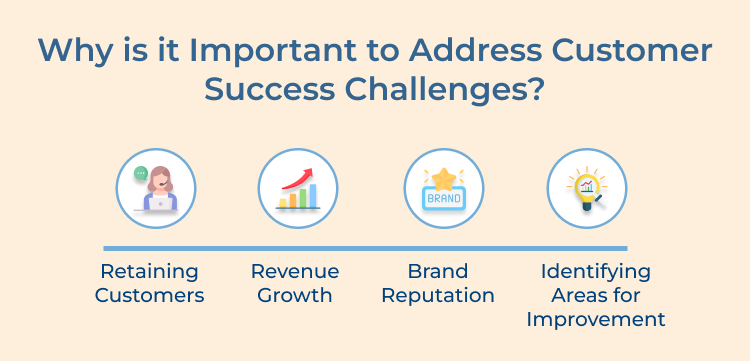
Here are a few reasons why it is important to address customer success challenges:
Customer success is a crucial aspect of any business, as it focuses on ensuring that customers are achieving their desired outcomes while using a product or service. But, there are common challenges that customer success teams face that can hinder their ability to effectively support their customers.
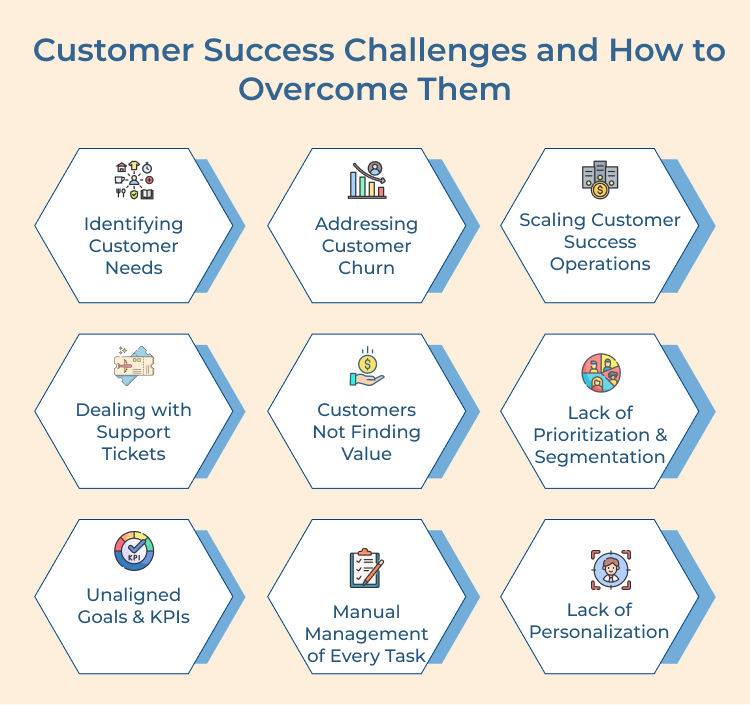
Let’s discuss these challenges, their causes and how to overcome them.
Identifying customer needs is the foundation of a successful customer success program.
The challenge arises when the customer success team struggles to accurately understand and address the client’s needs. It can lead to a lack of personalization in the customer experience, which can result in dissatisfaction and churn.
How to fix: Customer Success teams need to actively listen to customers, ask probing questions and regularly gather feedback to gain a deep understanding of their needs.
Here are a few precautions to consider:
Addressing customer churn is another common challenge for customer success teams.
Customer churn occurs when customers stop using a product/service, which can be detrimental to a business’s bottom line. Churn is often caused by a lack of engagement, poor onboarding processes, or unresolved issues.
How to fix: The customer success teams should focus on improving client onboarding processes, providing proactive support, and identifying potential issues before they become major problems.
Here are a few precautions to consider:
Scaling customer success operations is a challenge that many businesses face as they grow. As the customer base expands, it can be challenging to ensure that each customer receives the same level of support.
The challenge is often caused by a lack of resources, processes and tools to effectively manage a large number of customers.
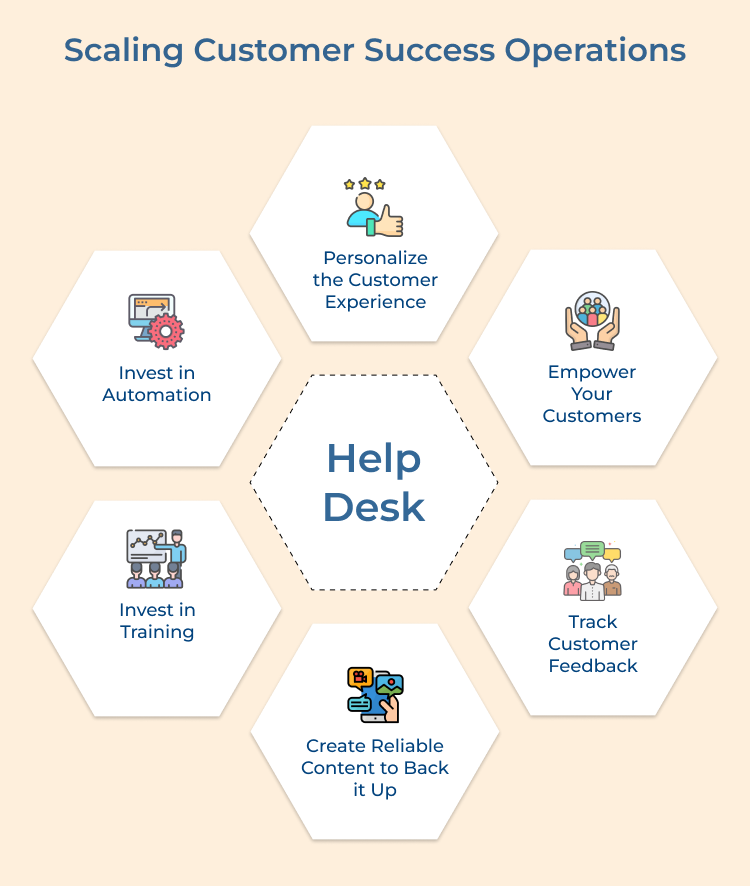
How to fix: businesses should invest in customer success tools and automation software, hire additional team members and create scalable processes that can accommodate a growing customer base.
Consider following precautions:
Dealing with support tickets is another common challenge for customer success teams. Support tickets can pile up quickly, especially during times of high customer volume or product launches. This challenge is often caused by a lack of streamlined processes for managing and resolving support tickets.
How to fix: The customer success teams should implement a ticketing system, prioritize tickets based on urgency and provide timely responses to customer inquiries.
Here are a few precautions to consider:
Customers not finding value in a product or service is a challenge that can lead to dissatisfaction and churn. This challenge is often caused due to lack of understanding of the customer’s objectives and ineffective onboarding processes.
How to fix: customer success teams should work closely with customers to clearly define their goals and ensure that they are achieving value from the product or service.
Tips to follow:
Prioritization and Segmentation are two key levers that determine customer success.
Lack of prioritization and segmentation is a great drawback for client success teams. Without a clear understanding of which customers to focus on and which actions to prioritize, it can be difficult to effectively support all customers. This problem is often caused by a lack of data-driven insights and segmentation strategies.
How to fix: Success teams should use customer data & analytics to identify high-value customers, create segmentation strategies based on customer needs and preferences, and prioritize actions based on customer impact.
Consider the following precautions:
Goals improperly aligned can hinder the success of a customer success team.
When different departments have conflicting goals and key performance indicators (KPIs), it can be quite challenging to ensure that everyone is working towards the same objectives. The main reason behind the problem is the lack of communication and alignment between departments.
How to fix: Businesses should establish clear goals and KPIs for customer success that are aligned with overall business objectives. They should ensure that all departments are working towards the same outcomes.
Here are tips to follow:
Manually handling the tasks is also a challenge that can lead to inefficiencies and errors.
When customer success teams rely on manual processes to manage tasks, it can be difficult to scale operations and provide timely support to customers. It usually happens due to lack of automation and workflow tools.
How to fix: businesses should invest in customer success software & automation tools, streamline processes, and delegate tasks effectively to improve efficiency.
Here are a few precautions to consider:
Personalization is in vogue. Missing out on personalization is a challenge that can impact customer engagement and loyalty.
When customers feel like they are just a number and not receiving personalized attention, they may be more likely to churn. When there is a shortage of customer data & insights and ineffective communication strategies the problem happens.
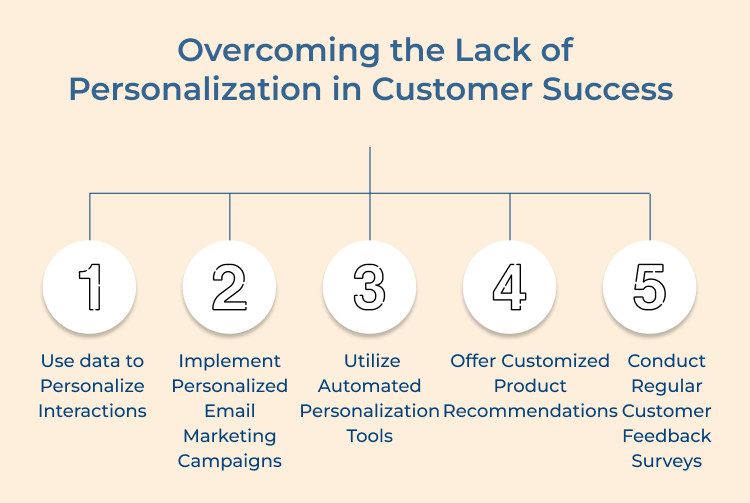
How to fix: Customer success teams should focus on building relationships with customers and gathering data on customer preferences. Then using this information to deliver personalized experiences and support.
Tips to consider:
Being a Customer Success Manager can be a rewarding career, but it also comes with its fair share of challenges. To excel in this role, one must be able to navigate through various obstacles and overcome them effectively.
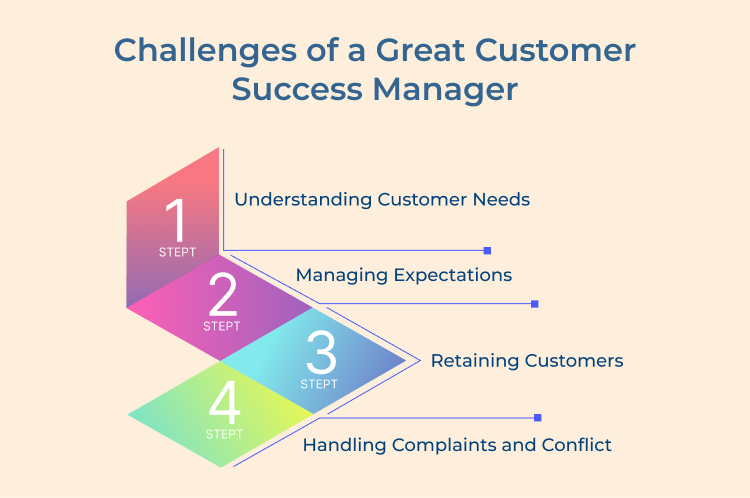
Here are some of the key challenges that a Customer Success Manager may face:
One of the biggest challenges for a Customer Success Manager is understanding the unique needs and goals of each customer. It requires active listening, effective communication and the ability to tailor solutions to meet the requirements. It can be challenging to balance the needs of multiple customers simultaneously, especially when they have conflicting interests.
Customers often have high expectations on the products or services they have invested in. A Customer Success Manager must be able to manage these expectations and ensure that they are achievable. It can be difficult to strike a balance between promising too much and under-delivering, which can lead to customer dissatisfaction.
Customer churn is a common challenge in the field of Customer Success. Retaining customers and ensuring their long-term satisfaction is key to success in this role. It can be difficult to identify at-risk clients and take proactive measures to prevent them from leaving. Building strong consumer relationships and providing ongoing support is essential in reducing churn rates.
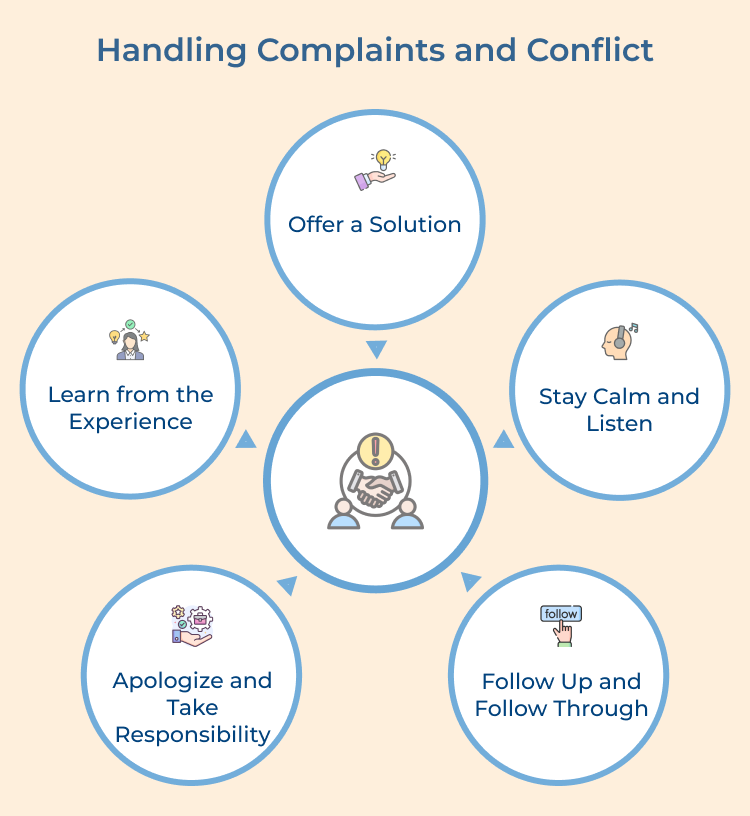
Dealing with unhappy customers and resolving conflicts is a major part of a Customer Success Manager’s role. It can be challenging to remain calm and professional in high-pressure situations, especially when customers are frustrated or upset. Developing strong conflict resolution skills and maintaining a positive attitude can help to navigate through these challenging interactions.
Businesses are connecting with customers through a variety of channels such as social media, email, SMS, and chat. While this multi-channel approach can be effective in reaching customers, it also poses challenges for customer success teams.
Here are some common challenges with multi-channel messaging and how to solve them:
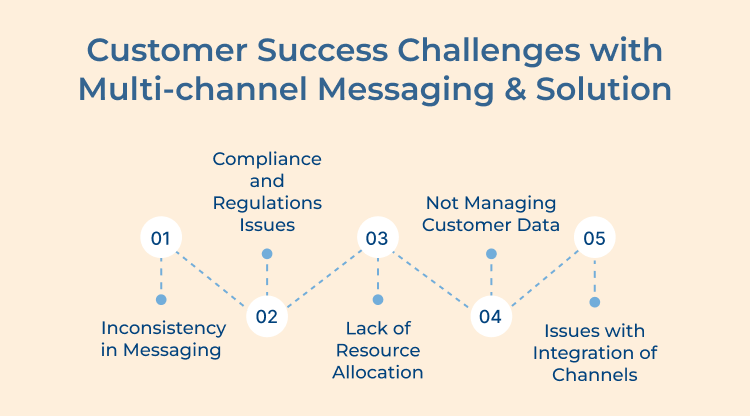
One of the biggest challenges with multi-channel messaging is maintaining consistency in messaging across all channels. Customers expect a seamless experience and inconsistent messaging can lead to confusion.
Solution: Customer success teams can create a messaging guide that outlines key messaging points and brand voice for each channel. Regularly reviewing and updating this guide can help ensure consistency in messaging.
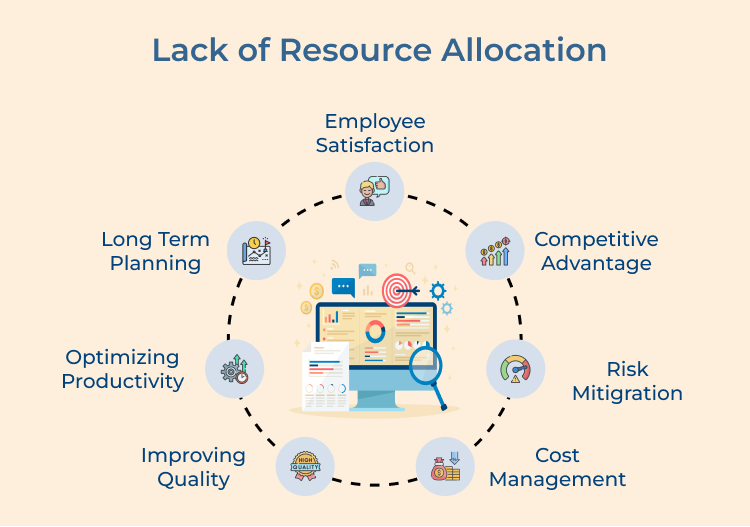
Managing multiple channels requires resources, including manpower and technology. Customer success teams may struggle due to limited resources and find it difficult to effectively engage with customers across all channels.
Solution: Businesses can prioritize channels based on customer preferences and engagement levels. Allocating resources to high-impact channels can help maximize the impact of multi-channel messaging efforts.
Different channels have different regulations and compliance requirements that businesses must adhere to. Failure to comply with these regulations can result in fines and damage to the brand’s reputation.
How to solve: Customer success teams should stay informed about regulations for each channel and implement processes to ensure compliance. Investing in compliance tools and training for team members can help mitigate compliance risks.
Multiple channels come with a wealth of customer data that can provide valuable insights into customer behavior and preferences. However, customer success teams may struggle with managing and analyzing this data effectively.
How to fix: Businesses can implement a CRM system that centralizes customer data from all channels. Analyzing this data can help businesses understand customer needs and tailor messaging accordingly.
Integrating multiple channels can be complex and time-consuming, leading to siloed data customer experiences. Integrating different channels and ensuring they work seamlessly together can be a challenge for businesses.
Solution: Businesses can invest in omnichannel marketing automation tools that streamline communication across channels. These tools enable customer success teams to create personalized and consistent messaging across all channels, enhancing the overall customer experience.
Customer success is an essential aspect of any business, as it directly impacts customer satisfaction and retention. Many companies face challenges in delivering exceptional customer success, but there are always success stories of businesses that have overcome these challenges and achieved impressive results.
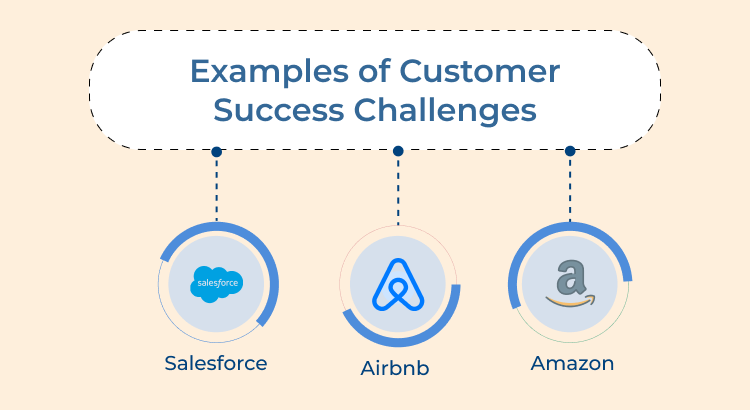
Here are the real-life examples of companies that have successfully overcome customer success challenges:
Salesforce, a leading customer relationship management platform, faced the challenge of handling a rapidly growing customer base while maintaining high levels of customer satisfaction. To address this challenge, Salesforce invested in customer success programs that focus on proactive customer engagement, training and support. By prioritizing customer success, Salesforce has been able to retain customers, drive growth and establish itself as a trusted partner for businesses.
Airbnb, a popular online marketplace for vacation rentals, grappled with the challenge of ensuring the safety and security of its users. To overcome this challenge, Airbnb implemented rigorous screening processes for hosts and guests, as well as a secure payment system. It introduced a host guarantee program to protect hosts in case of property damage. These measures have helped Airbnb build trust with its users and maintain a positive reputation in the sharing economy.
Amazon, the largest e-commerce platform in the world, has faced numerous customer success challenges over the years. One of the key challenges was managing customer expectations and resolving issues related to product quality, delivery, or returns. To overcome these challenges, Amazon implemented a robust customer service infrastructure that includes self-service options, live chat support and a hassle-free return policy.
Addressing customer success challenges is crucial for boosting revenue growth in any business. By focusing on providing exceptional customer service organizations can create loyal customers who are more likely to make repeat purchases and recommend the brand to others.
Investing in customer success not only leads to increased revenue but also improves overall brand reputation and credibility in the market. By making customer success a priority, businesses can achieve sustainable growth and long-term success. It’s essential to put the customer first to sustain in the modern business era.

1. What’s the most challenging thing about working in customer service?
One of the most challenging things about working in customer service is dealing with difficult customers. Whether they are angry, rude or demanding, your job is to remain calm and professional while trying to resolve their issues.
2. What is the biggest challenge in customer success?
The biggest challenge in customer success is ensuring that customers are satisfied with the product or service they have purchased. It involves not only addressing customer complaints and issues but also proactively reaching out to customers to make sure they are happy with their experience.
3. What are the challenges of a customer success manager?
Customer success managers face many challenges, including ensuring that customers are using the product effectively, identifying customer needs, and managing customer relationships to promote long-term loyalty.
4. What are the day-to-day challenges in customer success?
Some day-to-day challenges in customer success include managing a high volume of customer inquiries, resolving customer issues promptly, and tracking customer feedback to identify areas for improvement.
 https://omni24.io/wp-content/uploads/2026/08/AI-Customer-Service-Agents.png
1256
2400
Webvision Solution
https://omni24.io/wp-content/uploads/2023/04/Omni-Logo-1.svg
Webvision Solution2026-09-21 04:48:512026-09-21 04:48:51How to Build an AI Customer Service Agents: 8 Key Steps
https://omni24.io/wp-content/uploads/2026/08/AI-Customer-Service-Agents.png
1256
2400
Webvision Solution
https://omni24.io/wp-content/uploads/2023/04/Omni-Logo-1.svg
Webvision Solution2026-09-21 04:48:512026-09-21 04:48:51How to Build an AI Customer Service Agents: 8 Key Steps https://omni24.io/wp-content/uploads/2026/08/Omnichannel-Conversational-AI.png
1256
2400
Tushar Joshi
https://omni24.io/wp-content/uploads/2023/04/Omni-Logo-1.svg
Tushar Joshi2026-09-16 03:51:072026-09-16 03:51:07How to Build Omnichannel Conversational AI Strategy
https://omni24.io/wp-content/uploads/2026/08/Omnichannel-Conversational-AI.png
1256
2400
Tushar Joshi
https://omni24.io/wp-content/uploads/2023/04/Omni-Logo-1.svg
Tushar Joshi2026-09-16 03:51:072026-09-16 03:51:07How to Build Omnichannel Conversational AI Strategy https://omni24.io/wp-content/uploads/2026/08/Customer-Service-Teams.png
1256
2400
Tushar Joshi
https://omni24.io/wp-content/uploads/2023/04/Omni-Logo-1.svg
Tushar Joshi2026-09-15 04:01:522026-09-15 04:02:16How to Build Customer Service Teams: 6 Key Steps
https://omni24.io/wp-content/uploads/2026/08/Customer-Service-Teams.png
1256
2400
Tushar Joshi
https://omni24.io/wp-content/uploads/2023/04/Omni-Logo-1.svg
Tushar Joshi2026-09-15 04:01:522026-09-15 04:02:16How to Build Customer Service Teams: 6 Key Steps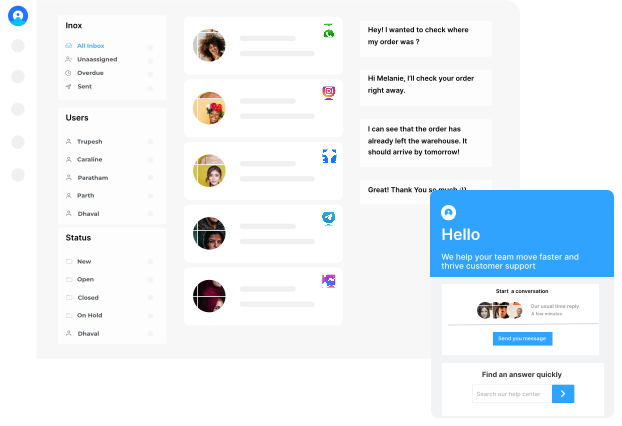
Whether it’s about acquire, engage or support – Omni24 covers all your customer engagement needs in one complete platform.

Copyright ©2026 Veemo All rights reserved.
CA, Los Angeles, Hall Ave, 19011