Customer Acquisition vs Retention: Which is Best For Growth?
Customer acquisition vs retention: both drive growth and long-term value by attracting new customers and nurturing existing relationships.

Customer acquisition vs retention: both drive growth and long-term value by attracting new customers and nurturing existing relationships.
Customer acquisition is the process of attracting new customers to your business, while customer retention involves keeping those customers satisfied and loyal. Both aspects are crucial for sustainable growth and profitability.
Acquiring a new customer can be 5 to 25 times more expensive than retaining an existing customer.
Without a solid customer base, your business may struggle to survive in the market.
Implementing effective marketing strategies and providing exceptional customer service, businesses can build a loyal customer base that will fuel their growth.
Let’s look at some key strategies for acquiring and retaining customers to ensure long-term growth.
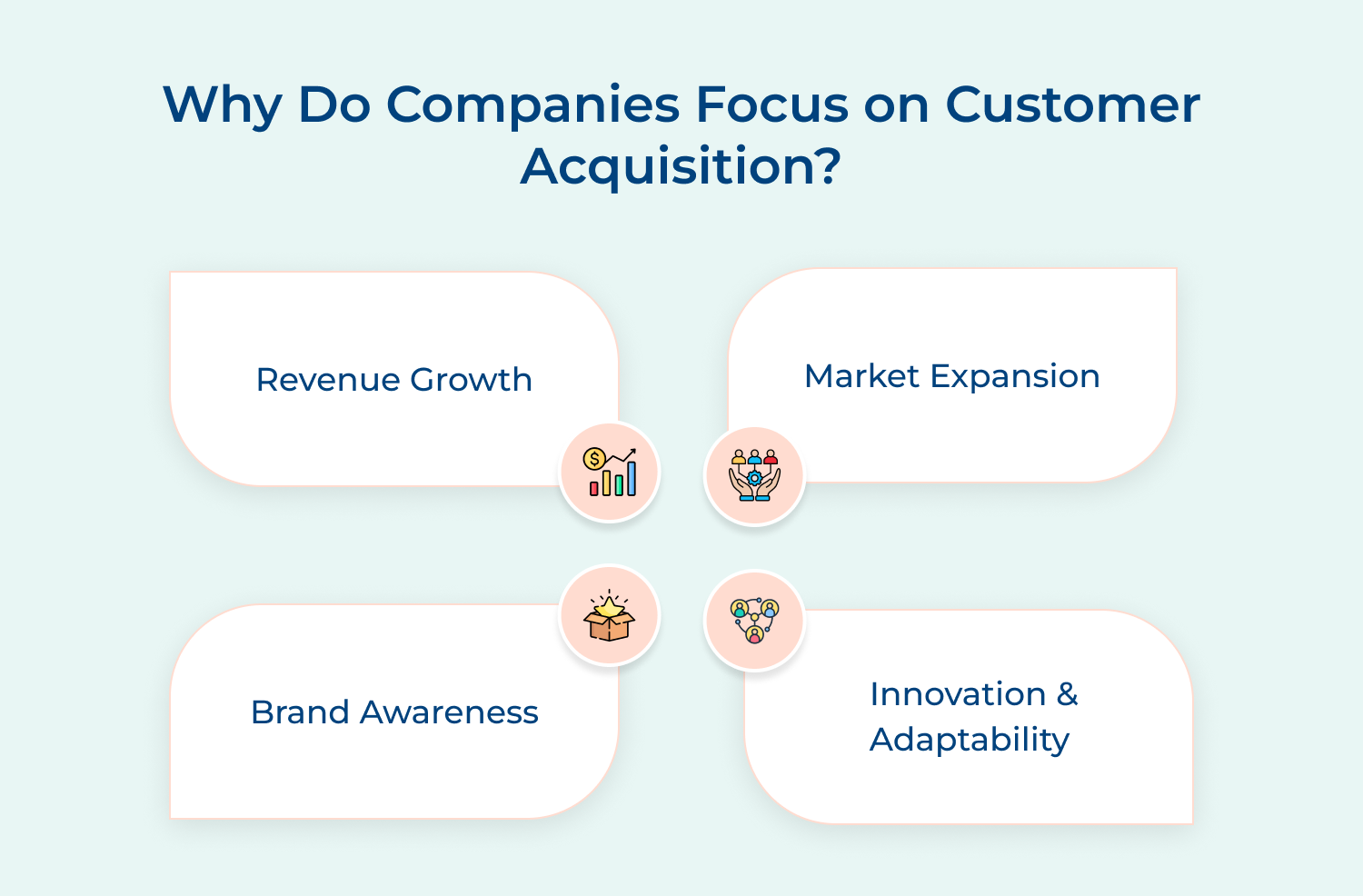
Customer acquisition is the process of gaining new customers for your business or product. It is a crucial aspect of any business, as without customers a business cannot thrive or grow. There are various strategies that businesses use to acquire new customers and it is a constant focus for marketing or sales teams.
One of the primary goals of customer acquisition is to increase the customer base and drive revenue growth. It can be achieved through various methods, such as advertising, marketing campaigns, promotions, referrals, etc. The key is to attract the right customers who are likely to become loyal buyers.
Key objectives:
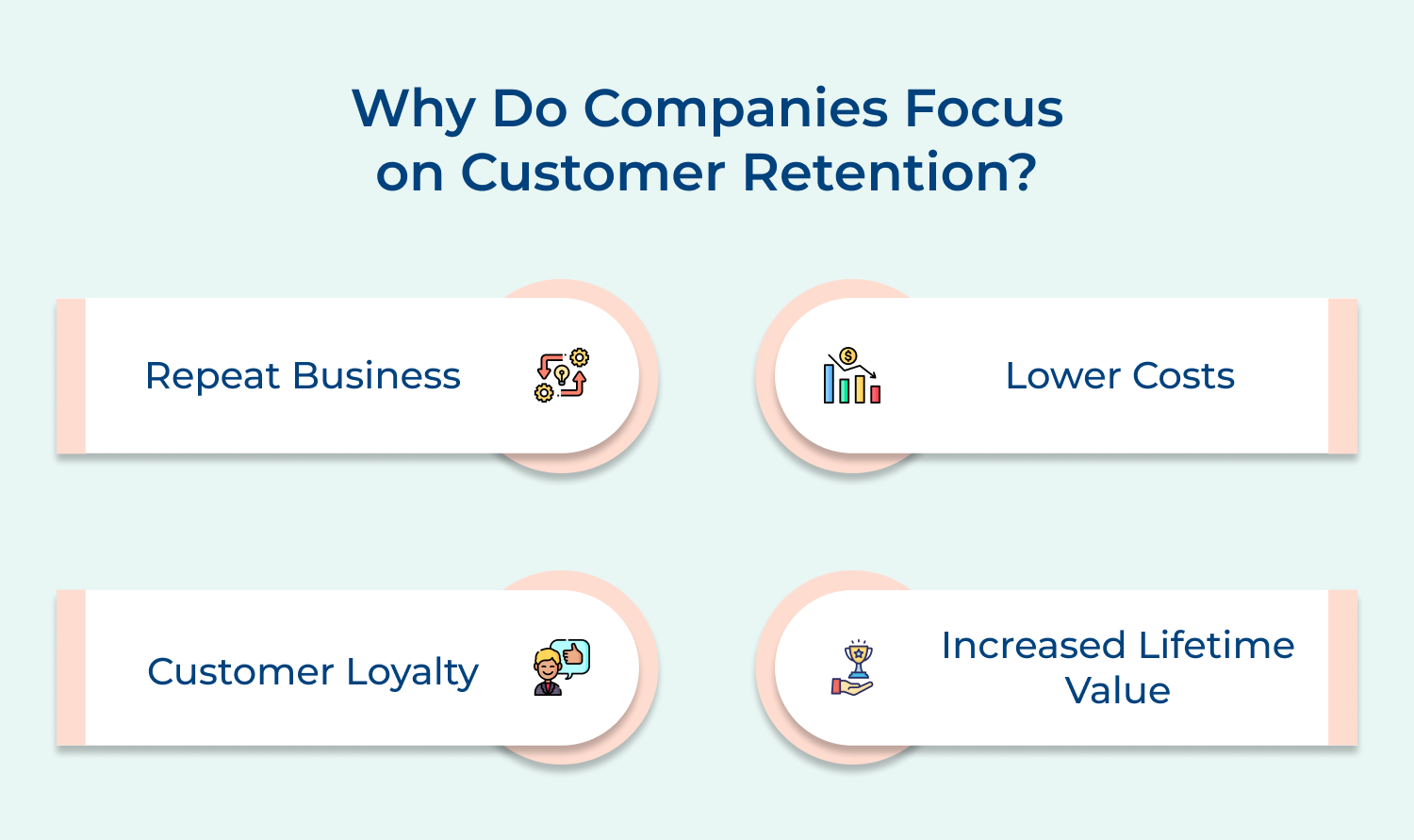
Customer retention is the process of keeping existing customers engaged and satisfied with your product or service in order to encourage them to continue purchasing from your business. It is a crucial aspect of any successful business strategy as it is much more cost-effective to retain existing customers than it is to acquire new ones.
Customer retention involves building strong relationships with your customers by providing excellent customer service, personalized communication and valuable incentives. By focusing on retaining existing customers, businesses can increase customer lifetime value and boost profitability.
Key objectives:
While acquiring new customers is important for business growth, retaining existing customers is equally important. In fact, studies have shown that it costs five times more to acquire a new customer than to retain an existing one.
Customer acquisition is essential for growth and sustainability. While retaining existing customers is important, acquiring new customers is equally crucial for a business to thrive.
Customer acquisition and retention are two key components vital for the growth of a business. They serve different purposes and require different approaches. Explore the key differences between customer acquisition and retention.
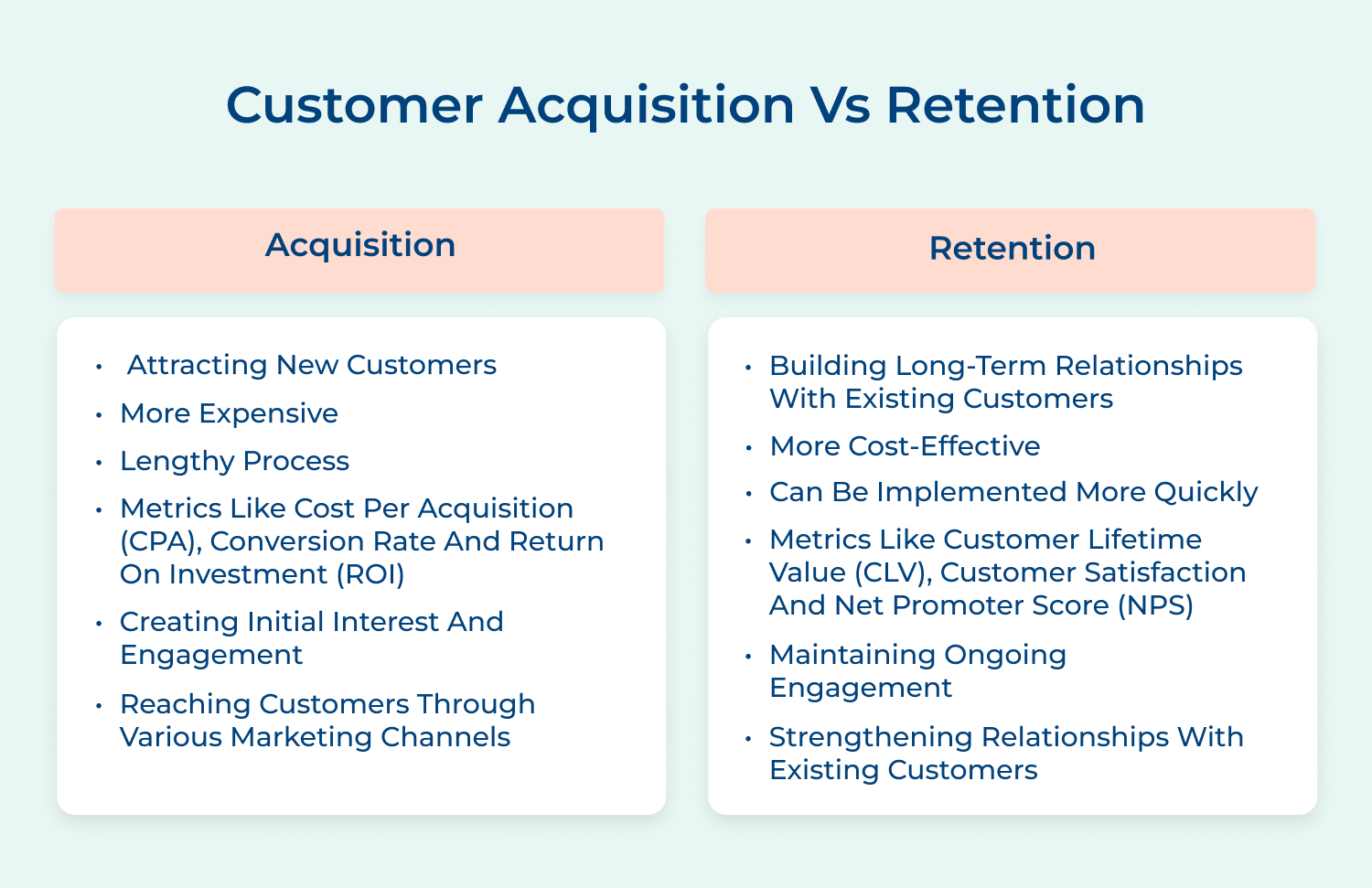
Customer acquisition is centered around attracting new customers and increasing market share. It often involves highlighting the unique selling points of your products or services and convincing prospects to choose your brand over competitors.
Customer retention focuses on building long-term relationships with existing customers and ensuring their satisfaction to encourage repeat business & referrals.
Customer acquisition is generally more expensive than customer retention. It requires significant resources to attract new customers, such as advertising costs, sales team salaries and marketing campaigns.
Customer retention is more cost-effective as it involves building relationships with existing customers through personalized communication and excellent customer service.
Acquiring new customers can be a lengthy process, as businesses must first identify their target audience, create awareness of their brand and convince prospects to make a purchase.
In contrast, customer retention strategies can be implemented more quickly, as businesses already have a relationship with existing customers and can focus on providing value.
Customer acquisition is typically measured by metrics like cost per acquisition (CPA), conversion rate and return on investment (ROI). These metrics help businesses evaluate the effectiveness of their marketing campaigns and sales efforts in attracting new customers.
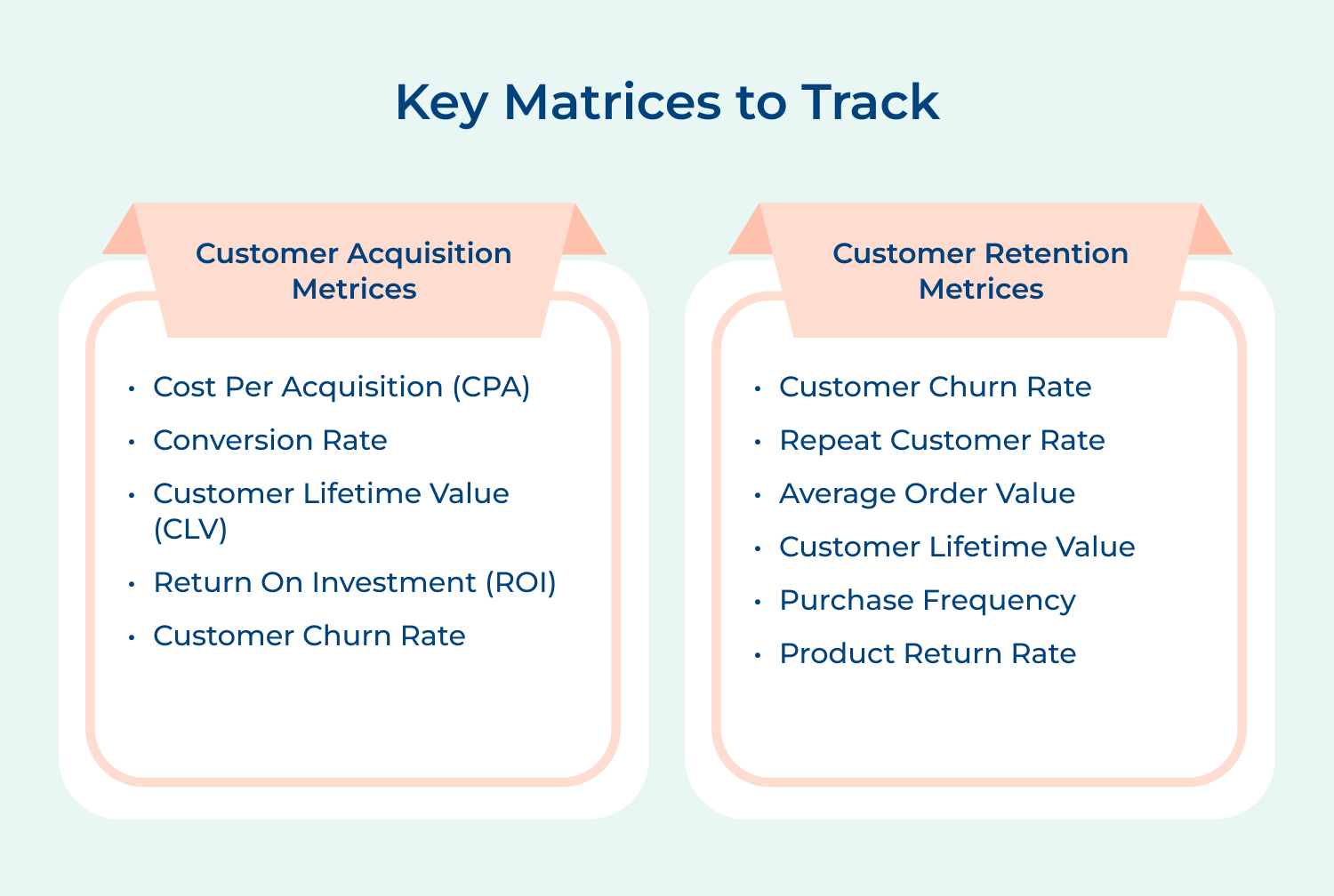
Customer retention is measured by metrics like customer lifetime value (CLV), customer satisfaction and net promoter score (NPS). It helps businesses assess the loyalty and engagement of their existing customer base.
Customer retention focuses on maintaining ongoing engagement with existing customers through personalized communication, loyalty programs and excellent customer service to keep them coming back.
Customer acquisition focuses on creating initial interest and engagement with prospects to drive them towards making a purchase. It can involve targeted advertising, promotions and sales pitches to capture their attention.
Customer acquisition efforts often focus on reaching potential customers through various marketing channels such as social media, search engine optimization and paid advertising. The goal is to generate awareness in your products or services and drive traffic to your website or store.
In contrast, customer retention strategies emphasize building and strengthening relationships with existing customers through personalized communication, customer support.
Customer acquisition and retention are two crucial components of any successful business strategy. While they are different aspects of marketing, they have many similarities.
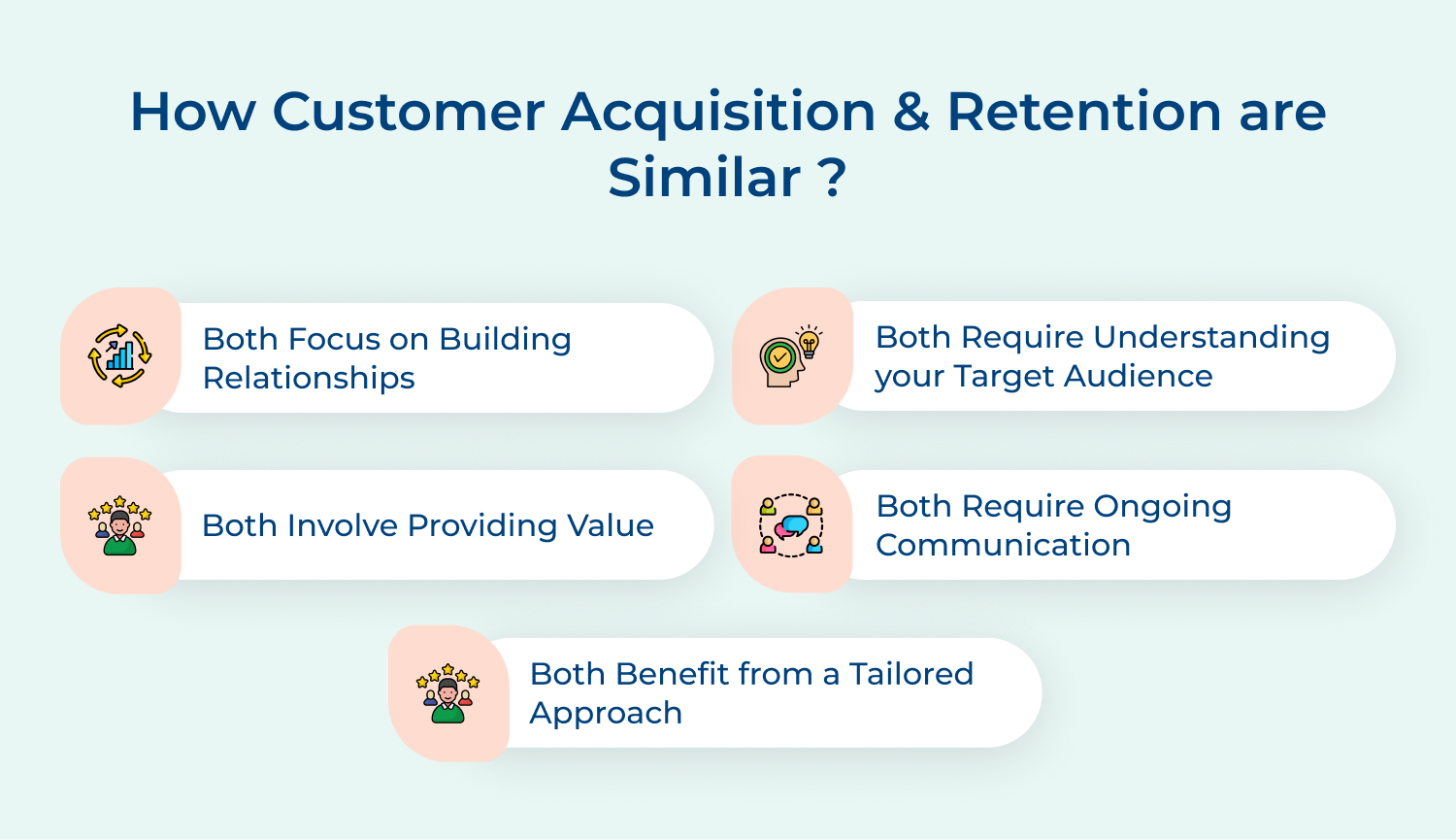
Acquiring new customers is important for growth, while retaining existing customers is crucial for building a loyal customer base and increasing profitability.
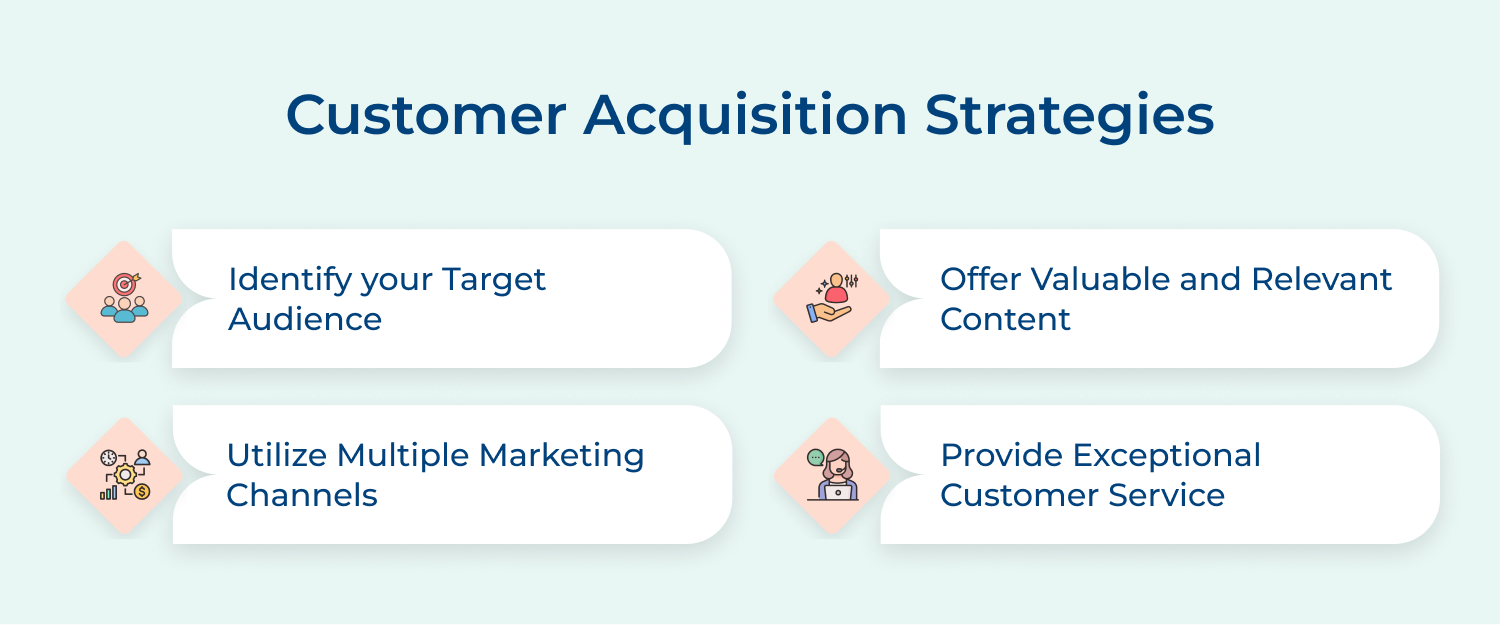
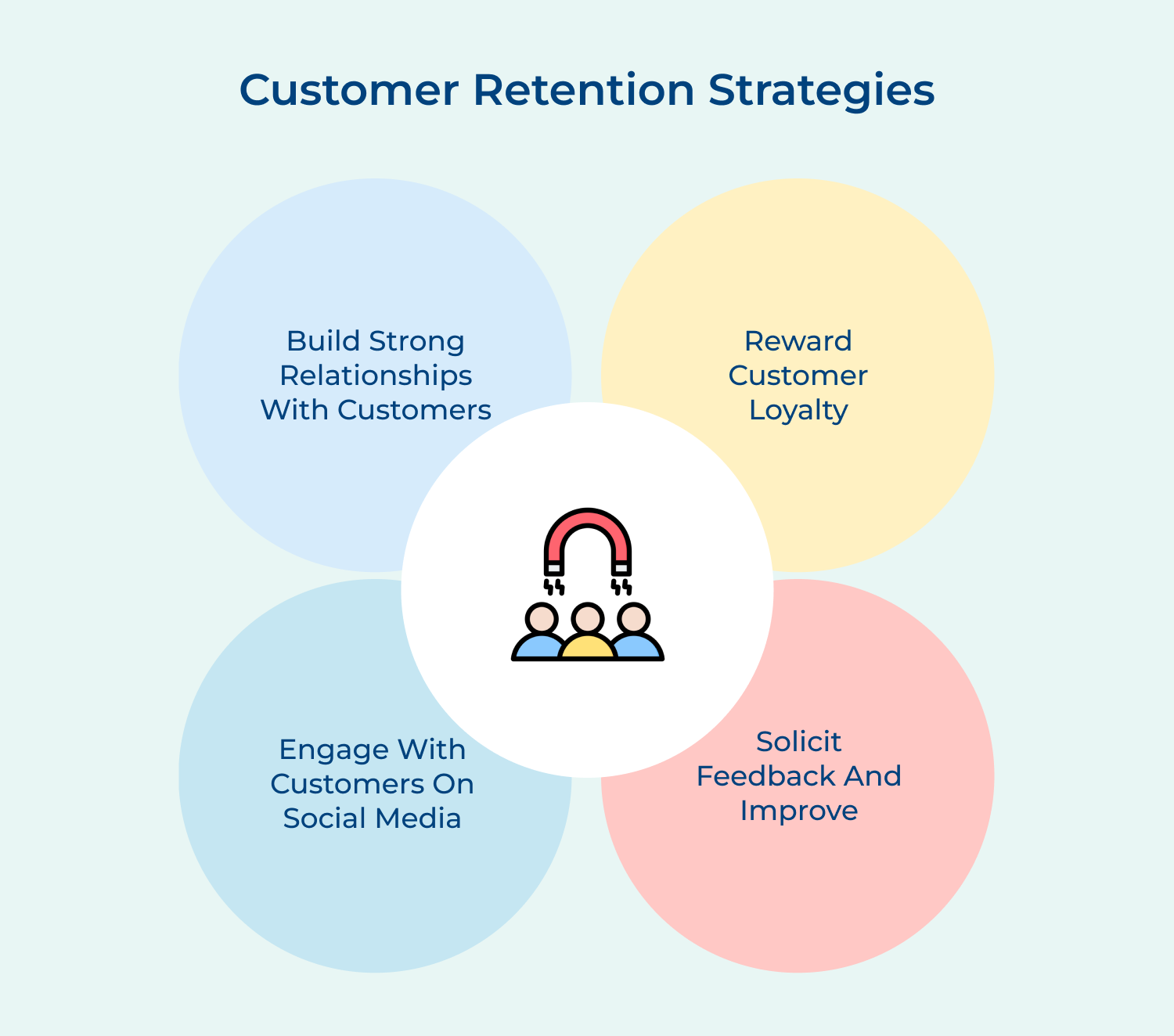
While acquiring new customers is important for growth, retaining existing customers can often be more cost-effective and lead to higher profits in the long run.
Customer Acquisition: Starbucks often attracts new customers through various marketing strategies such as social media campaigns, loyalty programs and seasonal promotions. For example, they may offer a buy-one-get-one-free deal to encourage new customers to try their products.
Customer Retention: Starbucks focuses on retaining customers by providing exceptional customer service, personalized rewards and creating a welcoming environment in their stores. They also have a highly successful loyalty program, Starbucks Rewards, that incentivizes customers to make repeat purchases.
Customer Acquisition: Amazon utilizes targeted advertising, affiliate marketing and email campaigns to acquire new customers. They may offer discounts to first-time buyers or promote new products to attract new customers to their platform.
Customer Retention: Amazon excels at customer retention by offering fast shipping, excellent customer service and a seamless shopping experience. They also use personalized recommendations and email marketing to encourage repeat purchases from existing customers.
Customer Acquisition: Spotify acquires new customers through free trials, partnerships with other brands and targeted ads on social media platforms. They may offer a limited-time discount to entice new users to sign up for their premium subscription service.
Customer Retention: Spotify focuses on retaining customers by offering personalized playlists, exclusive content and tailored recommendations based on user preferences. They also engage with their customers through social media and email campaigns to keep them coming back for more.
In conclusion, acquiring and retaining customers is crucial for long term growth in any business. By focusing on building strong relationships with customers, providing exceptional customer service and delivering high-quality products or services, businesses can ensure customer loyalty or repeat business.
Investing in digital marketing strategies and utilizing data analytics can help businesses identify their ideal customer base, leading to increased sales and sustained growth. By continuously improving their customer acquisition and retention strategies, businesses can secure their success in the competitive market.

Why is retention better than acquisition?
Retention is better than acquisition because it focuses on building relationships with existing customers who are already familiar with your brand and products. Retained customers are more likely to make repeat purchases, refer others to your business and provide valuable feedback. The cost of acquiring a new customer is significantly higher and there is no guarantee that they will become loyal customers in the future.
Why is customer retention cheaper than customer acquisition?
Customer retention is cheaper than customer acquisition because it requires fewer resources and marketing efforts. Retained customers are already familiar with your brand, products and services, so they are more likely to make repeat purchases without the need for extensive marketing campaigns. On the other hand, acquiring a new customer involves various expenses such as advertising, promotions and discounts to attract their attention them to try your products or services.
Why is customer acquisition important?
Customer acquisition is important for business growth and expansion. Acquiring new customers helps increase sales, expand market reach and establish a broader customer base. However, it is essential to balance customer acquisition efforts with customer retention strategies to ensure long-term success and profitability.
What is the role of CRM in customer retention?
Customer Relationship Management (CRM) plays a crucial role in customer retention by helping businesses track and manage customer interactions. CRM software allows companies to store customer data, analyze buying patterns and tailor marketing campaigns to target specific customer segments. By using CRM tools effectively, businesses can strengthen customer relationships, personalize communication and provide better customer service, leading to increased loyalty.
 https://omni24.io/wp-content/uploads/2026/08/AI-Customer-Service-Agents.png
1256
2400
Webvision Solution
https://omni24.io/wp-content/uploads/2023/04/Omni-Logo-1.svg
Webvision Solution2026-09-21 04:48:512026-09-21 04:48:51How to Build an AI Customer Service Agents: 8 Key Steps
https://omni24.io/wp-content/uploads/2026/08/AI-Customer-Service-Agents.png
1256
2400
Webvision Solution
https://omni24.io/wp-content/uploads/2023/04/Omni-Logo-1.svg
Webvision Solution2026-09-21 04:48:512026-09-21 04:48:51How to Build an AI Customer Service Agents: 8 Key Steps https://omni24.io/wp-content/uploads/2026/08/Omnichannel-Conversational-AI.png
1256
2400
Tushar Joshi
https://omni24.io/wp-content/uploads/2023/04/Omni-Logo-1.svg
Tushar Joshi2026-09-16 03:51:072026-09-16 03:51:07How to Build Omnichannel Conversational AI Strategy
https://omni24.io/wp-content/uploads/2026/08/Omnichannel-Conversational-AI.png
1256
2400
Tushar Joshi
https://omni24.io/wp-content/uploads/2023/04/Omni-Logo-1.svg
Tushar Joshi2026-09-16 03:51:072026-09-16 03:51:07How to Build Omnichannel Conversational AI Strategy https://omni24.io/wp-content/uploads/2026/08/Customer-Service-Teams.png
1256
2400
Tushar Joshi
https://omni24.io/wp-content/uploads/2023/04/Omni-Logo-1.svg
Tushar Joshi2026-09-15 04:01:522026-09-15 04:02:16How to Build Customer Service Teams: 6 Key Steps
https://omni24.io/wp-content/uploads/2026/08/Customer-Service-Teams.png
1256
2400
Tushar Joshi
https://omni24.io/wp-content/uploads/2023/04/Omni-Logo-1.svg
Tushar Joshi2026-09-15 04:01:522026-09-15 04:02:16How to Build Customer Service Teams: 6 Key Steps
Whether it’s about acquire, engage or support – Omni24 covers all your customer engagement needs in one complete platform.

Copyright ©2026 Veemo All rights reserved.
CA, Los Angeles, Hall Ave, 19011