How to Improve Customer Journey Stages Step by Step
Discover the seven customer journey stages, key differences in b2b vs b2c, best practices and strategies to optimize experiences.
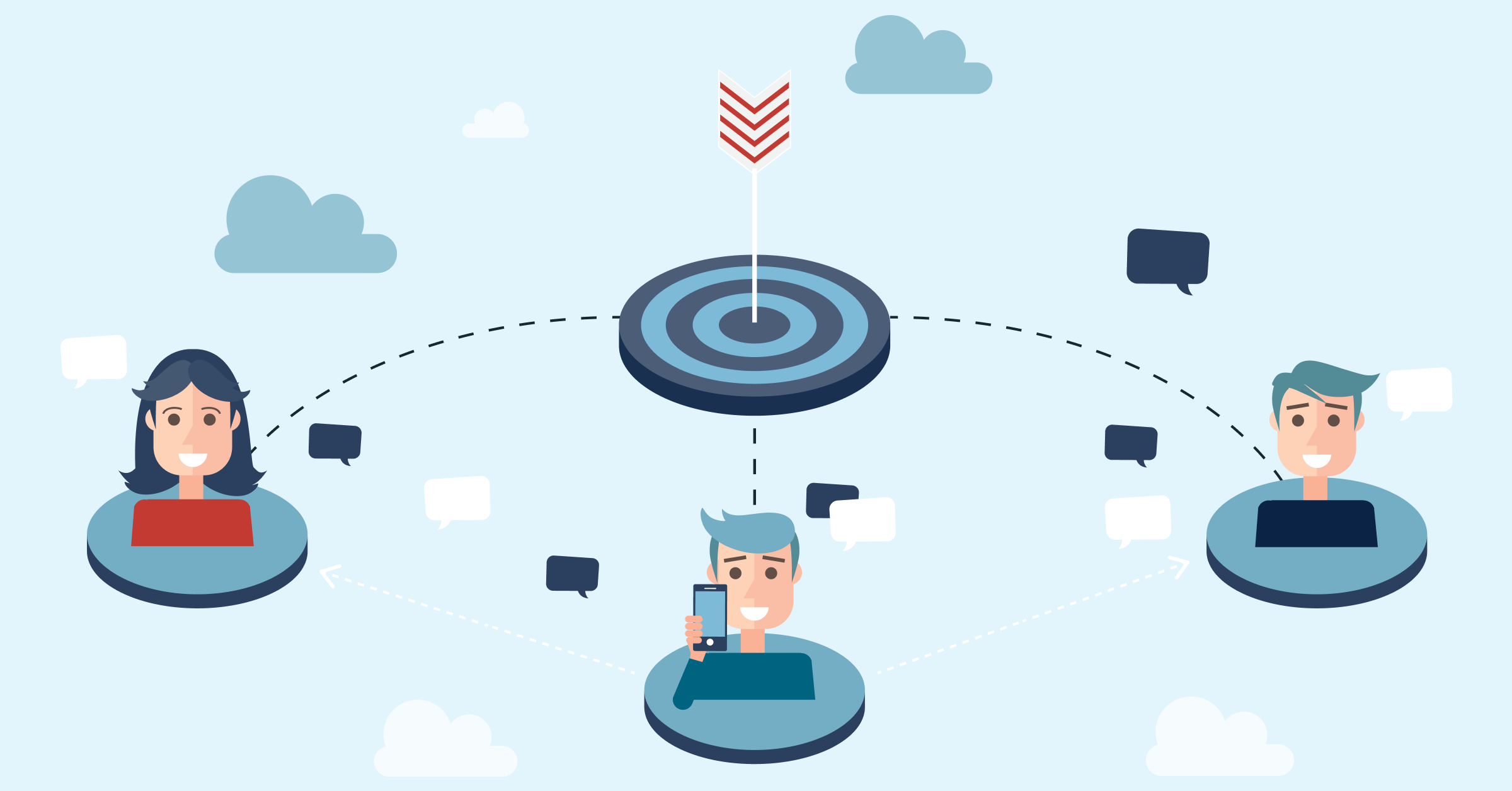
Discover the seven customer journey stages, key differences in b2b vs b2c, best practices and strategies to optimize experiences.
Thinking about the customer journey can feel overwhelming — but it’s super important. Each stage has its own challenges. If we ignore them, customers get frustrated, opportunities slip away and sales suffer.
Did you know 80% of customers say their experience with a company is just as important as the product itself? Or that 73% will switch to a competitor after having multiple bad interactions?
What helps is spotting the pain points in each stage and applying smart fixes. That makes the path from “just knowing you” to “loving you” much smoother, making customers happier. Let’s dive into these essential stages.
Customer journey stages represent the sequential phases a customer experiences when interacting with a brand, from initial awareness to post-purchase engagement. These stages map out the entire customer lifecycle, encompassing various touchpoints and interactions across different channels.
Understanding customer journey stages enables companies to identify pain points, streamline processes and create targeted interventions at each stage. This knowledge allows for personalized communication, improved product development and increased customer satisfaction, ultimately leading to higher retention rates as well as brand loyalty.
Key objectives:
Understanding the customer journey stages is essential for optimizing customer experiences and driving business success. Here’s why they matter.

Knowing the stages of the customer journey helps businesses tailor strategies effectively. Here are the stages:

The awareness stage is where everything begins. Here, customers realize they have a problem or need and discover your brand as a possible solution. Without it, they may never know you exist.
This stage is your chance to introduce your brand and highlight what makes you different. By sharing clear, engaging content through the right channels, you can grab attention, spark interest and show why your product or service is worth considering.
Actionable tips:
The consideration stage is when customers weigh their options. They’re comparing your solution with competitors and looking for details to see if you’re the right fit. Skip this stage and they might choose elsewhere without fully seeing your value.
For businesses, it’s the moment to share in-depth info, highlight unique features and clear up concerns. With tailored content and personal communication, you can build trust as well as guide prospects toward picking your solution.
Actionable tips:
The decision stage is where customers are ready to buy. They’ve compared options and just need that final push to choose your brand. Miss it and they may switch to a competitor.
At this point, businesses should remove doubts, highlight clear benefits and make buying easy. Offering deals, guarantees or smooth checkout experiences can seal the decision. By reducing barriers, you turn intent into conversions.
Actionable tips:
The purchase stage is where action happens, customers finally buy your product or service. It’s the result of every step before and directly drives revenue. But if the process is clunky, you can lose them right at the finish line.
This stage is your chance to make buying simple and reassuring. Provide clear transaction details, set expectations and reinforce their decision. A smooth, positive purchase experience not only boosts satisfaction but also lays the foundation for future loyalty.
Actionable tips:
The post-purchase stage is all about keeping customers happy and building long-term relationships. This is when they judge whether their experience met expectations. If ignored, it can lead to frustration, bad reviews and lost repeat business.
For businesses, this stage is a chance to deliver great support, collect feedback and show ongoing value. By focusing on the experience after the sale, you can turn buyers into loyal customers who leave positive reviews, share referrals and come back for more.
Actionable tips:

The retention stage is about keeping customers engaged and loyal. It’s far cheaper to retain existing customers than win new ones and strong retention directly boosts lifetime value. Without it, you risk churn while losing loyal buyers to competitors.
Here is your chance to nurture relationships by offering ongoing value, meeting changing needs and showing appreciation. When you focus on customer success as well as consistently deliver more than expected, you build trust, reduce churn and create a steady revenue base that fuels long-term growth.
Actionable tips:
The advocacy stage taps into the power of word-of-mouth. Happy customers can become your strongest promoters, influencing others while providing social proof. Ignore this and you lose out on one of the most cost-effective growth drivers.
This is the time to encourage customers to share their positive experiences. Ask for reviews, highlight testimonials and make referrals easy. By recognizing and rewarding loyal advocates, you amplify your reach, attract new prospects, as well as strengthen your brand’s credibility.
Actionable tips:
B2B and B2C strategies differ significantly in approach when it comes to customer journey stages. Here are the key differences you should know of:

Decision-Making Complexity
B2B purchases are usually more complex than B2C. Multiple stakeholders are involved, each with their own priorities, which can lead to longer reviews, formal proposals and extended negotiations.
B2C decisions are often quicker, driven by personal preference or emotion, with fewer decision-makers.
Length Of The Sales Cycle
B2B sales cycles are longer due to bigger investments and higher-stakes decisions, often lasting months or even years with multiple touchpoints.
B2C cycles are shorter, sometimes completed in minutes or days, which changes how businesses nurture leads and maintain engagement.
Relationship Focus
B2B journeys emphasize long-term relationships, trust and expertise with stages like account management as well as ongoing support.
B2C focuses more on immediate transactions, brand loyalty and quick wins.
Content and Information Needs
B2B buyers need detailed, technical content, case studies and ROI insights to make informed choices.
B2C buyers respond more to emotional appeals, lifestyle benefits as well as simple product information.
Post-Purchase Engagement
B2B post-purchase often involves implementation, training, support and account management, ensuring long-term success.
B2C focuses more on satisfaction, reviews and encouraging repeat purchases through marketing rather than hands-on support.
Implementing effective strategies at every stage of the customer journey is crucial for enhancing satisfaction and loyalty. Here are the best practices:

AI significantly enhances the customer journey by providing insights, personalizing interactions and optimizing processes. Here are the key roles to know:

AI helps turn huge amounts of customer data into clear, actionable insights. Machine learning can spot patterns and trends across multiple touchpoints that humans might miss. This gives businesses a deeper understanding of customer behavior, preferences and pain points, helping improve strategies as well as overall experiences.
AI makes communication highly personal, even at scale. By analyzing individual customer data, it can tailor messages, offers and recommendations. Chatbots and virtual assistants using AI as well as NLP can interact naturally, providing 24/7 support. Personalized experiences like this boost engagement, conversions and brand loyalty.
AI can simplify customer journey mapping. It identifies key touchpoints, analyzes interactions and visualizes journey paths automatically. This dynamic mapping helps businesses quickly adapt to changing behaviors and predict the best paths for different customer segments.
AI takes segmentation beyond basic demographics. It finds subtle patterns in behavior and preferences to create micro-segments. It lets businesses target marketing more precisely and offer personalized experiences at every stage of the journey.
AI predicts customer needs and behaviors, helping businesses act proactively. It can forecast churn, spot upsell opportunities as well as anticipate trends. This foresight allows companies to intervene at the right moments, improve experiences and maximize customer lifetime value.
Understanding the customer journey stages is vital for creating meaningful connections with your audience. Each phase, from awareness to post-purchase, presents unique opportunities and challenges that can significantly impact customer satisfaction.
Implementing tailored strategies at each stage enhances the overall experience, addressing pain points and building engagement. This proactive approach not only helps in building lasting relationships but also drives business growth.
Continuous evaluation and adaptation of these strategies will ensure that your business remains responsive to customer needs. Ultimately, leading to improved retention and advocacy. Prioritizing the customer journey is essential for long-term success.

Why is understanding customer journey stages important for businesses?
Understanding customer journey stages allows businesses to tailor their approach at each touchpoint, creating more relevant and effective interactions. It helps in identifying opportunities for improvement, personalizing communications and allocating resources efficiently. This understanding enables companies to anticipate customer needs, reduce friction and create experiences that drive conversions as well as build long-term loyalty.
How do customer journey stages differ across industries?
Customer journey stages vary across industries due to differences in product complexity, purchase frequency and decision-making processes. For example, B2B industries often have longer consideration stages and more complex decision-making processes. Retail might focus more on repeat purchases, while healthcare may emphasize long-term patient relationships and ongoing care stages.
What role do customer journey stages play in marketing strategies?
Customer journey stages guide marketing strategies by informing content creation, channel selection and messaging for each stage. They help marketers deliver the right message at the right time, aligning marketing efforts with customer needs and intentions. This stage-based approach improves targeting, increases engagement while enhancing the overall effectiveness of marketing campaigns.
How can businesses identify and map out customer journey stages?
Businesses can identify and map customer journey stages through various methods: analyzing customer data, conducting surveys as well as interviews, creating buyer personas, tracking online behavior, all while gathering feedback from customer-facing employees. Tools like customer journey mapping software can help visualize these stages and identify key touchpoints as well as opportunities for improvement.
What are the common challenges in optimizing customer journey stages?
Common challenges in optimizing customer journey stages include: maintaining consistency across multiple channels, accurately attributing customer actions to specific touchpoints, adapting to rapidly changing customer expectations, integrating data from various sources, balancing personalization with privacy concerns and ensuring cross-departmental collaboration to deliver a unified customer experience throughout all stages of the journey.
 https://omni24.io/wp-content/uploads/2026/07/Customer-Data-Platform.png
1256
2400
Tushar Joshi
https://omni24.io/wp-content/uploads/2023/04/Omni-Logo-1.svg
Tushar Joshi2026-07-08 03:58:592026-07-08 03:58:59How a Customer Data Platform Unlocks Unified Customer Insights
https://omni24.io/wp-content/uploads/2026/07/Customer-Data-Platform.png
1256
2400
Tushar Joshi
https://omni24.io/wp-content/uploads/2023/04/Omni-Logo-1.svg
Tushar Joshi2026-07-08 03:58:592026-07-08 03:58:59How a Customer Data Platform Unlocks Unified Customer Insights https://omni24.io/wp-content/uploads/2026/07/Unified-Customer-View.png
1256
2400
Tushar Joshi
https://omni24.io/wp-content/uploads/2023/04/Omni-Logo-1.svg
Tushar Joshi2026-07-07 03:37:342026-07-07 03:37:34How a Unified Customer View Transforms Customer Experience
https://omni24.io/wp-content/uploads/2026/07/Unified-Customer-View.png
1256
2400
Tushar Joshi
https://omni24.io/wp-content/uploads/2023/04/Omni-Logo-1.svg
Tushar Joshi2026-07-07 03:37:342026-07-07 03:37:34How a Unified Customer View Transforms Customer Experience https://omni24.io/wp-content/uploads/2026/06/Omnichannel-CRM.png
1256
2400
Tushar Joshi
https://omni24.io/wp-content/uploads/2023/04/Omni-Logo-1.svg
Tushar Joshi2026-07-06 03:49:012026-07-06 04:00:22How to Implement Omnichannel CRM Strategy: 7 Key Steps
https://omni24.io/wp-content/uploads/2026/06/Omnichannel-CRM.png
1256
2400
Tushar Joshi
https://omni24.io/wp-content/uploads/2023/04/Omni-Logo-1.svg
Tushar Joshi2026-07-06 03:49:012026-07-06 04:00:22How to Implement Omnichannel CRM Strategy: 7 Key Steps
Whether it’s about acquire, engage or support – Omni24 covers all your customer engagement needs in one complete platform.

Copyright ©2026 Veemo All rights reserved.
CA, Los Angeles, Hall Ave, 19011