How to Write Effective Customer Service Emails: 5 Templates
Customer service emails resolve issues, deliver timely support and build trust through clear, professional communication.
Customer service emails resolve issues, deliver timely support and build trust through clear, professional communication.
Effective customer communication is key to business success. Email templates offer a convenient way to streamline your customer service processes, ensuring timely responses to inquiries and concerns.
About 90% of customers consider an immediate response to be important when seeking customer support. Specifically, 60% define “immediate” as a response within 10 minutes or less.
Whether you are a small startup or a large corporation, utilizing email templates can help enhance your customer service communication and build stronger relationships with your clients.
Let us explore the benefits of using customer service email templates and provide tips on how to implement them effectively in your business.
Customer service emails are an integral part of any business’s support strategy. These emails are used to communicate with customers who have questions, concerns or feedback about a product/service. They play a crucial role in building strong customer relationships.
Email customer service can cover a wide range of topics, such as answering queries about a product, resolving technical issues, addressing complaints or simply thanking a customer for their feedback. These emails are usually sent in response to customer inquiries submitted through a company’s website, social media platforms or other communication channels.
Key features:
Customer support emails are a crucial aspect of any business’s communication strategy. They provide a direct line of communication between a company and its clients, allowing quick response.
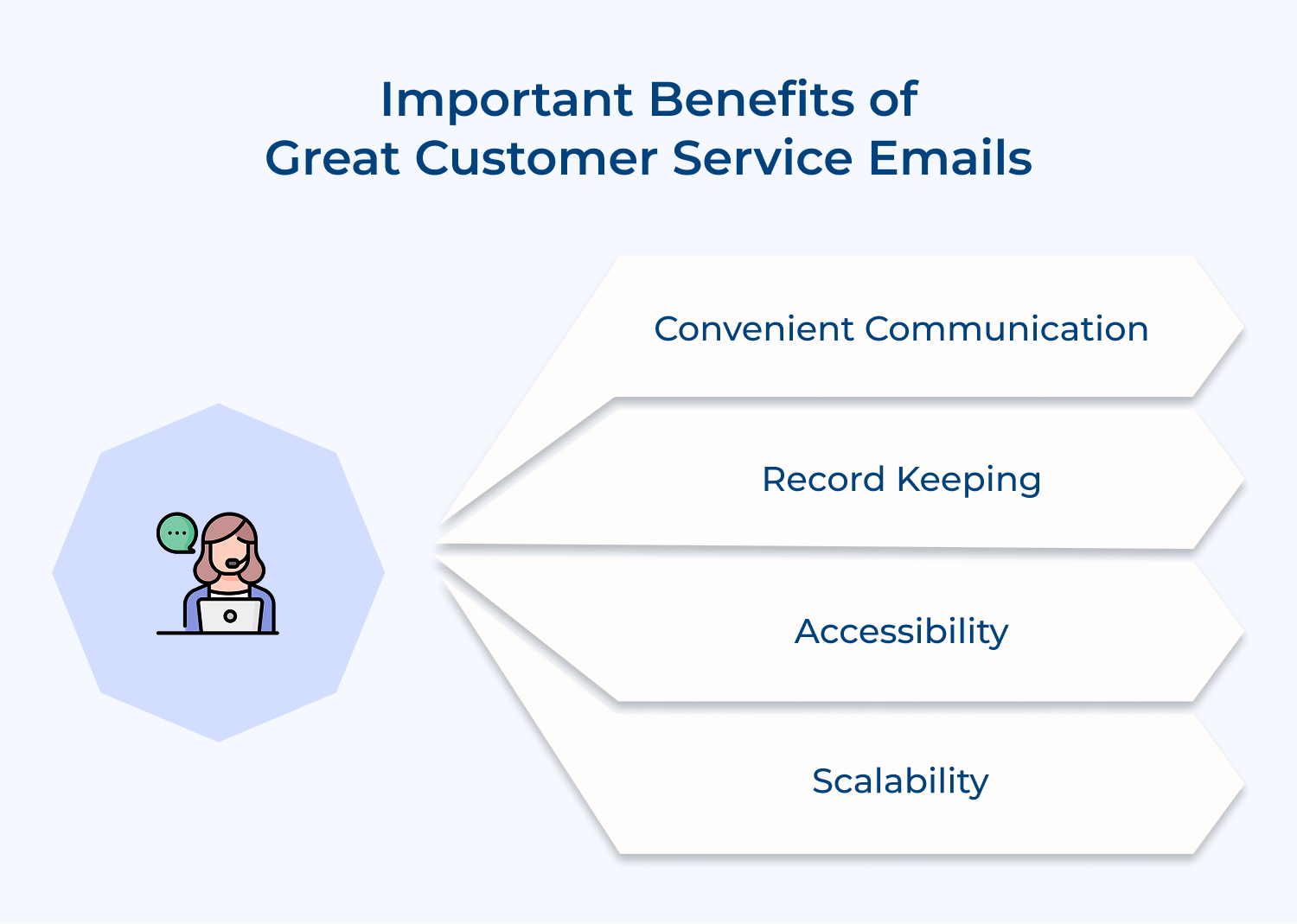
In order to ensure that your customers feel heard, valued and satisfied with their business interactions, it is important to have effective email templates ready for various situations.
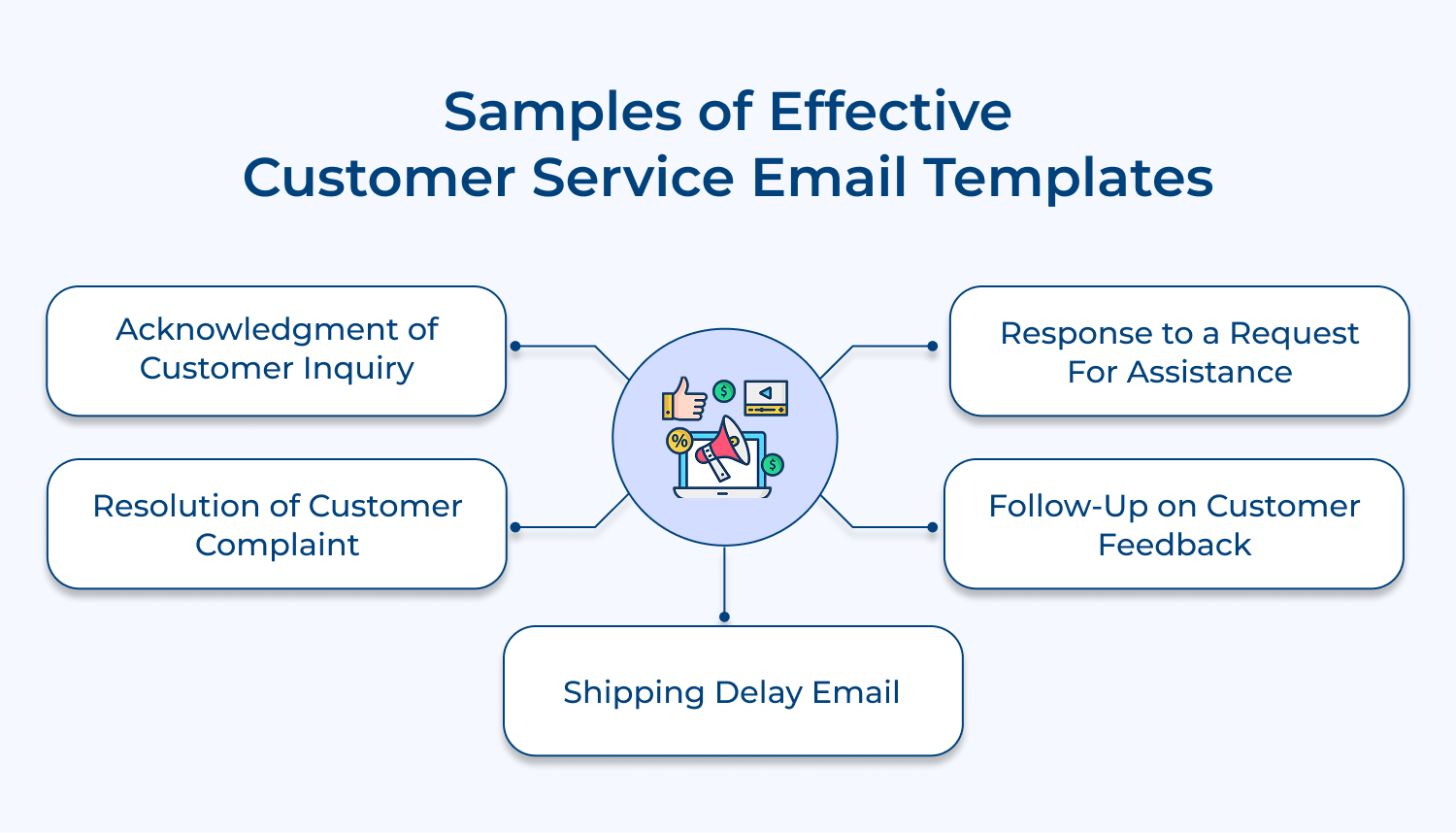
Subject: Thank You for Reaching Out
Dear [Customer’s Name],
Thank you for contacting us with your inquiry. We have received your message and our team is working on finding a solution for you. We will get back to you as soon as possible with the information you need. In the meantime, feel free to reach out if you have any further questions or concerns.
Best regards,
[Your Name]
[Your Title]
[Your Company]
Tip: Be prompt in acknowledging customer inquiries to show that you value their time and are committed to providing timely responses.
Subject: Resolution of Your Complaint
Dear [Customer’s Name],
We apologize for any inconvenience you may have experienced. Our team has investigated the issue you raised and we have implemented a solution to resolve it. We appreciate your feedback and thank you for bringing this to our attention. If you have any more concerns, please do not hesitate to contact us.
Sincerely,
[Your Name]
[Your Title]
[Your Company]
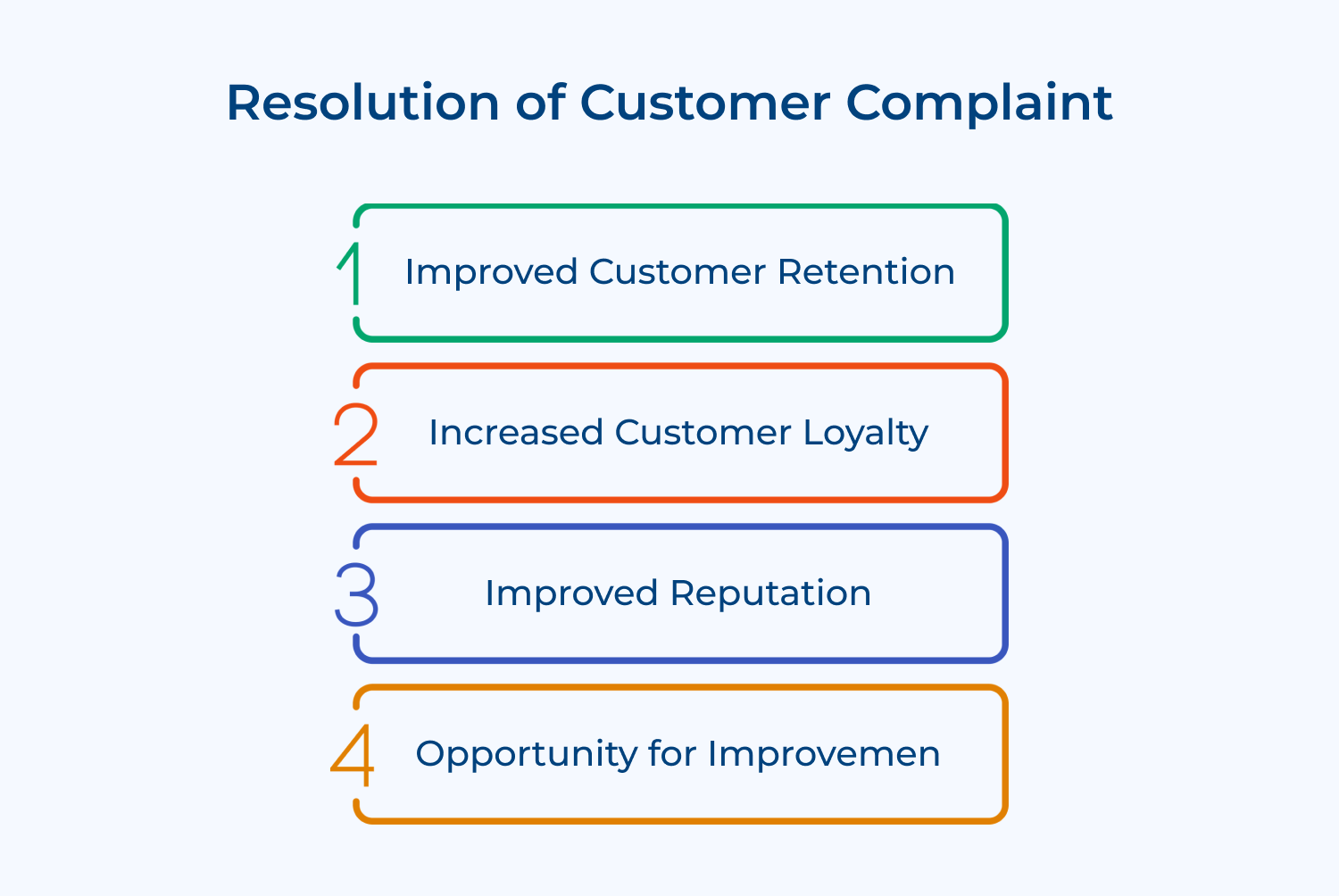
Tip: Acknowledge the customer’s complaint, take ownership of the issue and provide a clear resolution to show that you are dedicated to customer satisfaction.
Subject: Assistance with Your Request
Dear [Customer’s Name],
Thank you for reaching out to us for assistance. We are here to help you with your request and will do everything we can to provide the information or support you need. Please let us know how we can assist you further.
Best regards,
[Your Name]
[Your Title]
[Your Company]
Tip: Show empathy and provide personalized solutions to demonstrate that you are committed to meeting the customer’s needs.
Subject: Thank You for Your Feedback
Dear [Customer’s Name],
Thank you for taking the time to provide us with your feedback. We value your input and will use it to improve our products/services. Your satisfaction is our top priority and we appreciate your loyalty. If you have any more feedback or suggestions, please feel free to share them with us.
Warm regards,
[Your Name]
[Your Title]
[Your Company]
Tip: Acknowledge and thank the customer for their feedback, show that you are listening or willing to make improvements based on their suggestions.
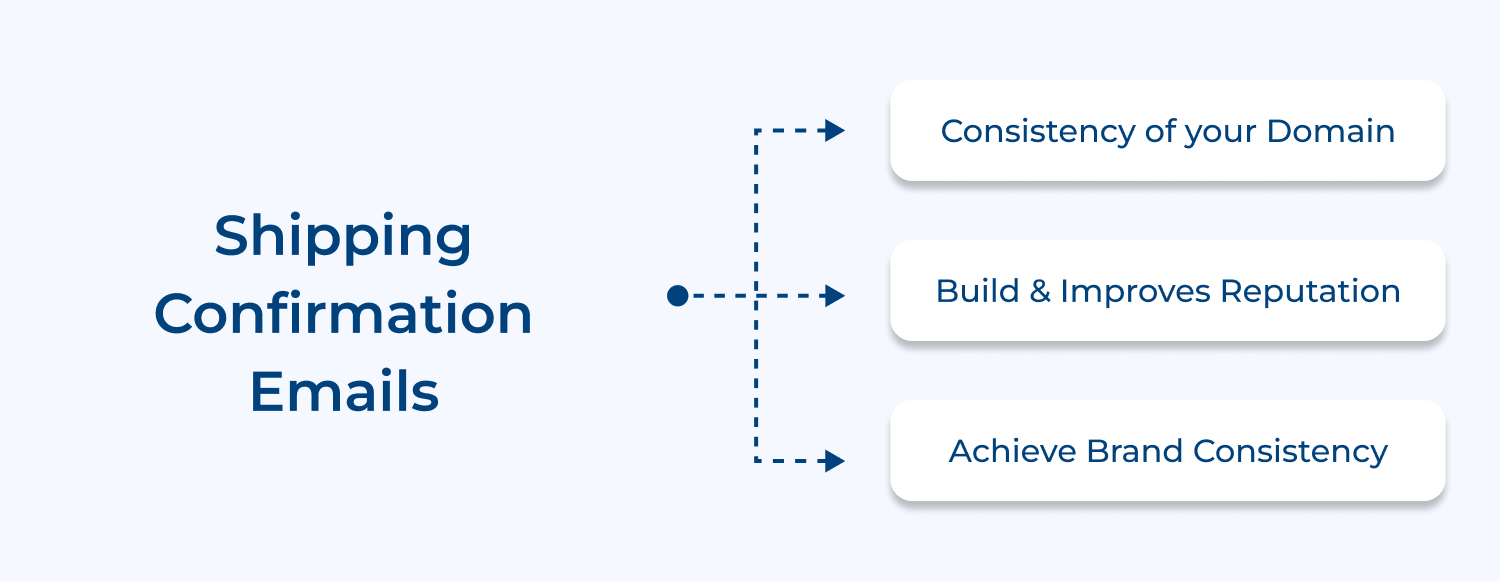
Subject: Notification of Shipping Delay
Dear [Customer’s Name],
We regret to inform you that there has been a delay in the shipment of your order. We apologize for any inconvenience this may cause and assure you that we are working hard to expedite the process. We will keep you updated on the status of your order and appreciate your patience.
Sincerely,
[Your Name]
[Your Title]
[Your Company]
Tip: Be transparent about any delays or issues with shipping, apologize for the inconvenience and provide regular updates to keep the customer informed.
Writing effective customer service emails is crucial for maintaining a positive relationship with your customers and ensuring their satisfaction.
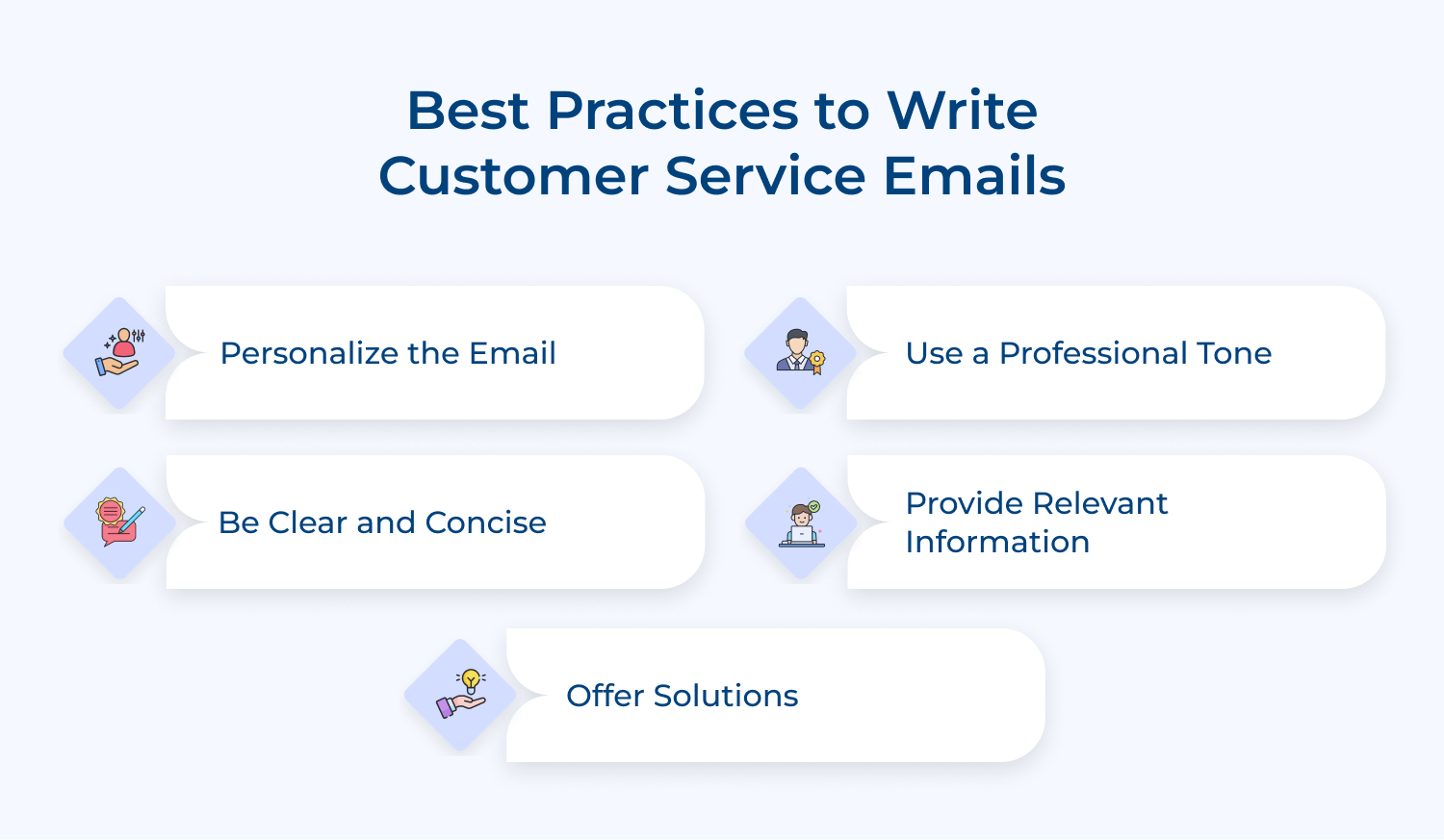
Start your email by addressing the customer by their name. Personalizing the email shows the customer that you value them as an individual and not just another number. It also helps to establish a more personal connection with them.
Instead of starting your email with a generic greeting like “Dear Customer,” personalize it by using the customer’s name. For example, you could start your email with “Dear [Customer’s Name],”
Customers often reach out to customer service because they have a problem or a question that needs to be addressed quickly. Make sure your email is clear, concise and to the point. Avoid using technical jargon or complex language that might confuse the customer.
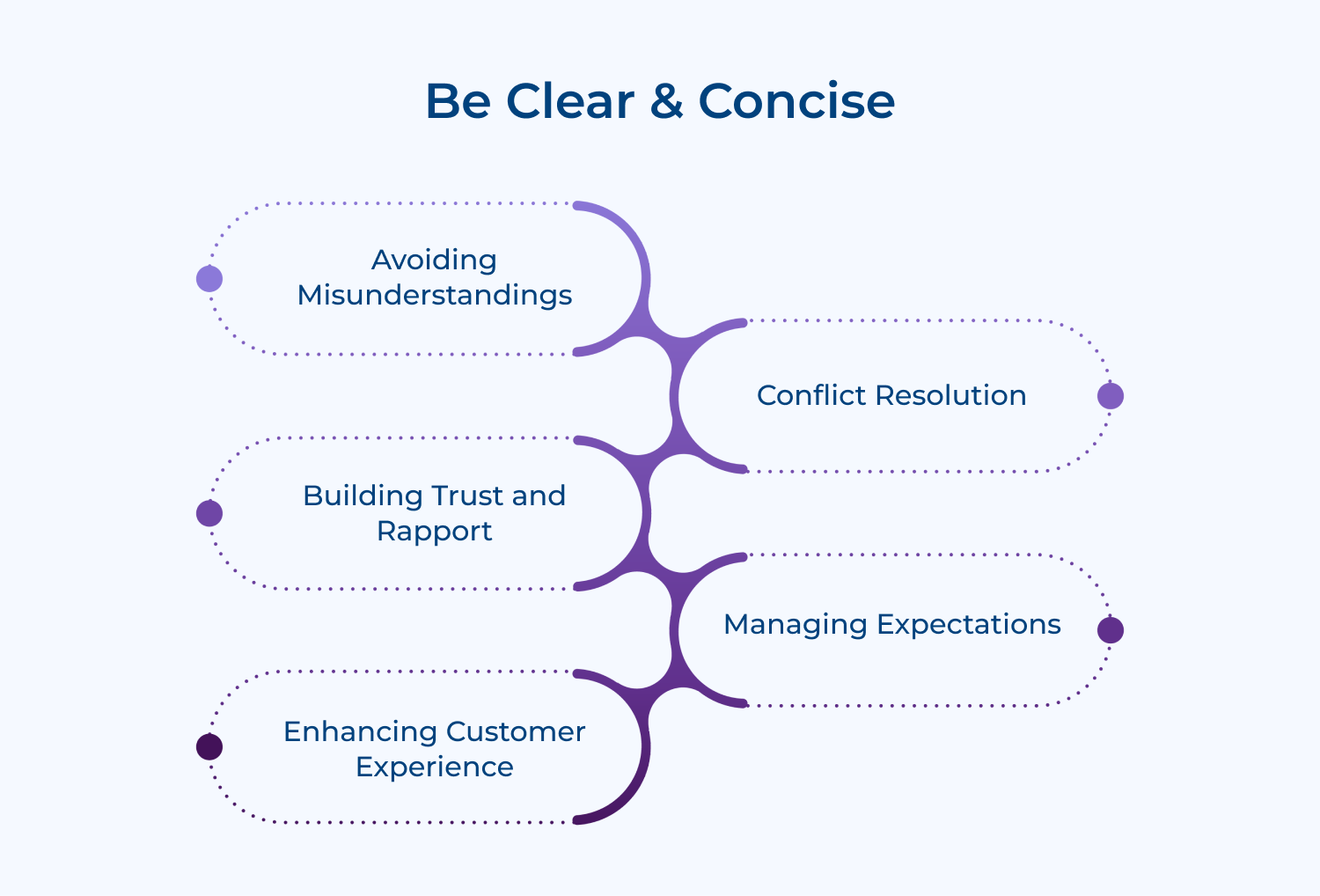
For example, instead of writing a lengthy email, you could respond with something like “Thank you for reaching out. Here is the information you requested: [provide concise information].”
Maintain a professional tone throughout your email. Even if the customer is upset or frustrated, it’s important to remain calm and courteous in your responses. Use polite language and avoid using offensive or confrontational language.
For instance, instead of saying “Hey there, here’s the info you wanted,” you could say “Hello, attached is the information you requested.”
Make sure to address the customer’s concerns or questions directly. Provide clear and relevant information that helps resolve the customer’s issue or answer their question. If additional steps are needed, outline them clearly in the email.
For example, if a customer is inquiring about a product return, provide them with clear instructions on how to do so, including any necessary forms or deadlines.
Customers often reach out to customer service for help or solutions to their problems. Make sure to offer practical solutions or recommendations that can help the customer resolve their issue. If necessary, provide step-by-step instructions or links to relevant resources.
For example, if a customer is unhappy with a product they purchased, you could offer them a refund or exchange option, along with any relevant details on how to proceed.
Customer support emails are an essential part of any business’s communication strategy. They help to address customer inquiries in a timely manner.
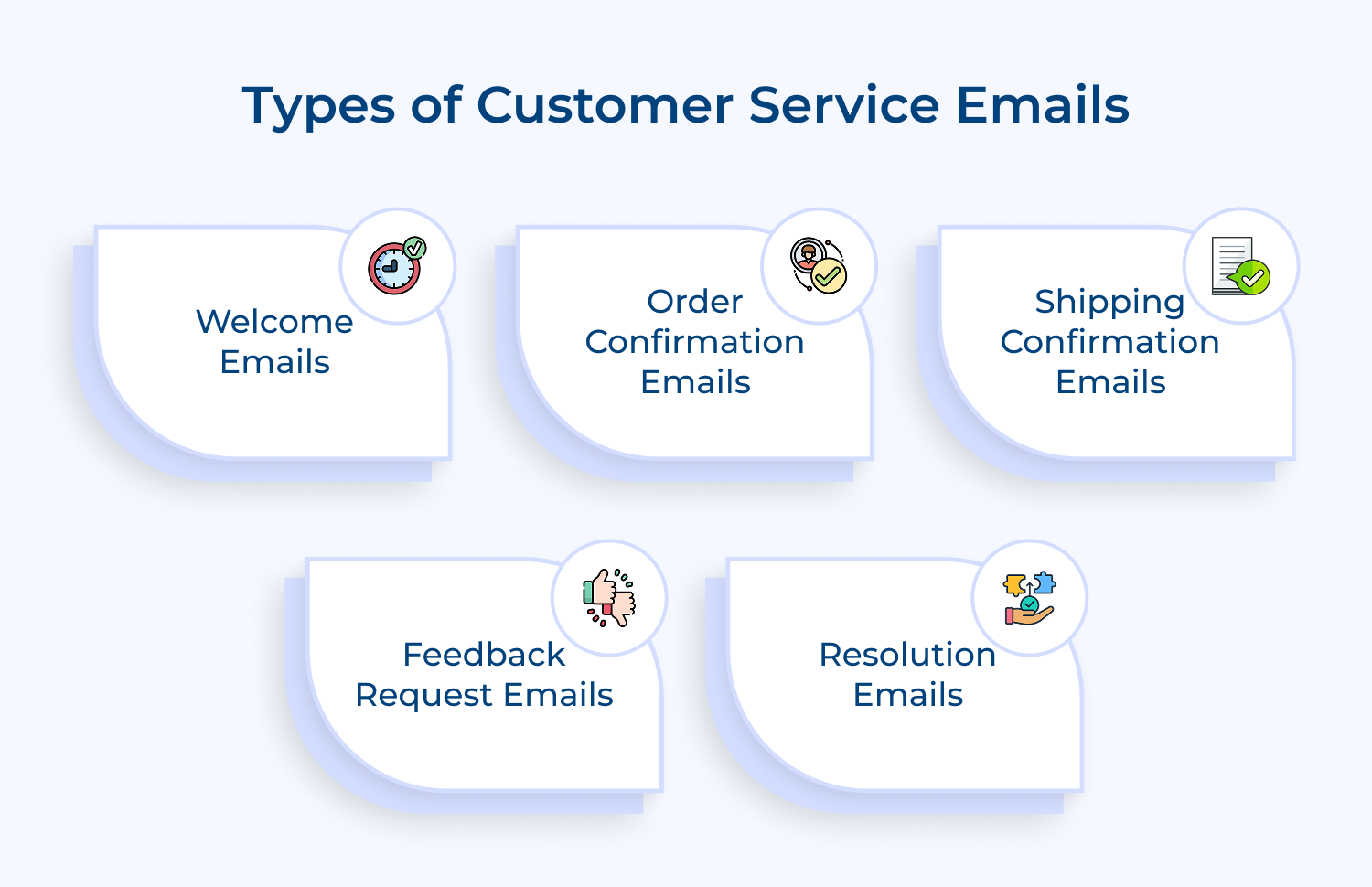
Dealing with frustrated customers is a common challenge for businesses, but it’s important to handle these situations with care and professionalism. One effective way to respond to a frustrated customer is through email.
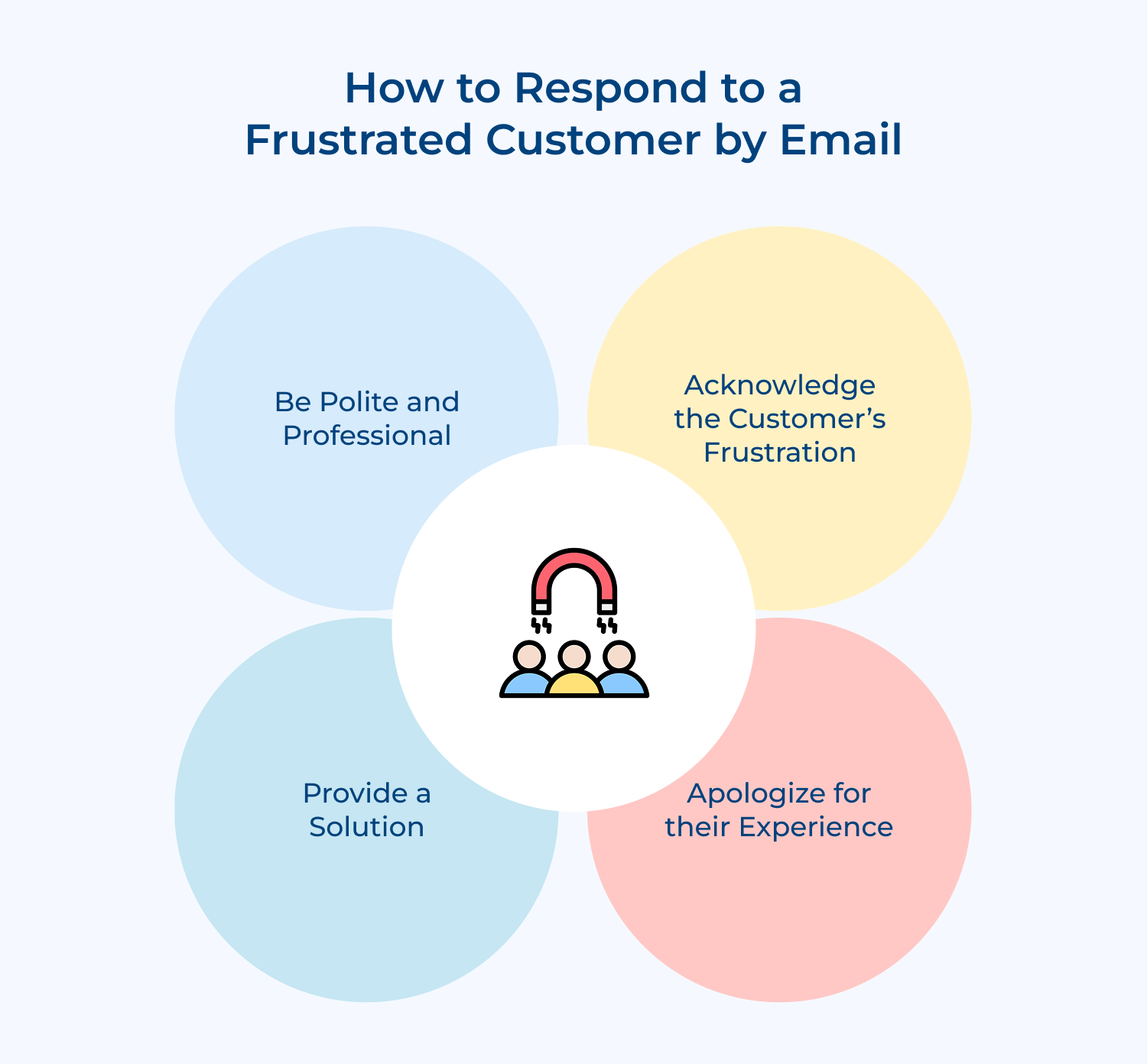
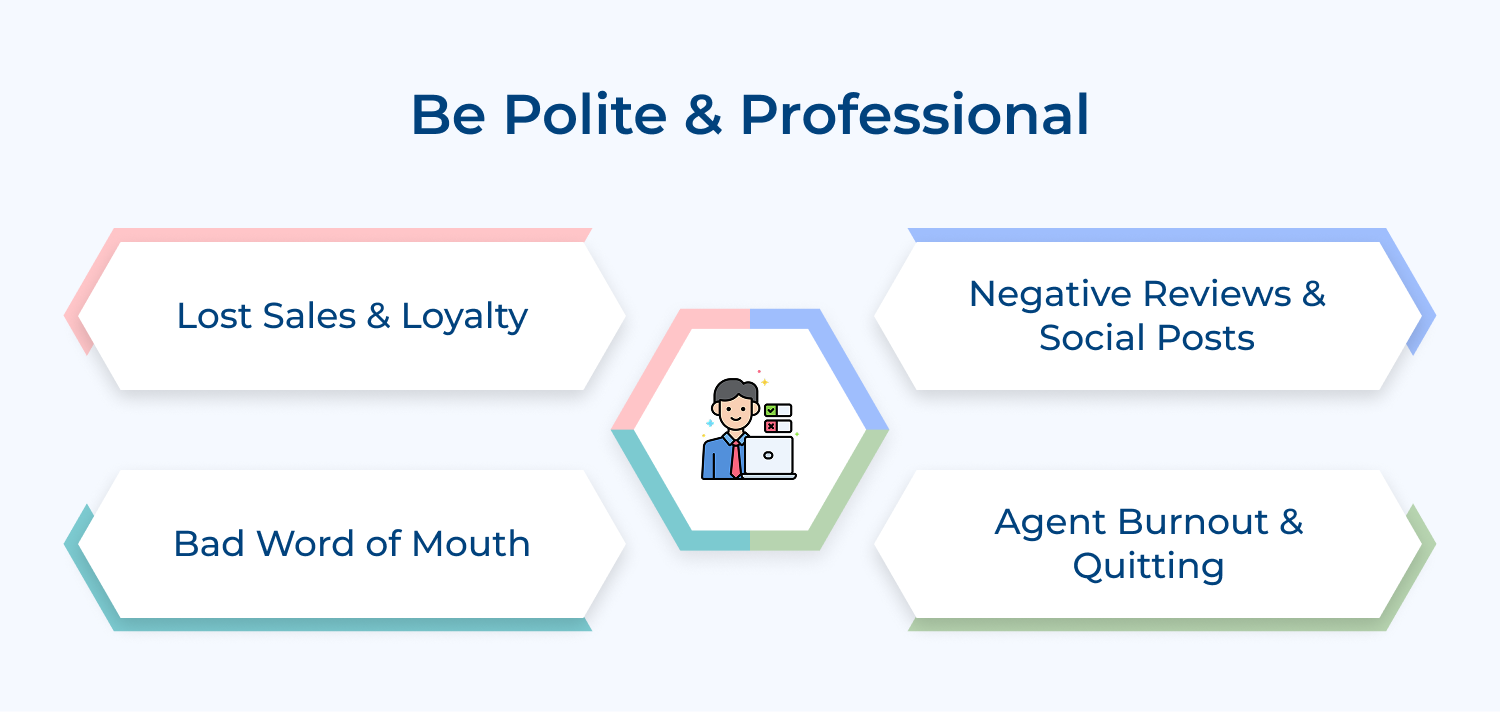
Here is an example response to a frustrated customer:
Subject: Re: Issue with your recent order
Dear [Customer’s Name],
I’m sorry to hear that you were dissatisfied with your recent order. We strive to provide the best possible experience for our customers and it’s disappointing to hear that we fell short of your expectations.
I understand how frustrating it can be to receive a damaged product and I apologize for any inconvenience this has caused you. To resolve this issue, we would like to offer you a full refund for your purchase. We will be sending you a replacement product free of charge.
We value your business and want to make sure that you are completely satisfied with your experience. If there is anything else we can do to make things right, please don’t hesitate to let us know.
Thank you for bringing this matter to our attention. We appreciate your feedback and will use it to improve our products/services in the future.
Sincerely,
[Your Name]
[Your Title]
[Company Name]
Utilizing email templates is a powerful tool to streamline customer service communication. By creating standardized responses for common inquiries, businesses can save time, maintain consistency and improve efficiency. Email templates also help ensure that customers receive prompt and accurate responses, enhancing overall satisfaction.
Using the right templates in place, businesses can enhance their customer service communication and provide a seamless experience for their clients. So, don’t hesitate to start implementing email templates in your customer service strategy today to take your customer service communication to the next level.

What are the key elements of a well-crafted customer service email?
A well-crafted customer service email should include a clear and concise subject line, personalized greeting, empathetic tone, relevant information or solutions to the customer’s issue and a call to action if needed. It should also be free of any spelling or grammatical errors.
How can I improve response rates in customer service email communication?
To improve response rates in customer service emails, it’s important to respond promptly, personalize your emails, address the customer by name, provide a clear & concise answer to their question or concern and offer a solution or next steps if necessary. Following up with the customer after the initial response can also help improve response rates.
How can I write a customer service email that leaves a positive impression?
To write a customer service email that leaves a positive impression, it’s important to be polite, professional and empathetic in your communication. Use positive language, express gratitude for the customer’s business, offer solutions or alternatives and follow up to ensure the customer is satisfied with the resolution.
Why is customer service email etiquette so important?
Customer service email etiquette is important because it reflects the professionalism and credibility of your business. Proper email etiquette can help build trust with customers, resolve issues efficiently and leave a positive impression. It also ensures clear communication and helps avoid misunderstandings or conflicts.
What’s the best way to conclude a customer service email?
The best way to conclude a customer service email is to express gratitude for the customer’s time & business, offer assistance if needed and provide your contact information for further inquiries. Ending the email on a positive note, such as wishing the customer a great day or thanking them for their understanding, can leave a lasting impression.
 https://omni24.io/wp-content/uploads/2026/09/Social-commerce-scaled.png
1340
2560
Webvision Solution
https://omni24.io/wp-content/uploads/2023/04/Omni-Logo-1.svg
Webvision Solution2026-10-23 12:18:272026-10-23 12:18:27What is Social Commerce and Why Does It Matter?
https://omni24.io/wp-content/uploads/2026/09/Social-commerce-scaled.png
1340
2560
Webvision Solution
https://omni24.io/wp-content/uploads/2023/04/Omni-Logo-1.svg
Webvision Solution2026-10-23 12:18:272026-10-23 12:18:27What is Social Commerce and Why Does It Matter? https://omni24.io/wp-content/uploads/2026/08/AI-Customer-Service-Agents.png
1256
2400
Webvision Solution
https://omni24.io/wp-content/uploads/2023/04/Omni-Logo-1.svg
Webvision Solution2026-09-21 04:48:512026-09-21 04:48:51How to Build an AI Customer Service Agents: 8 Key Steps
https://omni24.io/wp-content/uploads/2026/08/AI-Customer-Service-Agents.png
1256
2400
Webvision Solution
https://omni24.io/wp-content/uploads/2023/04/Omni-Logo-1.svg
Webvision Solution2026-09-21 04:48:512026-09-21 04:48:51How to Build an AI Customer Service Agents: 8 Key Steps https://omni24.io/wp-content/uploads/2026/08/Omnichannel-Conversational-AI.png
1256
2400
Tushar Joshi
https://omni24.io/wp-content/uploads/2023/04/Omni-Logo-1.svg
Tushar Joshi2026-09-16 03:51:072026-09-16 03:51:07How to Build Omnichannel Conversational AI Strategy
https://omni24.io/wp-content/uploads/2026/08/Omnichannel-Conversational-AI.png
1256
2400
Tushar Joshi
https://omni24.io/wp-content/uploads/2023/04/Omni-Logo-1.svg
Tushar Joshi2026-09-16 03:51:072026-09-16 03:51:07How to Build Omnichannel Conversational AI Strategy
Whether it’s about acquire, engage or support – Omni24 covers all your customer engagement needs in one complete platform.

Copyright ©2026 Veemo All rights reserved.
CA, Los Angeles, Hall Ave, 19011