Boost Your Online Business with Ecommerce Knowledge Base
An ecommerce knowledge base provides self-service support, product info and troubleshooting to improve experience and efficiency.
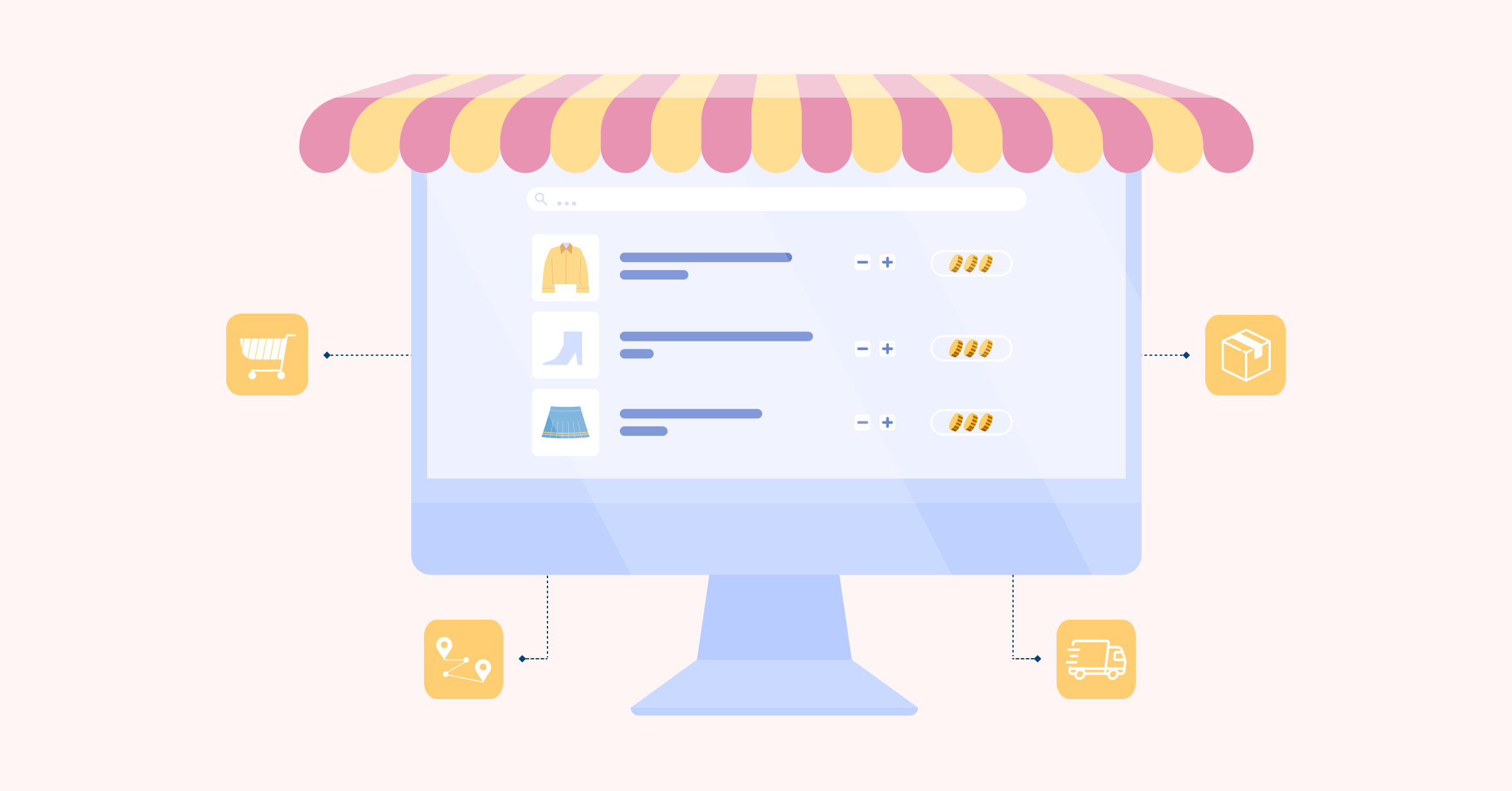
An ecommerce knowledge base provides self-service support, product info and troubleshooting to improve experience and efficiency.
Being online is the only way businesses can increase their reach and boost their sales, and it is difficult to manage customer queries effectively. Ecommerce knowledge base gives a centralized self-service provider that the customer can use to find a solution and solve problems on their own.
81 % of buyers would rather solve their own problems and then contact the support representative, which shows that there is a high demand for the accessibility of knowledge bases in the e-commerce setting.
By investing in a knowledge base, a business will be able to streamline customer support and enhance efficiency. We will discuss its main advantages and its importance in achieving success in ecommerce.
An ecommerce knowledge base is defined as a centralized hub of information that provides resources and support to customers, employees, as well as the stakeholders. It is a valuable tool that contains a huge amount of information about products, services, policies and procedures related to online shopping or selling.
The purpose of building an ecommerce knowledge base is to provide easy access to information for users who have questions or need assistance while navigating through the website. It serves as a self-service platform that allows users to find answers to common queries without having to reach out to customer support.
Key features:
About 91% of customers use an online knowledge base if it is tailored to their needs. An ecommerce knowledge base provides tutorials, troubleshooting guides and FAQs about the products or services.
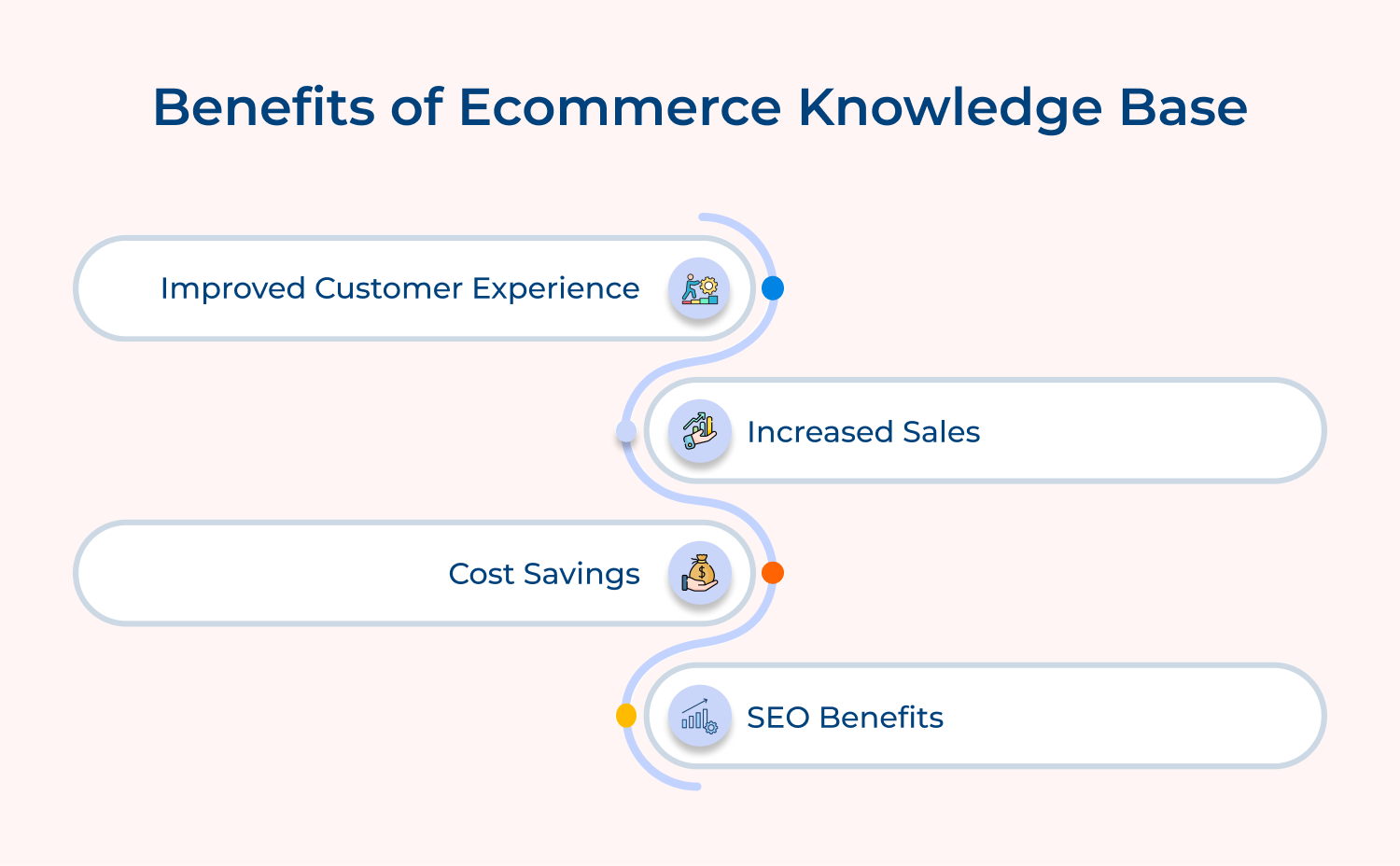
Key benefits:
Investing in a comprehensive knowledge base is crucial for providing excellent customer support and ensuring a smooth shopping experience for your customers.
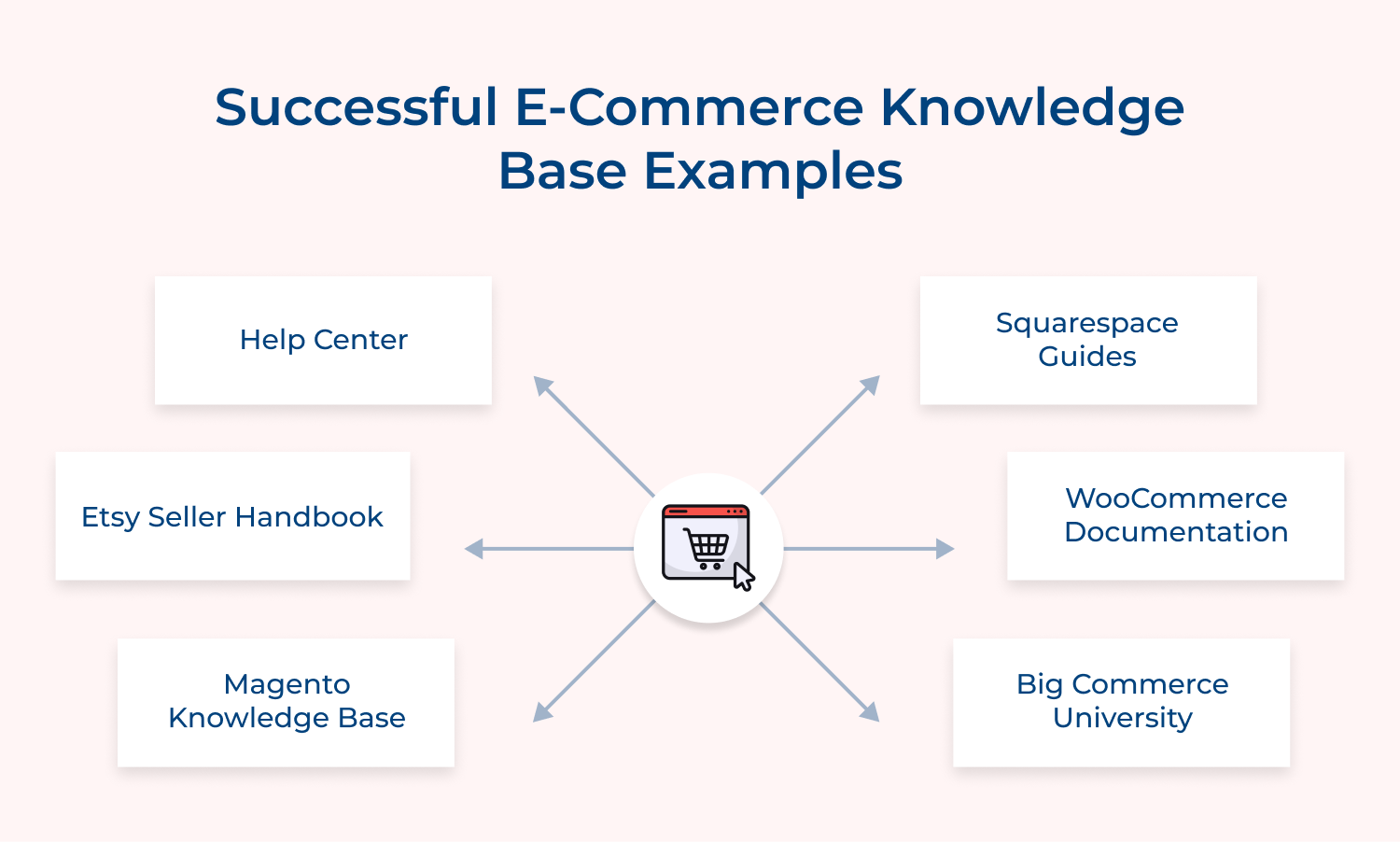
Shopify is a popular ecommerce platform that offers a wide range of tools and resources for online sellers. Their Help Center is a comprehensive collection of articles, tutorials and guides that cover everything from setting up your store to marketing strategies. Whether you are a beginner or an experienced seller, the Shopify Help Center can provide you with the information you need to succeed.
Key benefits:
Squarespace is a popular platform for building online stores and their Guides section is a valuable resource for ecommerce knowledge. From setting up your store to managing inventory and promoting your products, Squarespace Guides offer step-by-step instructions and best practices for running a successful online business.
Key benefits:
WooCommerce is a popular plugin for WordPress that allows you to create an online store with ease. Their Documentation section is a comprehensive guide to using the plugin, with articles or tutorials on everything from setting up your store to optimizing for SEO and managing payments. Whether you are new to WooCommerce or a seasoned user, their Documentation can help you make the most of this powerful ecommerce tool.
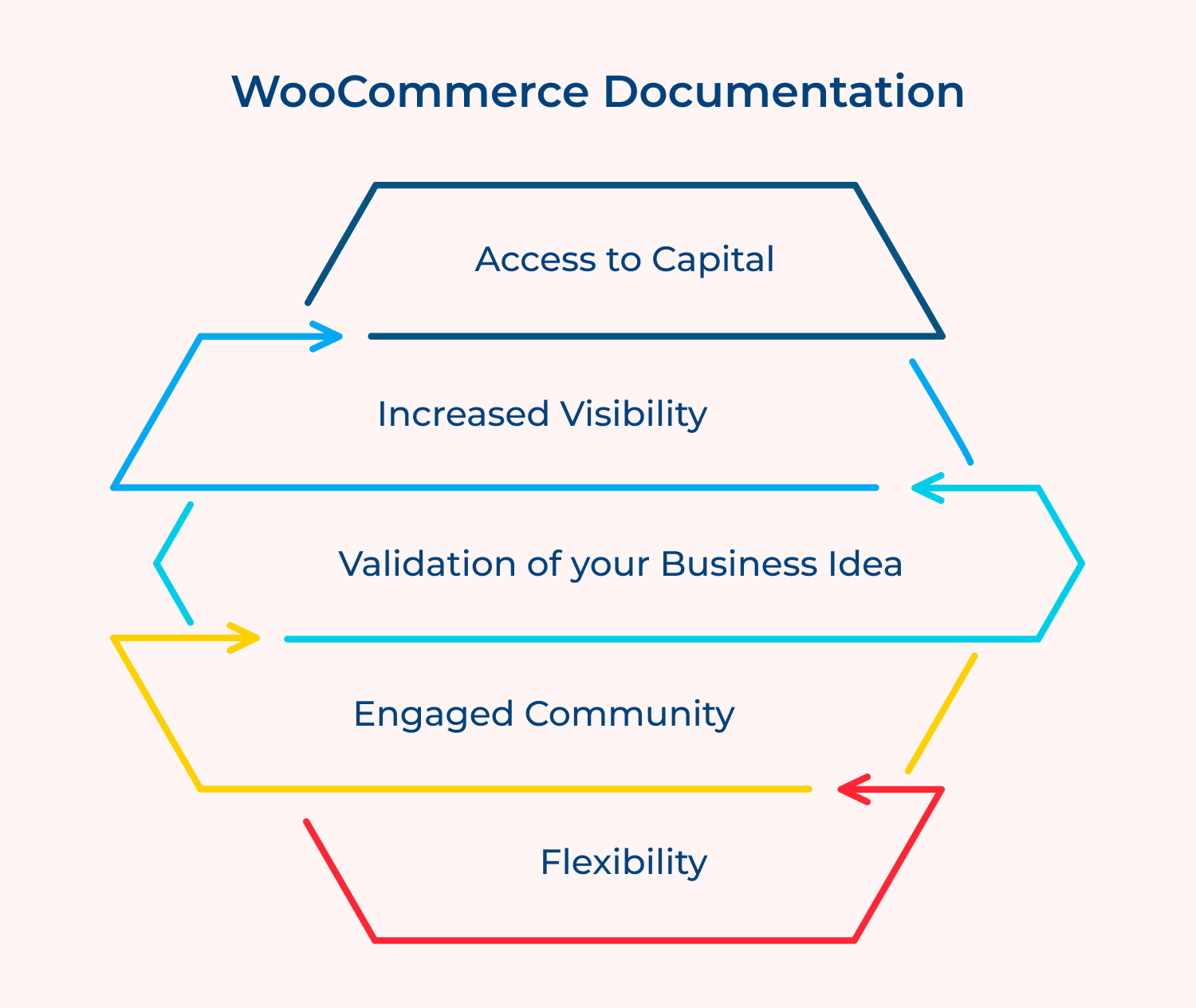
Key benefits:
BigCommerce is another popular ecommerce platform that offers a range of resources for online sellers. The University section showcases the collection of articles, webinars and tutorials that cover a wide range of topics, including store design, marketing strategies or analytics. Whether you are a beginner or an experienced seller, BigCommerce University can help you stay ahead of the curve in the world of online selling.
Key benefits:
Etsy is a popular marketplace for handmade goods and their Seller Handbook is a valuable resource for sellers on the platform. From setting up your shop to promoting your products and managing orders, the Etsy Seller Handbook offers tips and best practices for running a successful shop on Etsy.
Key benefits:
Magento is a popular ecommerce platform for larger businesses and enterprise-level sellers. Their Knowledge Base is a comprehensive collection of articles, tutorials and guides that cover everything from setting up your store to advanced customization techniques. Whether you are new to Magento or a seasoned user, their Knowledge Base can help you make the most of this powerful ecommerce platform.
Key benefits:
Leveraging the top knowledge base software can help streamline the process of organizing and sharing information, making it easier for teams to access the information they need quickly.
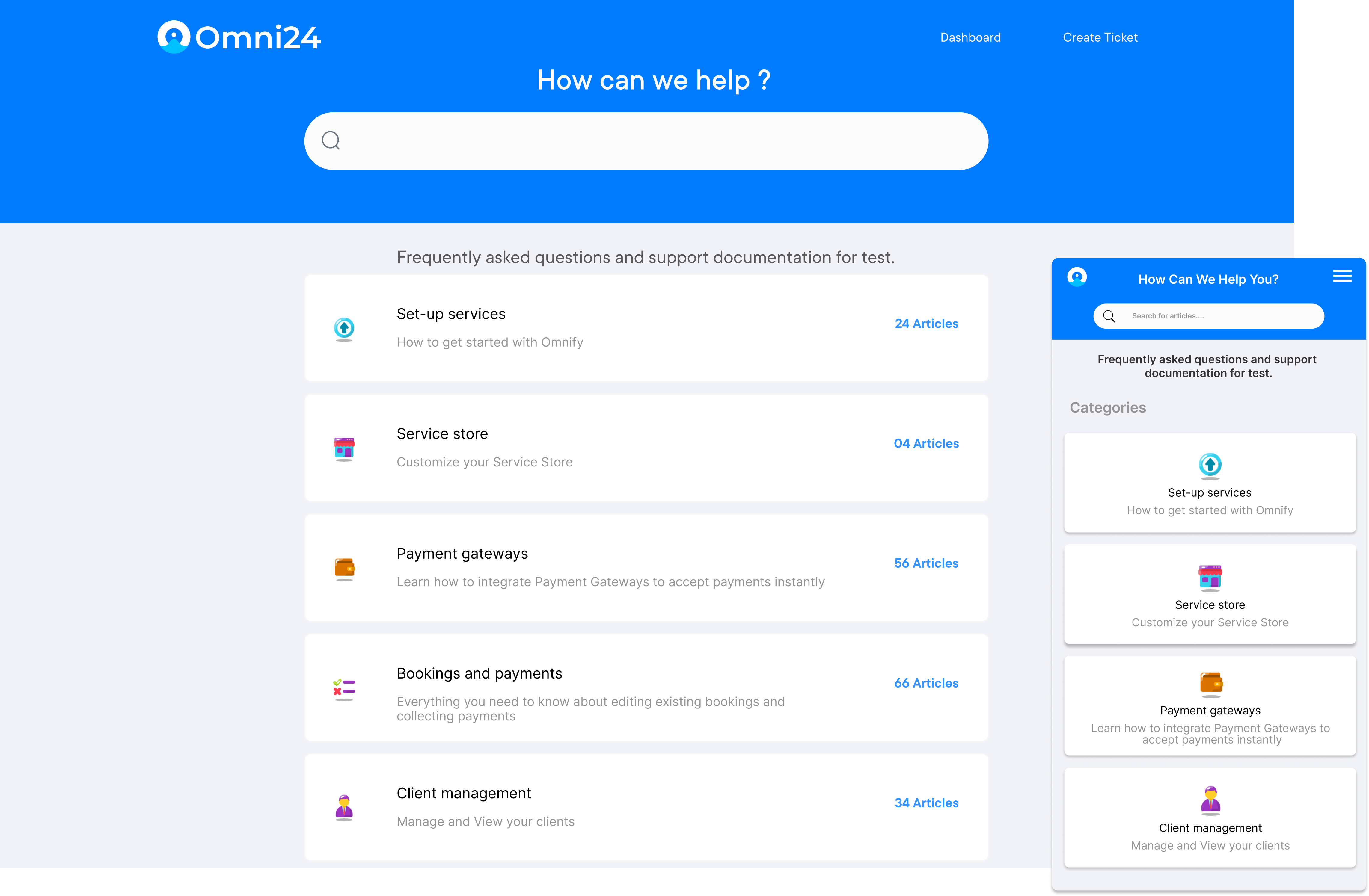
Omni24 Guide is a popular knowledge base software solution that integrates seamlessly with other Omni24 products. It offers features such as customizable themes, multilingual content support, and analytics to track the effectiveness of your knowledge base.
Key features:
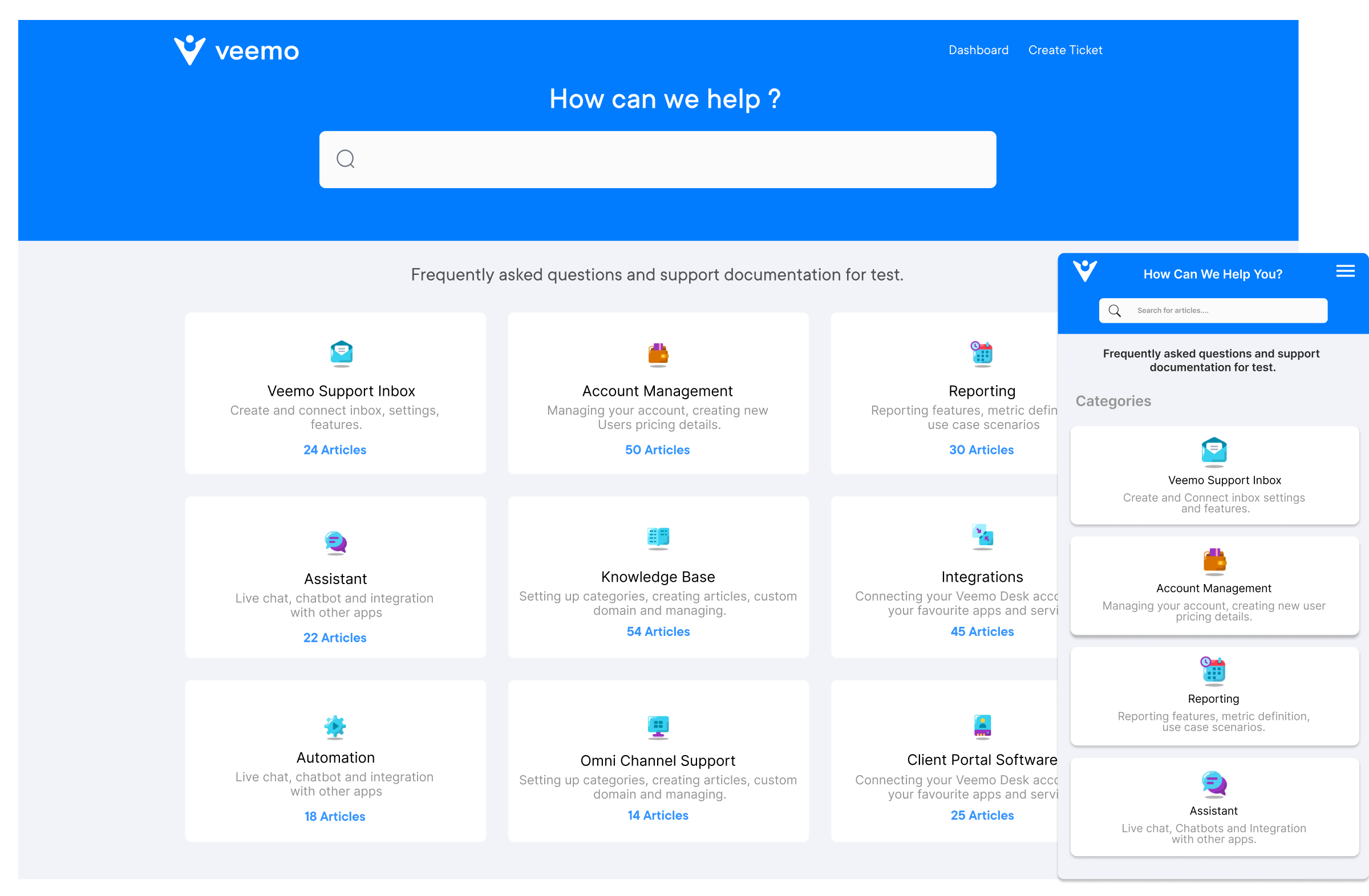
Veemo is another well-known knowledge base software option that is user-friendly and easy to set up. It offers features such as a drag-and-drop editor, SEO optimization and analytics to track article performance.
Confluence is a knowledge base software solution by Atlassian that is geared towards teams collaborating on projects. It offers features such as real-time editing, customizable templates, and integration with other Atlassian tools like Jira and Trello.
Helpjuice is a knowledge base software solution that focuses on simplicity and ease of use. It offers features such as AI-powered search, customizable themes and analytics to track article engagement.
Document360 is a knowledge base software solution that offers features such as version control, SEO optimization and integration with popular tools like Slack and Intercom. It also offers a visual editor for creating and editing articles.
A knowledge base for ecommerce offers tips and guidance on using your products or services. But what types of content should you include in your ecommerce knowledge base to ensure it is helpful and user-friendly?
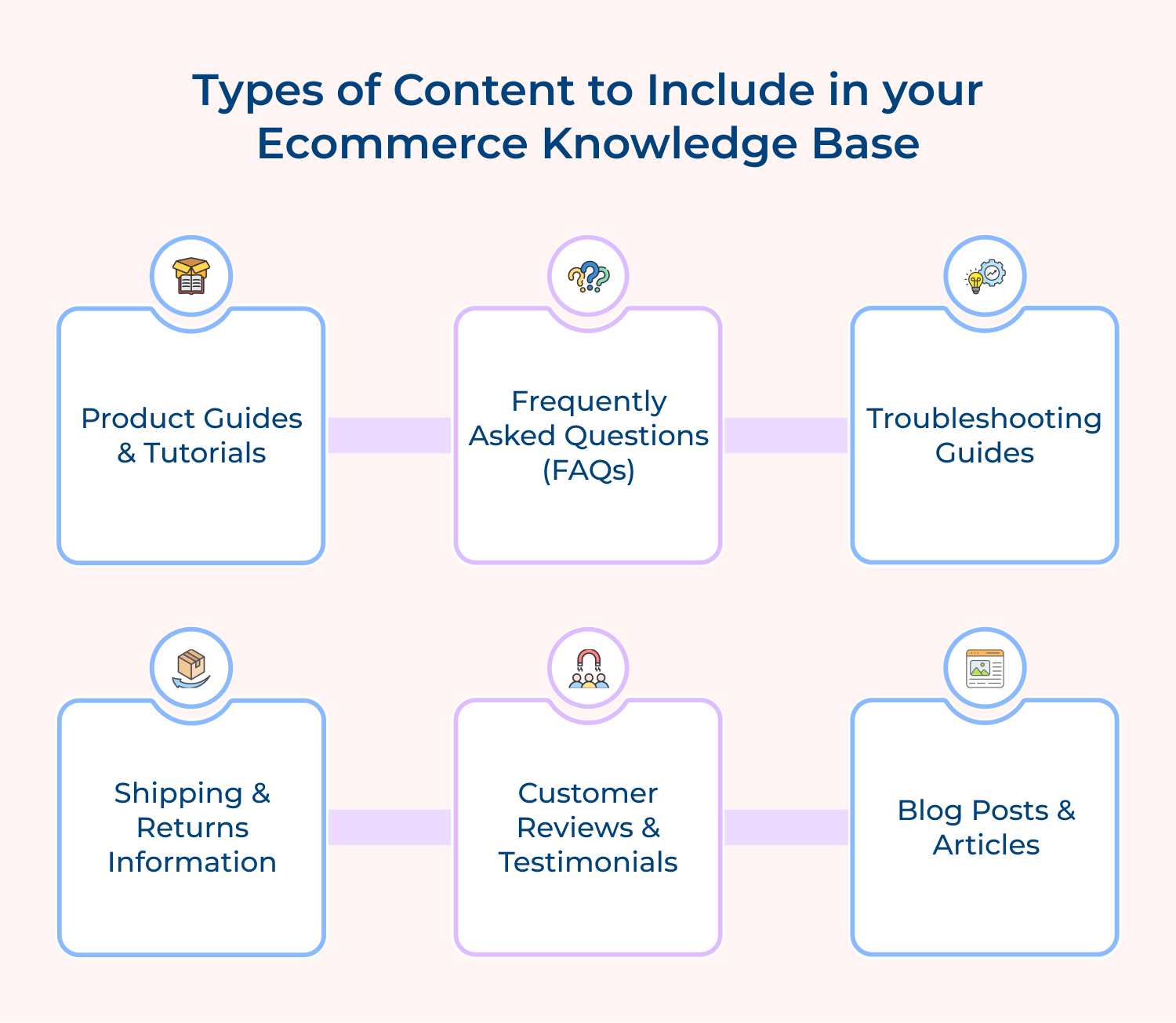
Here are some key content ideas to consider:
Create in-depth guides and tutorials that explain how to use your products or services effectively. Include step-by-step instructions, videos and screenshots to make it easy for customers to follow along.
Compile a list of frequently asked questions about your products, shipping policies, returns process, and more. Organize the FAQs by category to help customers quickly find the information they need.
Anticipate common issues that customers may encounter when using your products and create troubleshooting guides to help them resolve problems quickly. Include solutions to technical issues, error messages and other common challenges.
Provide detailed information about your shipping rates, delivery times and return policies. Include instructions on how to track orders, initiate returns and contact customer support for assistance.
Include customer reviews and testimonials to showcase the positive experiences that other customers have had with your products or services. This social proof can help build trust with potential customers and encourage them to make a purchase.
Create informative blog posts or articles that offer valuable tips, advice and industry insights related to your products or services. This content can help educate customers and establish your brand as an authority in your niche.
An ecommerce knowledge base can significantly reduce the workload of your customer service team by providing self-service options for common issues.
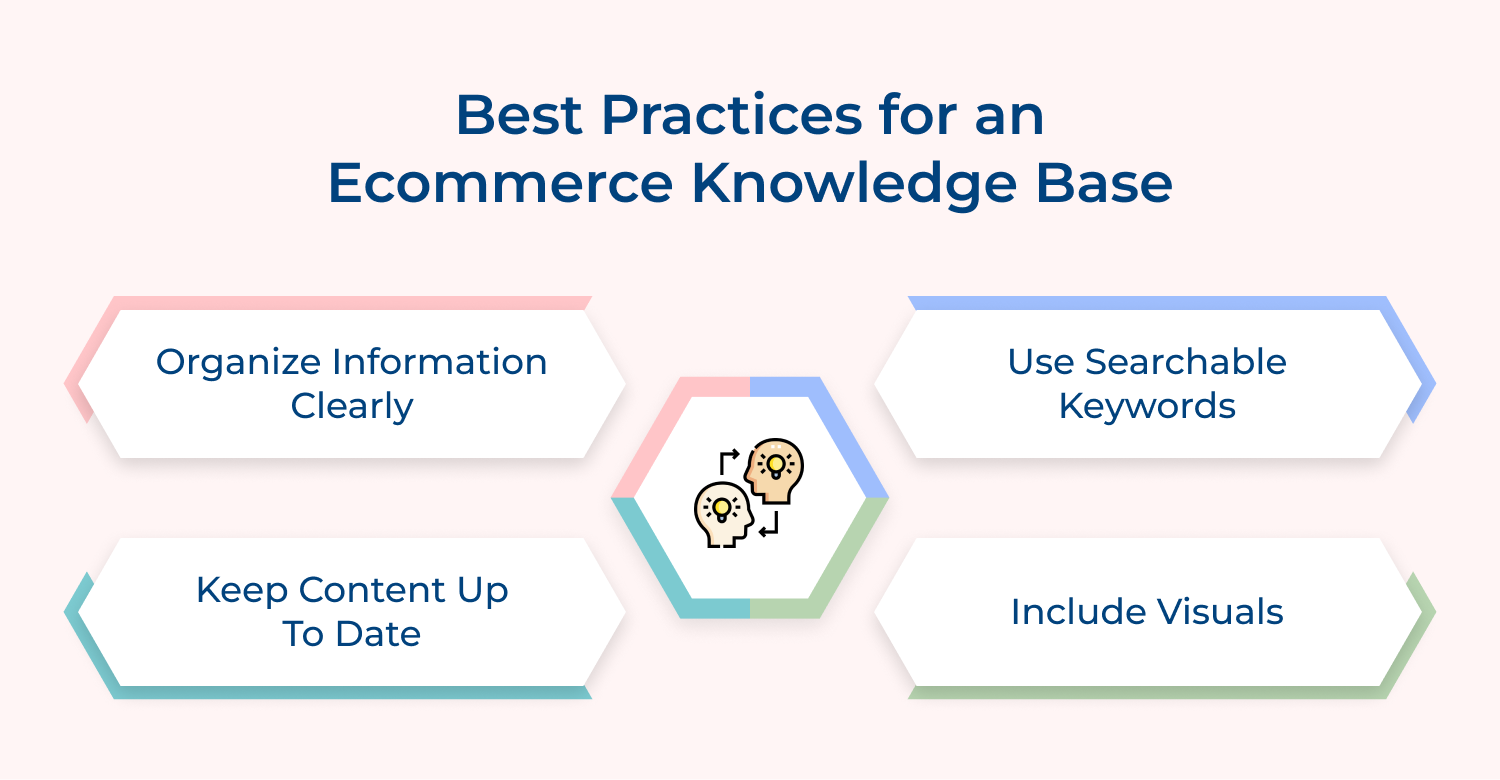
Here are some best practices for creating and maintaining an effective ecommerce knowledge base:
An ecommerce knowledge base is a powerful tool that can significantly impact revenue for online businesses. By providing valuable information to customers, businesses can increase customer satisfaction, drive sales, and build brand loyalty.
Having a well-organized knowledge base, businesses can address customer queries, provide product information, offer troubleshooting solutions, leading to increased sales and revenue. Investing in an ecommerce knowledge base is a smart decision for any online business looking to enhance the customer experience and drive revenue growth.

Why do you need a knowledge base for ecommerce?
A knowledge base is crucial for ecommerce businesses because it helps customers find answers to their questions quickly and easily without having to contact customer support. This can lead to faster resolution of issues, increased customer satisfaction and reduced support costs.
Why is an ecommerce knowledge base indispensable for your online business?
An ecommerce knowledge base is indispensable for your online business because it helps build trust with customers by providing accurate and reliable information. It also helps to reduce the number of customer inquiries, freeing up time for your support team to focus on more complex issues.
What should you include in your ecommerce knowledge base?
Your ecommerce knowledge base should include a variety of content, such as product guides, troubleshooting tips, FAQs, how-to articles, and instructional videos. Make sure to keep your knowledge base updated regularly to reflect any changes in products, policies, or processes.
How to boost your ecommerce business with a knowledge base?
A well-maintained knowledge base can help boost your ecommerce business by improving customer satisfaction, reducing support costs, and increasing sales. By providing customers with the information they need to make informed purchasing decisions, you can build trust and loyalty.
Why is an ecommerce knowledge base important for your online business?
An ecommerce knowledge base is important for your online business because it can help you provide better customer service, increase sales, and improve overall customer satisfaction. By investing in a knowledge base, you can demonstrate your commitment to customer care and provide valuable resources for customers to access at any time.
 https://omni24.io/wp-content/uploads/2026/08/AI-Customer-Service-Agents.png
1256
2400
Webvision Solution
https://omni24.io/wp-content/uploads/2023/04/Omni-Logo-1.svg
Webvision Solution2026-09-21 04:48:512026-09-21 04:48:51How to Build an AI Customer Service Agents: 8 Key Steps
https://omni24.io/wp-content/uploads/2026/08/AI-Customer-Service-Agents.png
1256
2400
Webvision Solution
https://omni24.io/wp-content/uploads/2023/04/Omni-Logo-1.svg
Webvision Solution2026-09-21 04:48:512026-09-21 04:48:51How to Build an AI Customer Service Agents: 8 Key Steps https://omni24.io/wp-content/uploads/2026/08/Omnichannel-Conversational-AI.png
1256
2400
Tushar Joshi
https://omni24.io/wp-content/uploads/2023/04/Omni-Logo-1.svg
Tushar Joshi2026-09-16 03:51:072026-09-16 03:51:07How to Build Omnichannel Conversational AI Strategy
https://omni24.io/wp-content/uploads/2026/08/Omnichannel-Conversational-AI.png
1256
2400
Tushar Joshi
https://omni24.io/wp-content/uploads/2023/04/Omni-Logo-1.svg
Tushar Joshi2026-09-16 03:51:072026-09-16 03:51:07How to Build Omnichannel Conversational AI Strategy https://omni24.io/wp-content/uploads/2026/08/Customer-Service-Teams.png
1256
2400
Tushar Joshi
https://omni24.io/wp-content/uploads/2023/04/Omni-Logo-1.svg
Tushar Joshi2026-09-15 04:01:522026-09-15 04:02:16How to Build Customer Service Teams: 6 Key Steps
https://omni24.io/wp-content/uploads/2026/08/Customer-Service-Teams.png
1256
2400
Tushar Joshi
https://omni24.io/wp-content/uploads/2023/04/Omni-Logo-1.svg
Tushar Joshi2026-09-15 04:01:522026-09-15 04:02:16How to Build Customer Service Teams: 6 Key Steps
Whether it’s about acquire, engage or support – Omni24 covers all your customer engagement needs in one complete platform.

Copyright ©2026 Veemo All rights reserved.
CA, Los Angeles, Hall Ave, 19011