How to Capture Explicit Knowledge: 6 Effective Steps
Explicit knowledge easily articulated, documented and shared via databases enables efficient transfer, organizational learning and decision-making.

Explicit knowledge easily articulated, documented and shared via databases enables efficient transfer, organizational learning and decision-making.
What exactly is explicit knowledge and how it impacts businesses?
Explicit knowledge is systematic documentation of information, ensuring accessibility across teams. It supports training, decision-making, and problem-solving by providing standardized resources.
Businesses that effectively manage explicit knowledge can reduce decision-making time by up to 30%, as employees have quicker access to necessary information and resources.
Explicit knowledge helps maintain efficiency, improve productivity, and preserve institutional knowledge, even as employees or team members change.
Let us delve deeper into the concept of explicit knowledge, exploring its characteristics, benefits, and implications for individuals and organizations.
Explicit knowledge refers to the knowledge that is easily documented, stored, and shared. It is tangible knowledge and it can be easily written down, recorded, or communicated to others. It is factual, objective, and can be easily transferred from one person to another.
Some examples of explicit knowledge include textbooks, manuals, reports, databases, and any other type of information that can be easily accessed by others. It is usually well-organized making it easy to use in their own work.
Key objective:
Explicit knowledge is tangible and can be easily transferred from one person to another. There are several types of explicit knowledge that are commonly categorized based on their nature and form:
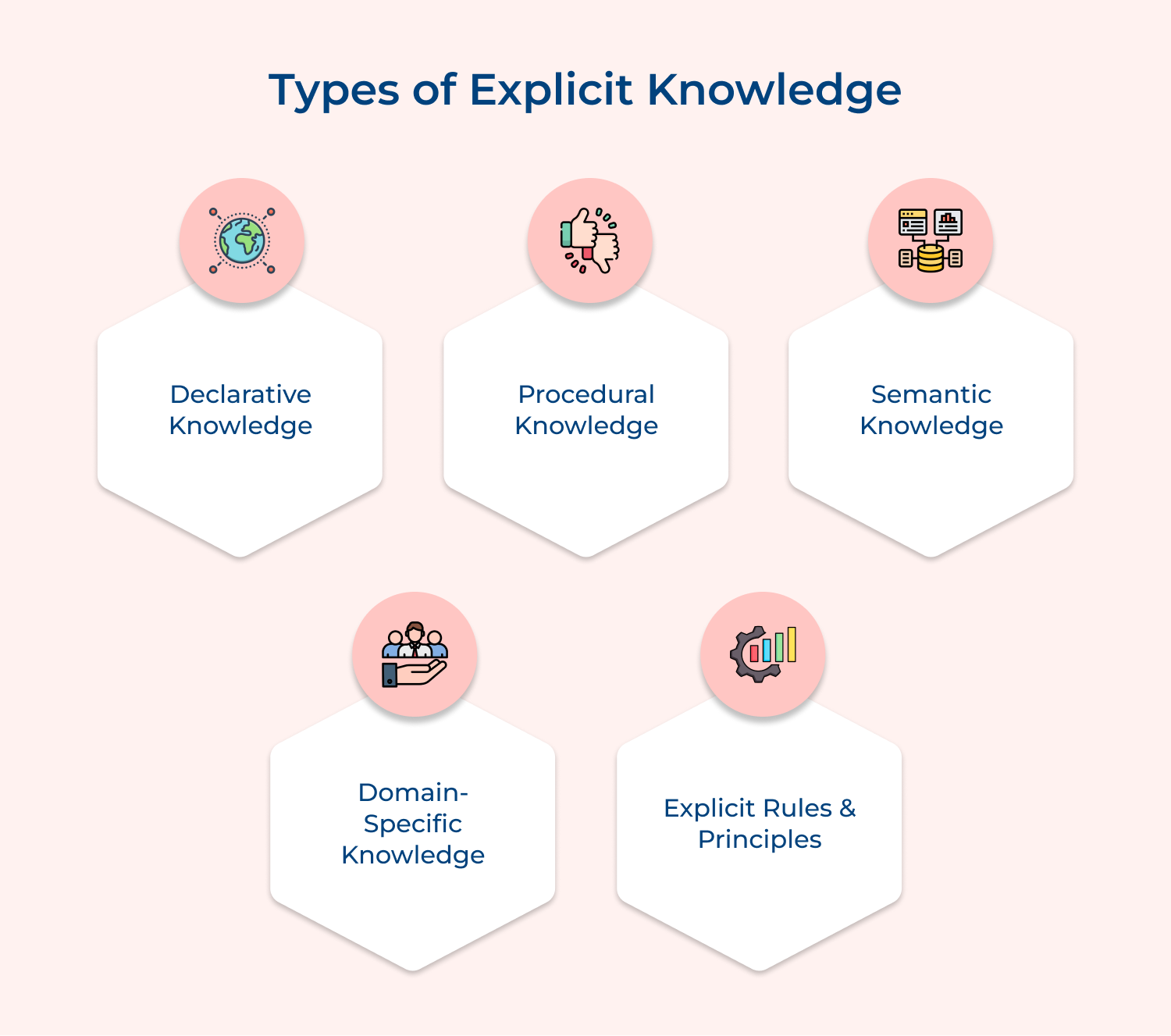
70% of employees struggle to find the information they need indicating a significant gap in the accessibility of explicit knowledge within organizations. It is why explicit knowledge plays a crucial role to grow your business:
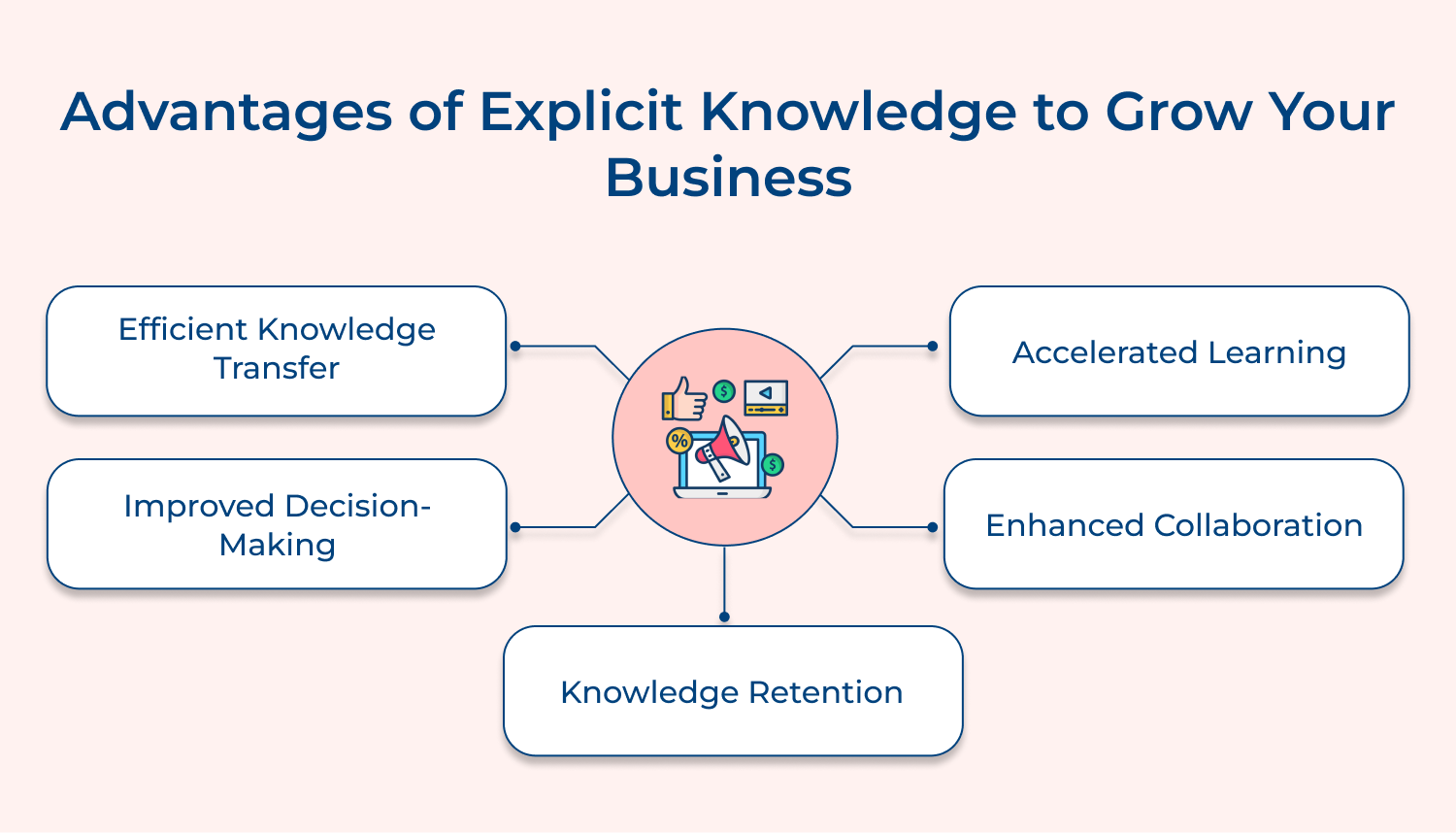
In the world of business, knowledge is power. Explicit knowledge, which refers to knowledge that is easily codified and transferred, is crucial for business growth. Capturing this type of knowledge can help companies streamline processes, improve efficiency, and drive innovation.
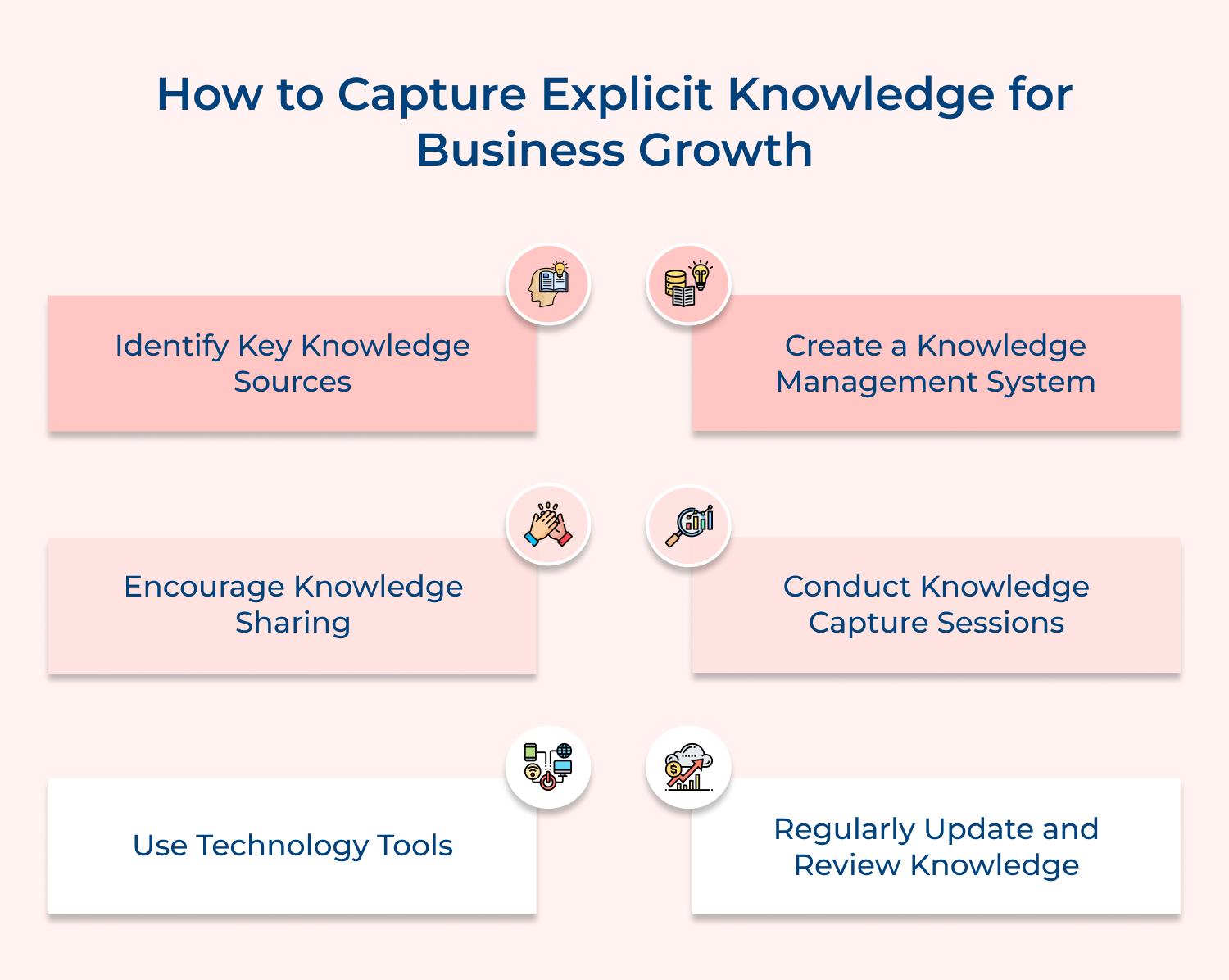
Here are some effective steps to help you capture explicit knowledge for business growth:
The first step in capturing explicit knowledge is to identify the key sources of knowledge within your organization. It could include subject matter experts, experienced employees, and documentation such as manuals, reports, and data.
Pro tips:
Implementing a knowledge management system is essential for capturing and organizing explicit knowledge. This system could include a centralized repository for documents, databases, and other forms of knowledge, as well as tools for capturing and sharing knowledge among employees.
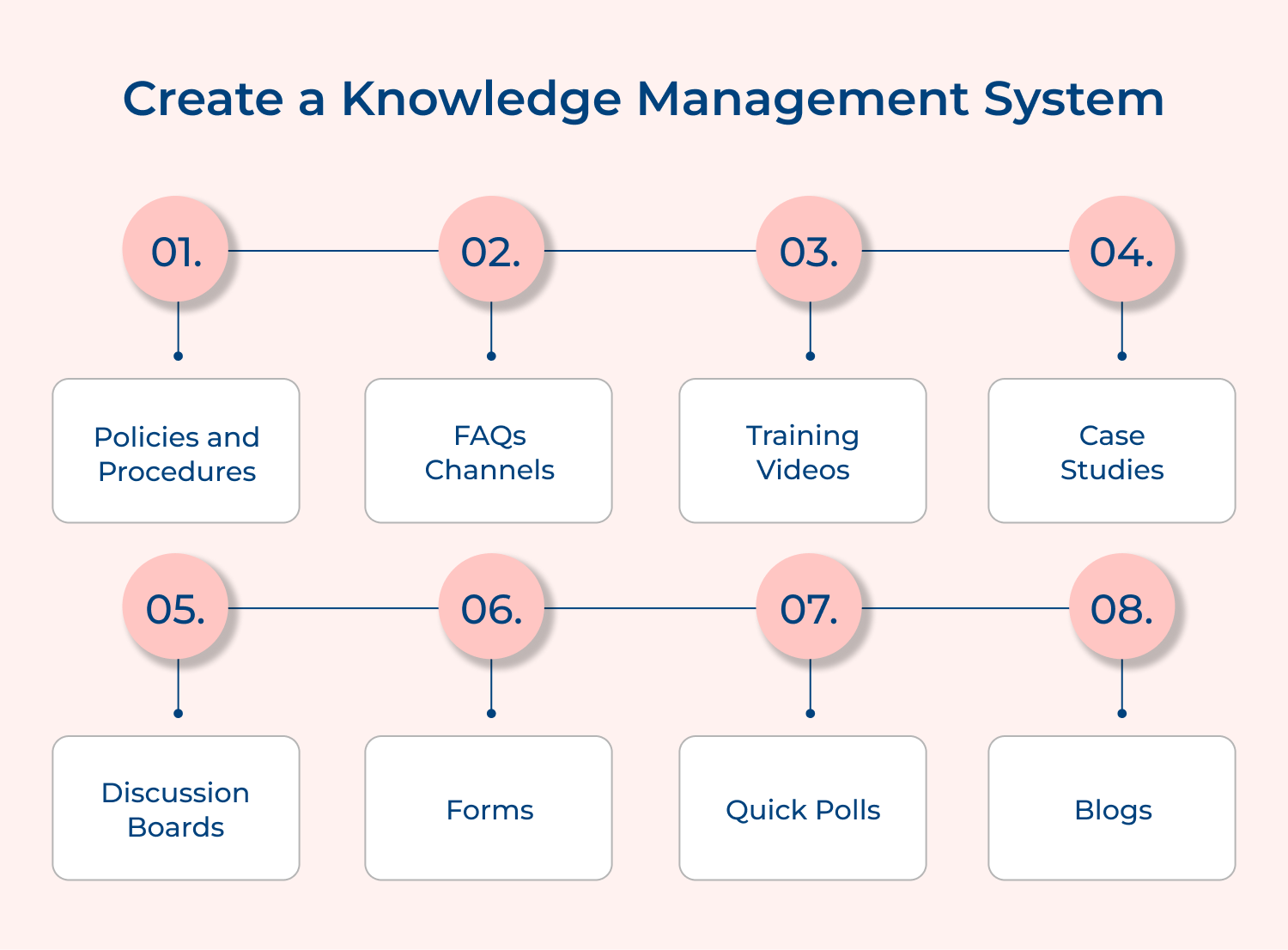
Pro tips:
Encouraging knowledge sharing among employees is critical for capturing explicit knowledge. It could involve creating a culture of knowledge sharing, rewarding employees for sharing their expertise, and providing platforms for employees to collaborate and exchange ideas.
Pro tips:
Conducting knowledge capture sessions with key stakeholders and experts within your organization can help you extract valuable knowledge that may not be readily available in written form. These sessions could involve interviews, workshops, or brainstorming sessions to document and codify knowledge.
Pro tips:
There are a variety of technology tools available that can help you capture, store, and share explicit knowledge. It could include knowledge management software, collaboration platforms, and document management systems that make it easier for employees to access and contribute to the knowledge base.
Here are few tips:
Explicit knowledge is constantly evolving, so it’s important to regularly update and review your knowledge base to ensure that it remains current and relevant. It could involve conducting periodic audits, revising documents and processes, and soliciting feedback from employees to improve knowledge capture efforts.
Pro tips:
Whether it’s passing on critical information to new employees or sharing expertise among team members, having adaptable techniques to transfer knowledge is key. Here are some strategies to consider when transferring knowledge within your organization:
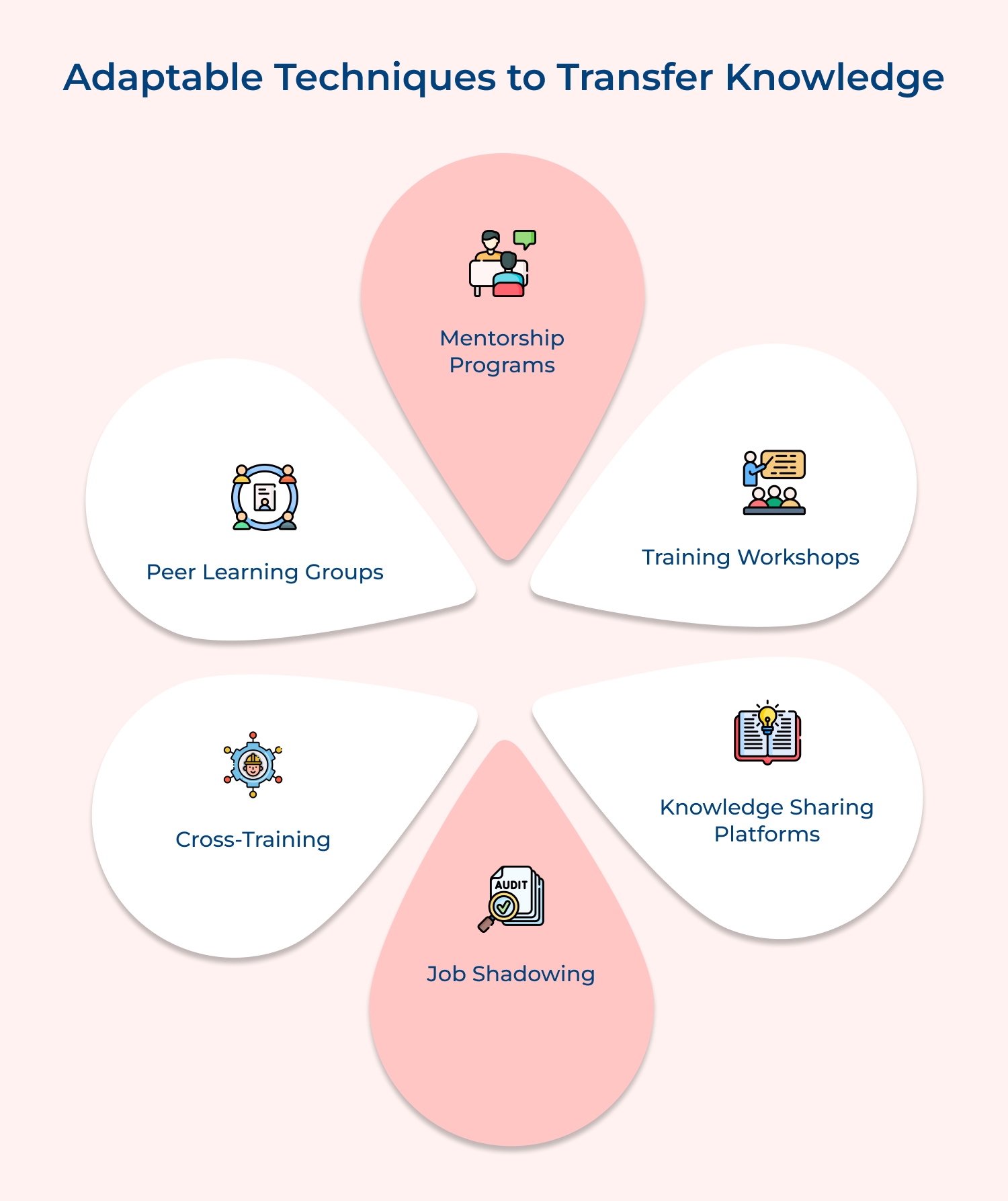
Pairing experienced employees with newer team members can be an effective way to transfer knowledge. Mentors can provide guidance, support, and share their expertise with mentees. This one-on-one relationship allows for personalized learning and encourages open communication.
Hosting training workshops or seminars can be a great way to transfer knowledge on a larger scale. These workshops can cover specific topics or skills that are important for employees to learn. Make sure to include interactive activities and opportunities for participants to practice what they’ve learned.
Utilizing technology to create online knowledge sharing platforms can make it easier for employees to access and contribute to valuable information. These platforms can include forums, wikis, or databases where employees can share documents, best practices, and tips with each other.
Allowing employees to shadow others in different roles within the organization can provide hands-on learning experiences. It allows employees to see how others work and learn from their techniques and processes. Job shadowing can be a valuable way to transfer knowledge across departments.
Cross-training employees in different roles or departments can help create a more versatile and knowledgeable workforce. It allows employees to understand different aspects of the organization and be able to fill in for others when needed. Cross-training can also lead to greater collaboration and understanding between team members.
Creating peer learning groups where employees can come together to share knowledge and learn from each other can be a powerful way to transfer expertise. These groups can meet regularly to discuss challenges, share insights, and brainstorm solutions.
Understanding the key differences between the explicit and implicit knowledge can help individuals better utilize and leverage their skills. Here are five key differences between explicit knowledge and implicit knowledge:
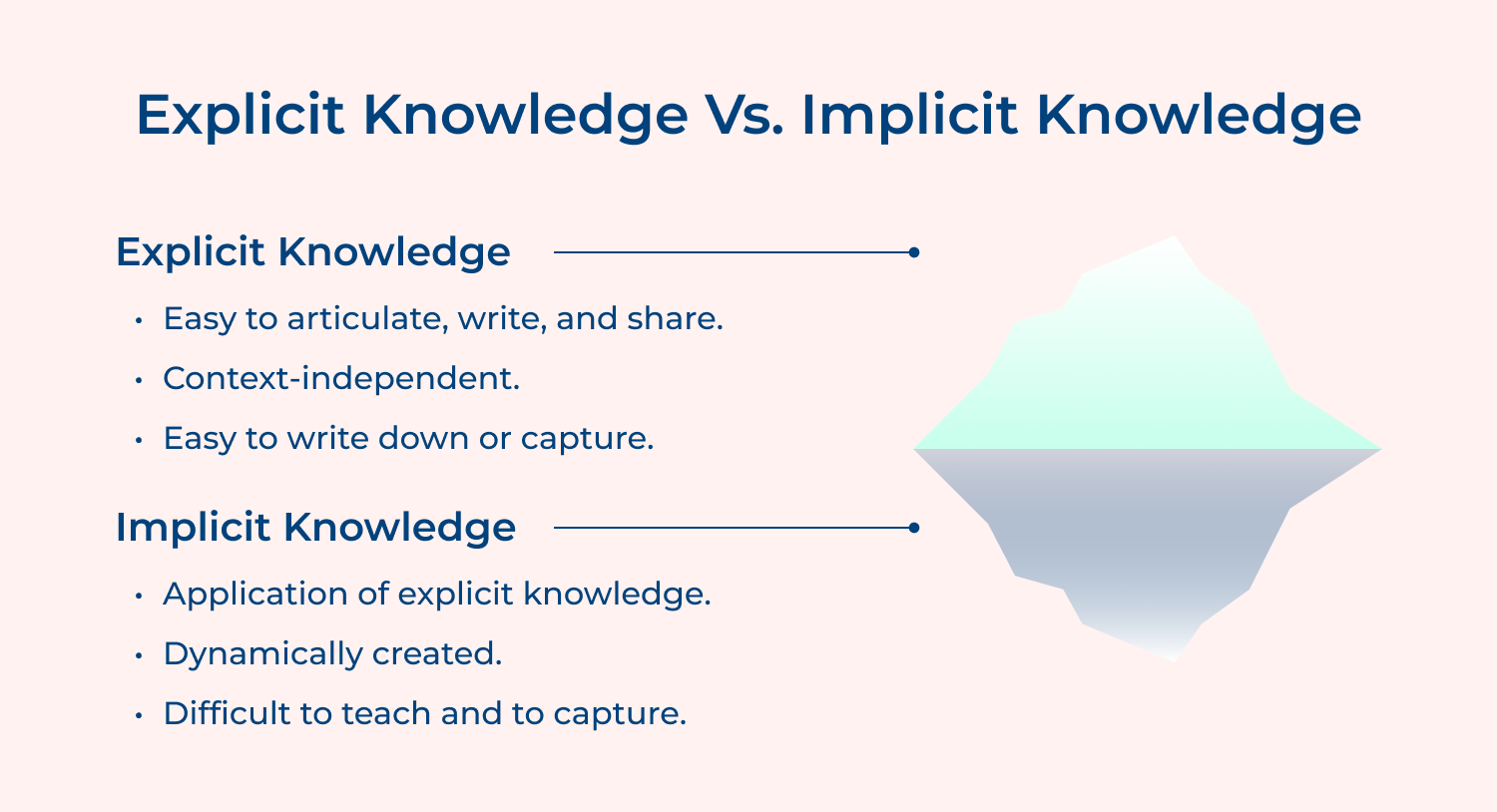
Explicit knowledge refers to knowledge that is easily codified and articulated. It can be communicated through words, numbers, or symbols, making it easy to transfer and share with others. Implicit knowledge is the knowledge that is deeply rooted in an individual’s experiences, skills, and intuition. This type of knowledge is often difficult to articulate and may be subconscious or tacit in nature.
Explicit knowledge is tangible and can be easily captured and documented. This type of knowledge is often found in textbooks, manuals, databases, and other formalized sources. Implicit knowledge is intangible and difficult to capture or transfer. This type of knowledge is often gained through hands-on experience, practice, and observation.
Explicit knowledge can be easily transferred from one individual to another through formalized channels such as training programs, workshops, or presentations. It is easy to teach and learn, making it accessible to a wide range of individuals. Implicit knowledge is difficult to transfer and may require personal interaction, mentorship, or on-the-job experience to fully grasp and understand.
Explicit knowledge can be captured and codified in a systematic and structured manner. It can be easily organized and stored in databases or other information systems for future reference. Implicit knowledge is difficult to codify and may reside in an individual’s memory, skills, or intuition. This type of knowledge is often context-specific and may be difficult to formalize or document.
Understanding the differences between the explicit and tacit knowledge can help individuals and organizations effectively manage their knowledge assets. Here are five key differences between explicit and tacit knowledge:
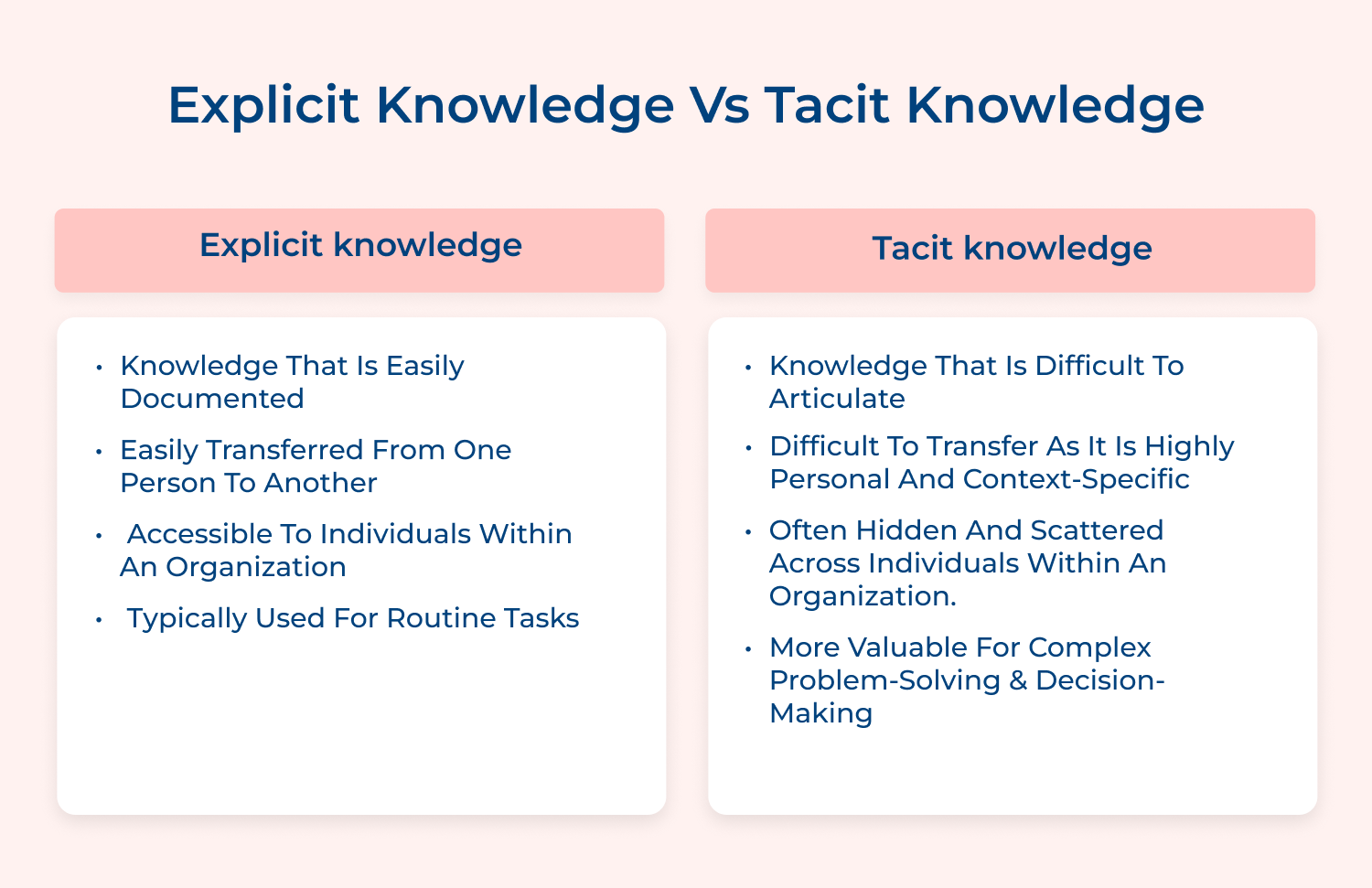
Explicit knowledge refers to knowledge that is easily documented, codified, and transferred. It can be written down in manuals, guides, or databases, making it easily accessible to others. On the other hand, tacit knowledge is the knowledge that is difficult to articulate or express in a tangible form. It is often based on personal experiences, insights, and intuitions that are not easily transferred to others.
Explicit knowledge can be easily transferred from one person to another through formal communication channels such as training sessions, workshops, or written documents. It can be shared and disseminated across individuals and organizations. In contrast, tacit knowledge is difficult to transfer as it is highly personal and context-specific. It is often transferred implicitly through observation, apprenticeship, and hands-on experience.
Explicit knowledge is easily accessible to individuals within an organization as it can be stored in centralized repositories and databases. It can be retrieved and utilized by employees to support decision-making and problem-solving. Tacit knowledge, on the other hand, is often hidden and scattered across individuals within an organization. It requires personal interaction and relationship-building to access and leverage effectively.
Explicit knowledge is typically used for routine tasks, standard operating procedures, and well-defined processes within an organization. It helps employees perform their daily tasks efficiently and effectively. Tacit knowledge, on the other hand, is more valuable for complex problem-solving, decision-making, and creative tasks that require intuition, judgment, and experience. It plays a crucial role in driving innovation, fostering collaboration, and enhancing individual expertise within an organization.
Unlocking valuable insights with explicit knowledge is crucial for businesses to make informed decisions and stay ahead in the competitive market. By tapping into explicit knowledge through data analysis, research, and information sharing, organizations can uncover hidden opportunities, identify trends, and improve their overall performance.
The right tools and strategies help businesses to leverage explicit knowledge inorder to enhance their operations, optimize processes, and drive growth. It is essential for businesses to prioritize the acquisition and utilization of explicit knowledge to unlock valuable insights that can drive success.

What are the different types of knowledge in an organization?
There are two main types of knowledge in an organization: explicit knowledge and implicit knowledge. Explicit knowledge is codified and can be easily communicated and shared, such as manuals, documents, and procedures. Implicit knowledge, on the other hand, is more difficult to articulate and is based on individual experiences, skills, and insights.
Why is explicit knowledge important for businesses?
Explicit knowledge is important for businesses because it can be easily captured, stored, and shared throughout the organization. This type of knowledge helps employees understand processes, procedures, and best practices, which can improve efficiency, productivity, and decision-making.
What is explicit knowledge in teaching?
In teaching, explicit knowledge refers to the information that is clearly defined and communicated to students. This type of knowledge is often presented through lectures, textbooks, and other instructional materials to help students understand concepts and principles.
What is explicit and implicit knowledge of learning?
Explicit knowledge of learning refers to the information that is presented and taught through formal education and training. It includes facts, definitions, and procedures that are easily articulated and understood. Implicit knowledge of learning, on the other hand, is the deeper, more intuitive understanding that comes from experience, practice, and reflection.
Which of the following is an example of explicit knowledge?
An example of explicit knowledge in a business setting could be a company’s employee handbook, which outlines policies, procedures, and guidelines for employees to follow. This type of knowledge is essential for ensuring consistency and compliance within the organization.
 https://omni24.io/wp-content/uploads/2026/08/AI-Customer-Service-Agents.png
1256
2400
Webvision Solution
https://omni24.io/wp-content/uploads/2023/04/Omni-Logo-1.svg
Webvision Solution2026-09-21 04:48:512026-09-21 04:48:51How to Build an AI Customer Service Agents: 8 Key Steps
https://omni24.io/wp-content/uploads/2026/08/AI-Customer-Service-Agents.png
1256
2400
Webvision Solution
https://omni24.io/wp-content/uploads/2023/04/Omni-Logo-1.svg
Webvision Solution2026-09-21 04:48:512026-09-21 04:48:51How to Build an AI Customer Service Agents: 8 Key Steps https://omni24.io/wp-content/uploads/2026/08/Omnichannel-Conversational-AI.png
1256
2400
Tushar Joshi
https://omni24.io/wp-content/uploads/2023/04/Omni-Logo-1.svg
Tushar Joshi2026-09-16 03:51:072026-09-16 03:51:07How to Build Omnichannel Conversational AI Strategy
https://omni24.io/wp-content/uploads/2026/08/Omnichannel-Conversational-AI.png
1256
2400
Tushar Joshi
https://omni24.io/wp-content/uploads/2023/04/Omni-Logo-1.svg
Tushar Joshi2026-09-16 03:51:072026-09-16 03:51:07How to Build Omnichannel Conversational AI Strategy https://omni24.io/wp-content/uploads/2026/08/Customer-Service-Teams.png
1256
2400
Tushar Joshi
https://omni24.io/wp-content/uploads/2023/04/Omni-Logo-1.svg
Tushar Joshi2026-09-15 04:01:522026-09-15 04:02:16How to Build Customer Service Teams: 6 Key Steps
https://omni24.io/wp-content/uploads/2026/08/Customer-Service-Teams.png
1256
2400
Tushar Joshi
https://omni24.io/wp-content/uploads/2023/04/Omni-Logo-1.svg
Tushar Joshi2026-09-15 04:01:522026-09-15 04:02:16How to Build Customer Service Teams: 6 Key Steps
Whether it’s about acquire, engage or support – Omni24 covers all your customer engagement needs in one complete platform.

Copyright ©2026 Veemo All rights reserved.
CA, Los Angeles, Hall Ave, 19011