Chatbot Pricing: How Much Does a Chatbot Cost?
Chatbot pricing varies by features, complexity and usage, with options from basic plans to advanced AI, including subscriptions, setup fees or pay‑per‑use.
Chatbot pricing varies by features, complexity and usage, with options from basic plans to advanced AI, including subscriptions, setup fees or pay‑per‑use.
How much should you pay for a chatbot? With so many options and pricing structures available, it can be difficult to navigate the complexities of chatbot pricing.
Whether you’re a business owner looking to implement a chatbot on your website or a developer looking to offer chatbot services, understanding the various factors that influence chatbot pricing is crucial.
Businesses of all sizes leveraging them to improve customer service, streamline processes and drive sales. With the wide range of features and capabilities that chatbots can offer, pricing can vary significantly depending on your needs.
Let us explore the various factors that influence chatbot pricing and the level of customization required.
A chatbot is defined as a computer program that simulates human conversation through artificial intelligence. Chatbots are typically used to interact with users in a conversational manner, answering questions, providing information and even completing tasks.
They can be integrated into websites, messaging apps and social media platforms, allowing businesses to automate customer interactions parallelly provide instant responses.
Key objectives:
Chatbot pricing can vary significantly depending on various factors. Understanding these factors is essential for businesses to make informed decisions for their chatbot initiatives.
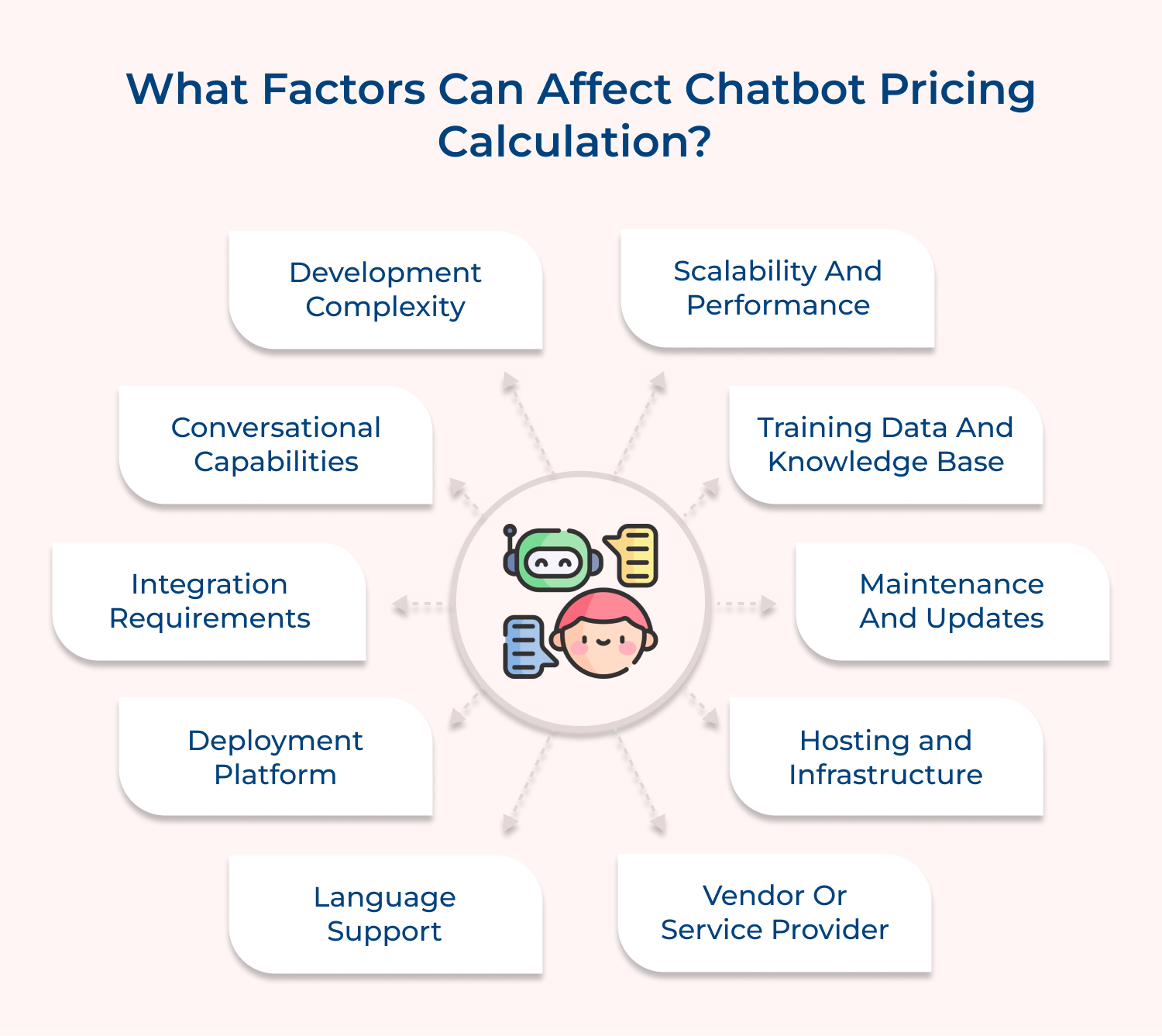
The complexity of the chatbot’s functionality and features is a significant factor that affects pricing.
A simple chatbot built with basic question-answering capabilities and predefined responses will typically cost less than a more advanced chatbot, that comprises natural language processing (NLP), machine learning (ML) and integration capabilities.
Chatbots that require custom integrations, complex business logic or specialized domain knowledge will generally demand higher development costs.
The level of conversational capabilities desired for the chatbot also impacts pricing.
Chatbots with simple pattern-matching or keyword-based responses will be less expensive than those powered by advanced NLP and deep learning models that can understand context, handle complex queries and engage in more natural conversations.
The sophistication of the conversational AI technology employed directly influences the pricing.
Many chatbots need to integrate with existing systems, such as customer relationship management (CRM) platforms, knowledge bases or enterprise resource planning (ERP) systems.
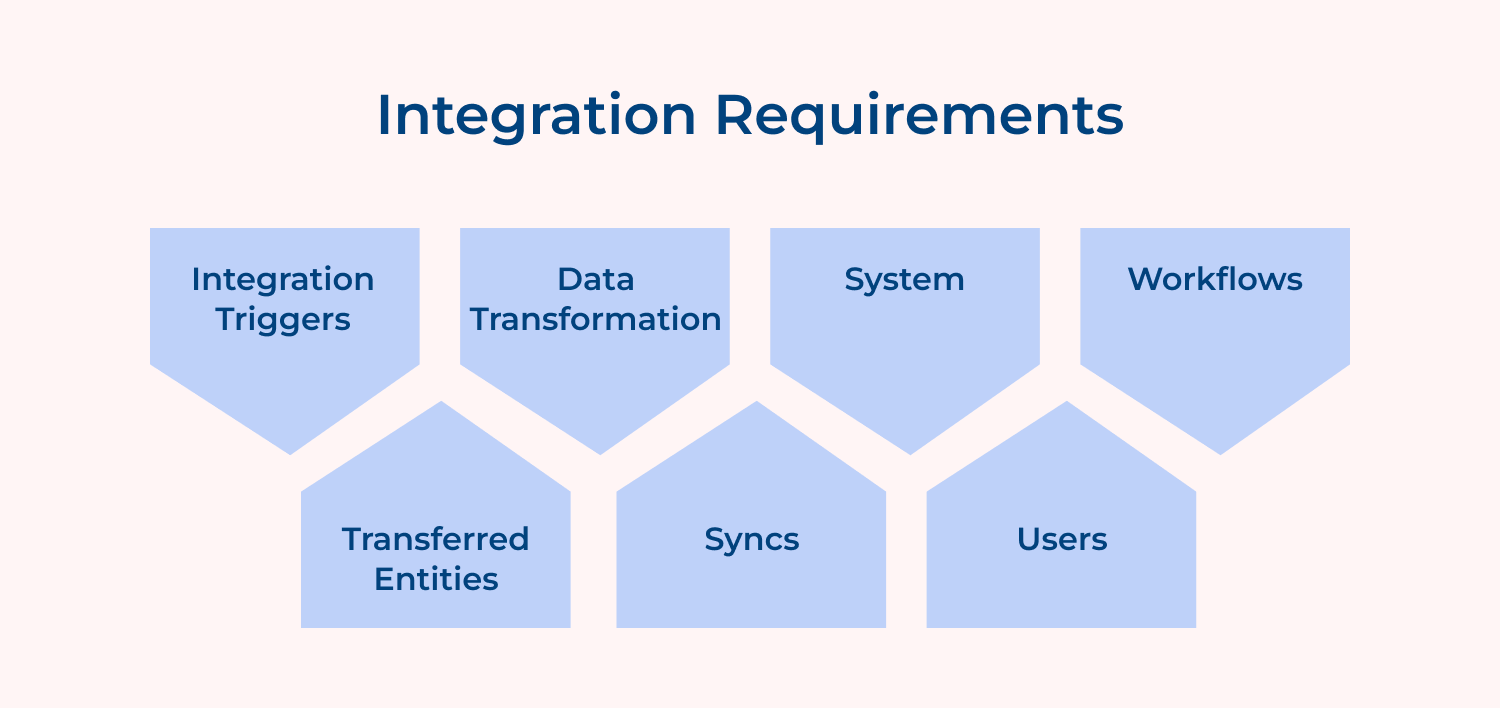
These integrations can add complexity and additional development efforts, resulting in higher costs. The number and complexity of integrations required will affect the overall pricing of the chatbot solution.
The platform or channels on which the chatbot will be deployed can influence pricing. Deploying a chatbot on a website, mobile app or messaging platforms like WhatsApp, Facebook Messenger or Slack may have different pricing structures and requirements.
Deploying on multiple platforms simultaneously can increase costs due to the need for platform-specific customizations and maintenance.
If the chatbot needs to support multiple languages, the pricing will be impacted by the additional effort required for language modeling, translation and localization. The more languages supported, the higher the costs associated with data acquisition, training and testing for each language.
Chatbots designed to handle high volumes of traffic or process large amounts of data may require more powerful infrastructure, load balancing and optimization techniques.
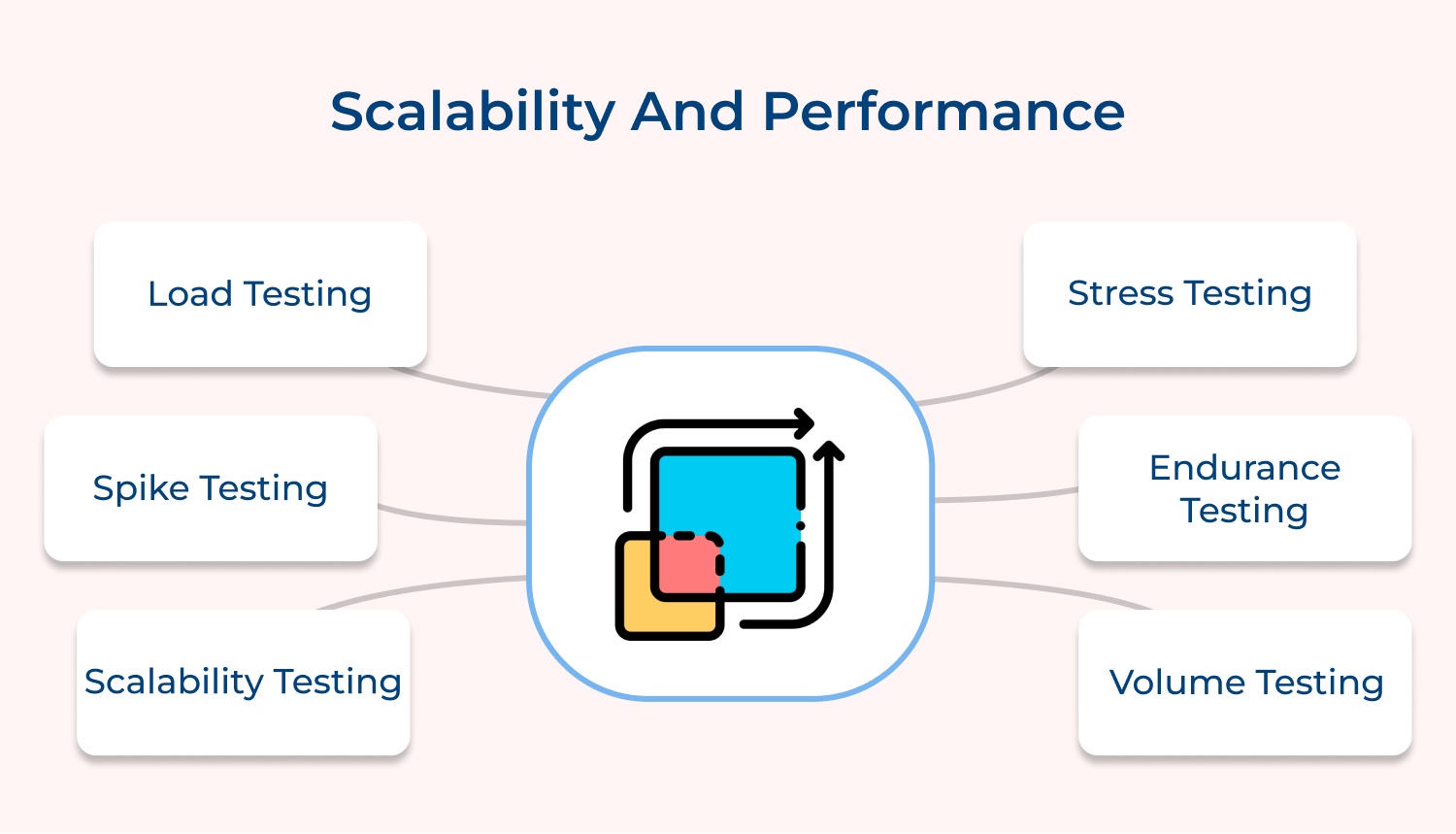
These scalability and performance requirements can increase the overall cost of the chatbot solution, including hardware & software maintenance expenses.
The quality and size of training data of the knowledge base required for the chatbot can significantly impact pricing. Acquiring or creating high-quality training data and curating a comprehensive knowledge base can be resource-intensive especially for specialized domains or industries.
Chatbots require regular maintenance, updates and improvements to ensure they remain relevant, accurate and effective. The ongoing maintenance includes updating the knowledge base, refining conversational models, addressing bugs or issues and incorporating user feedback.
The frequency and complexity of these updates will influence the long-term costs associated with the chatbot solution.
Depending on the deployment model (on-premises or cloud-based), the costs associated with hosting and infrastructure can vary. Cloud-based solutions may have recurring subscription fees, while on-premises deployments may require upfront hardware and infrastructure investments.
The pricing model of the chatbot vendor or service provider can also play a role in the overall cost. Some vendors offer fixed pricing based on features or user tiers, while others charge based on usage or consumption metrics. The reputation, expertise and support services offered by the vendor can impact pricing.
The cost of a chatbot can vary significantly depending on several factors. But, here’s a general overview of the potential costs involved:
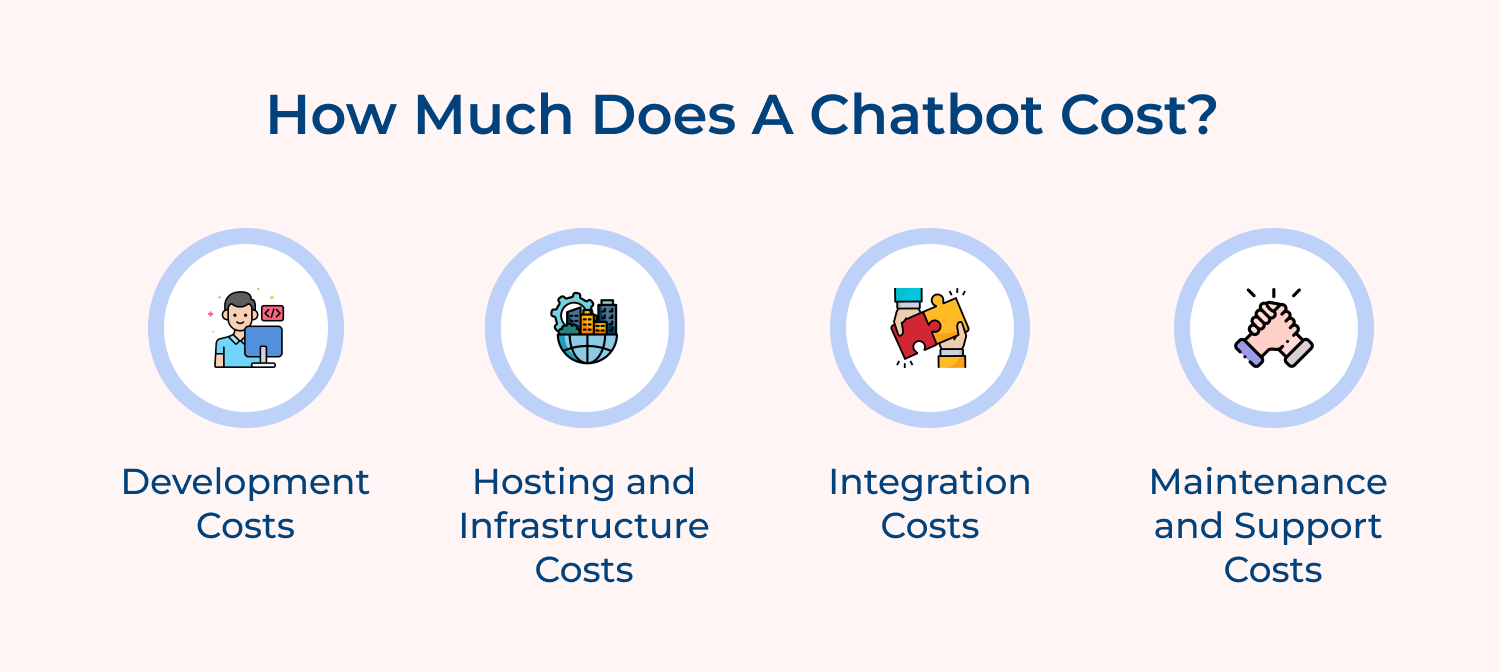
Development Costs
Basic chatbot: $5,000 – $20,000
Advanced chatbot with natural language processing (NLP) and machine learning (ML): $20,000 – $100,000+
Hosting and Infrastructure Costs
Integration Costs
Maintenance and Support Costs
When it comes to pricing of chatbots, there are several common pricing models that businesses can choose from. It varies based on features and capabilities the chatbot offers.
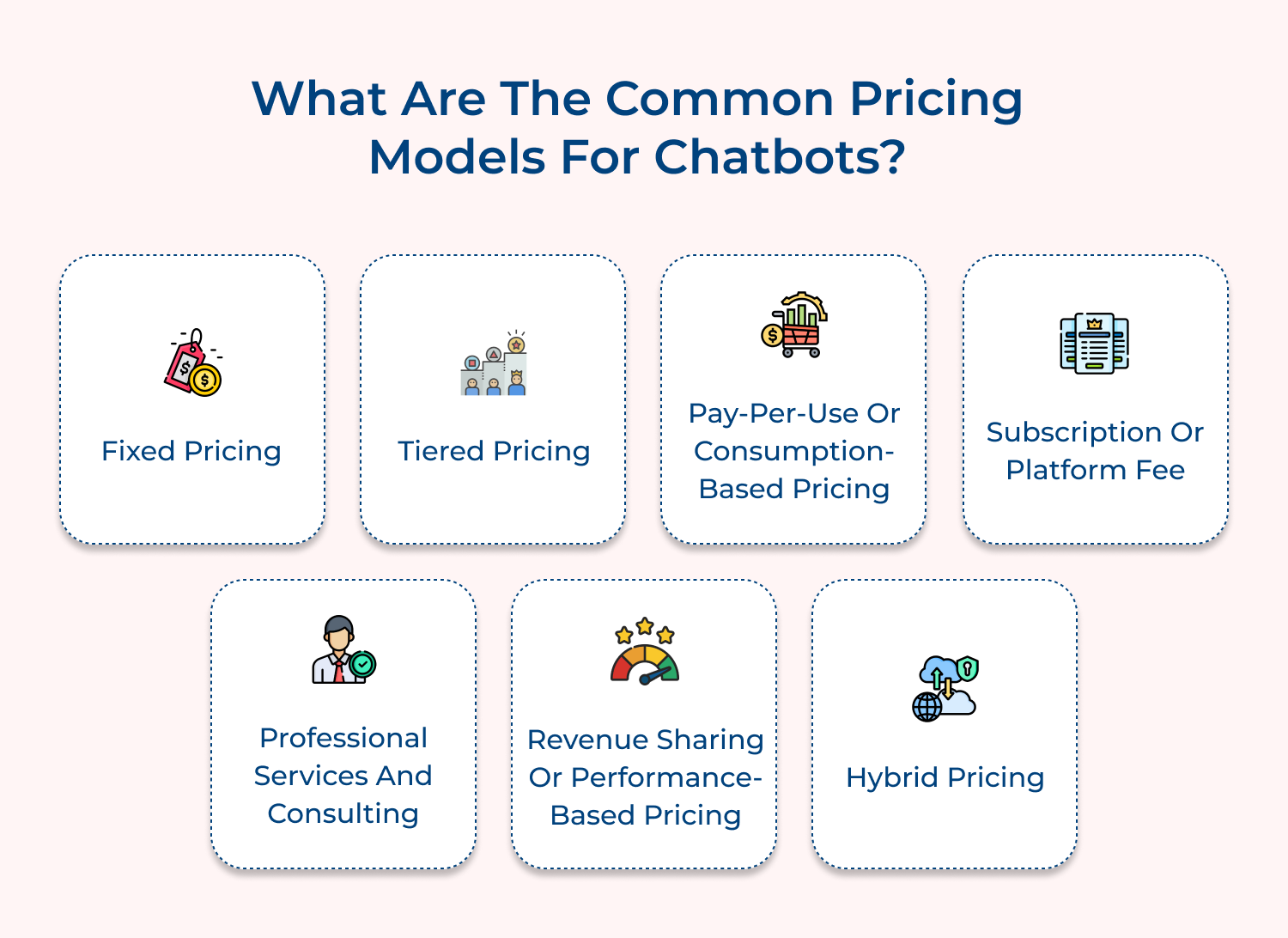
Fixed Pricing
Tiered Pricing
Pay-per-Use or Consumption-based Pricing
Subscription or Platform Fee
Professional Services and Consulting
Revenue Sharing or Performance-based Pricing
Hybrid Pricing
One key challenge of implementing chatbots is determining the right pricing strategy. Chatbot pricing varies depending on customization level, features and integration with other systems.
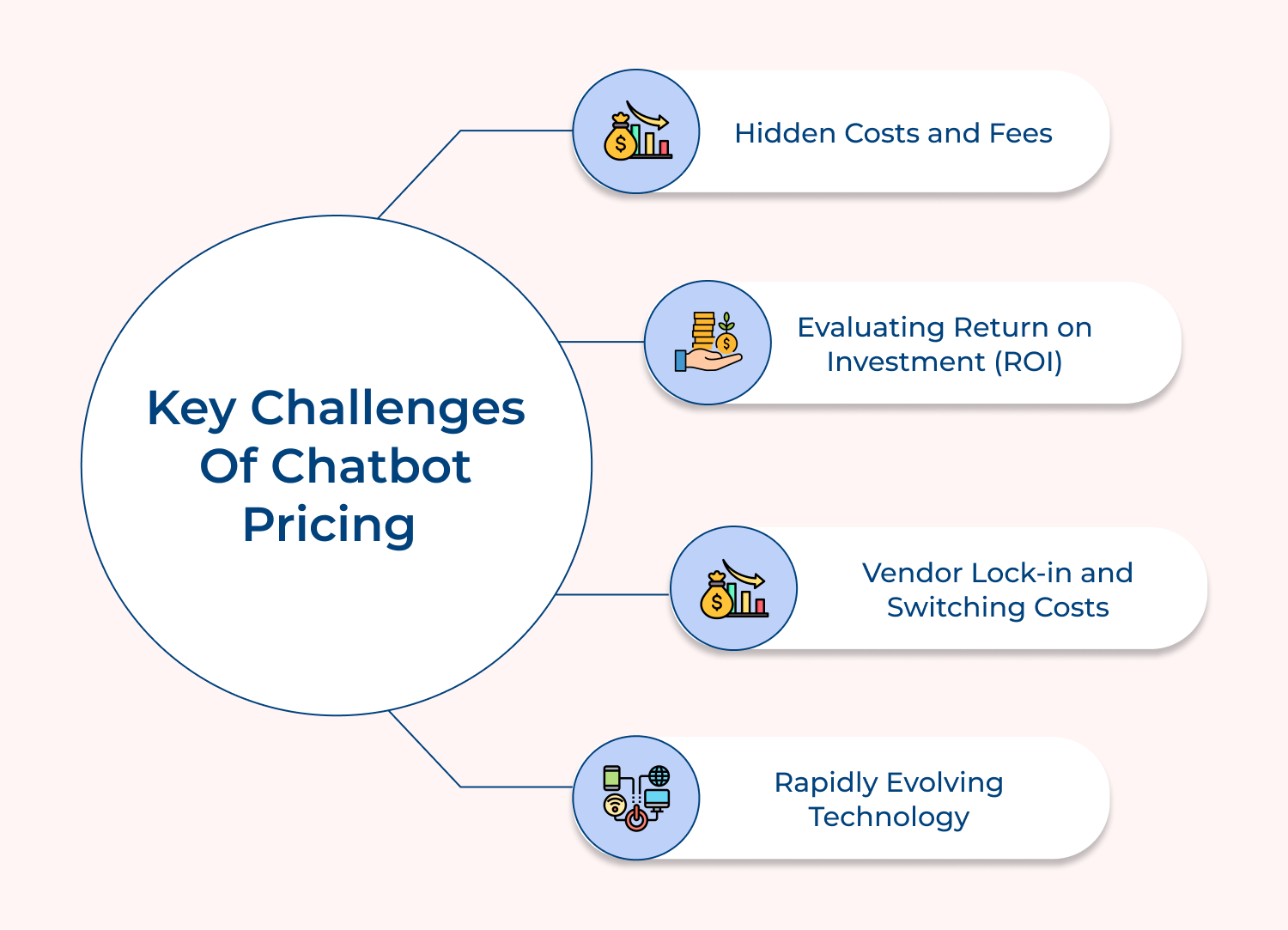
Some chatbot pricing models may include hidden costs or additional fees that are not immediately apparent. These can include charges for maintenance, updates, support, integrations, or usage overages. It’s crucial to review the pricing terms and conditions to understand all potential costs to avoid unexpected expenses.
Calculating the potential return on investment (ROI) for a chatbot solution can be challenging, especially for businesses without prior experience with chatbot implementations.
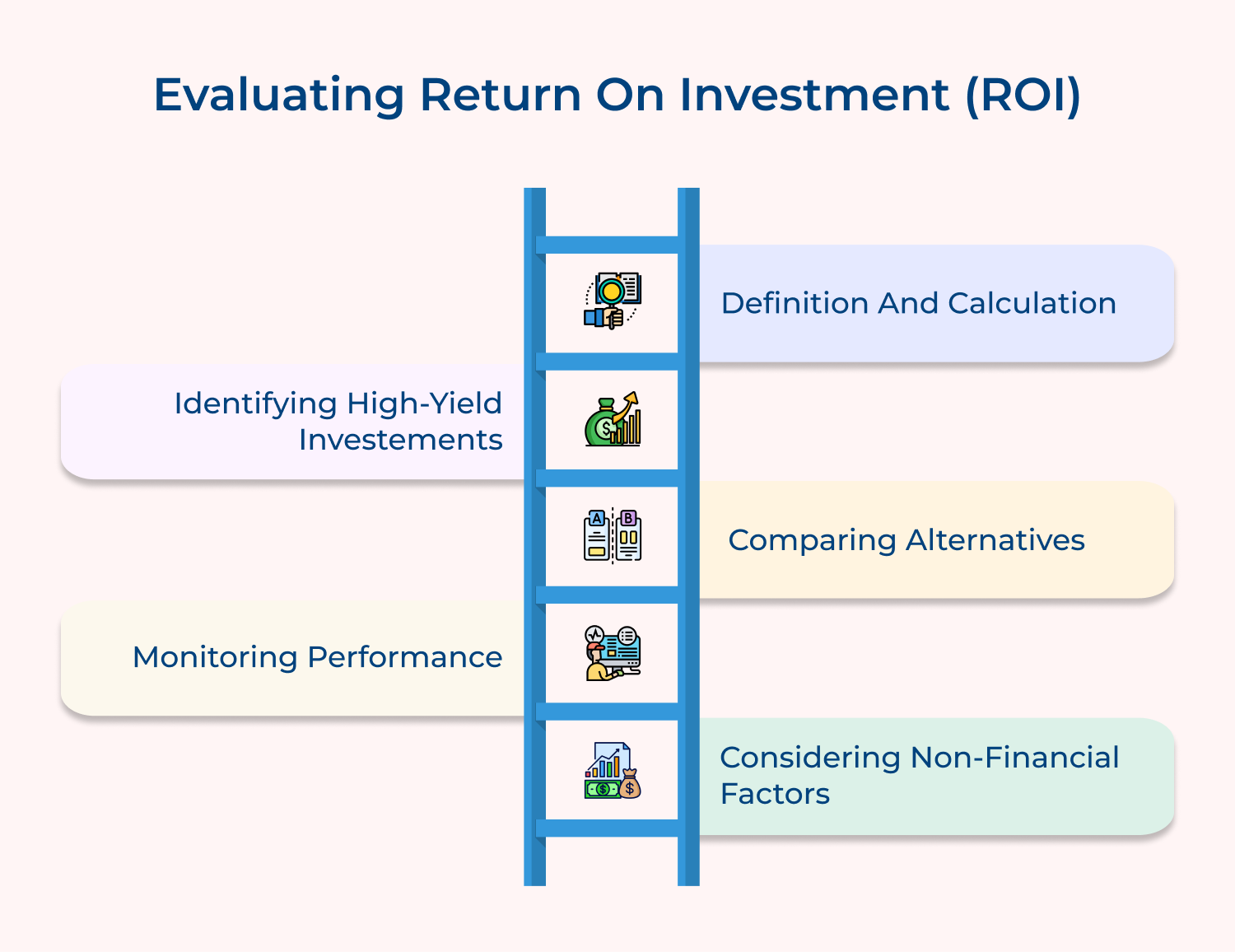
Determining the tangible as well as intangible benefits, such as improved customer satisfaction, operational efficiencies and cost savings, can be complex and may require ongoing monitoring analysis.
Some chatbot vendors may employ pricing strategies or contractual terms that make it difficult or costly to switch to another provider in the future. Organizations should carefully evaluate the long-term implications of vendor lock-in and potential switching costs before committing to a particular chatbot solution.
The chatbot technology landscape is rapidly evolving, with new advancements in natural language processing, machine learning and conversational AI. As technology evolves, pricing models may need to adapt and organizations may need to reevaluate their chatbot solutions to meet changing customer expectations.
Navigating the complexities of chatbot pricing can be challenging but by understanding the key factors that influence pricing, businesses can make informed decisions. Factors such as functionality, customization, maintenance and support all play a role in determining the cost of a chatbot solution.
It is essential for businesses to carefully evaluate their needs and budget to choose a chatbot provider that offers the best value for their investment. By doing thorough research and weighing all options, businesses can successfully implement a chatbot strategy that enhances customer engagement and drives business growth.

How Much Can a Chatbot Actually Cost?
The cost of a chatbot can vary greatly depending on the complexity of the bot, the features you want included and the platform you choose to build it on. Chatbot development can range from a few hundred dollars to several thousand dollars.
How much does an AI chatbot cost?
AI chatbots tend to be on the higher end of the cost spectrum due to the advanced technology involved. Prices can start at a few thousand dollars and go up from there.
Are chatbots cost-effective?
Many businesses find that chatbots are cost-effective because they can automate tasks that would otherwise require a human to do. This can save businesses time and money in the long run.
How to Reduce Chatbot Costs With the Best Chatbot Builder?
To reduce chatbot costs, it’s important to choose a chatbot builder that aligns with your budget and offers the features you need. Look for platforms that offer flexible pricing plans and user-friendly interfaces to make building and maintaining your chatbot cost-effective.
What are the different types of chatbot pricing?
Chatbot pricing can be based on factors such as the number of users, the features included and the level of customization required. Some chatbot builders offer tiered pricing plans, while others charge a one-time fee for development.
What additional costs should I consider when budgeting for a chatbot?
When budgeting for a chatbot, it’s important to consider ongoing costs such as maintenance, updates and training. You may also need to budget for integration with other systems and platforms, as well as any potential customization or additional features you want to add in the future.
 https://omni24.io/wp-content/uploads/2026/08/Omnichannel-Chatbots.png
1256
2400
Tushar Joshi
https://omni24.io/wp-content/uploads/2023/04/Omni-Logo-1.svg
Tushar Joshi2026-08-13 04:43:302026-08-24 09:02:01How Omnichannel Chatbots Improve Your Customer Experience
https://omni24.io/wp-content/uploads/2026/08/Omnichannel-Chatbots.png
1256
2400
Tushar Joshi
https://omni24.io/wp-content/uploads/2023/04/Omni-Logo-1.svg
Tushar Joshi2026-08-13 04:43:302026-08-24 09:02:01How Omnichannel Chatbots Improve Your Customer Experience https://omni24.io/wp-content/uploads/2026/08/Ecommerce-Chatbots-1.png
1256
2400
Tushar Joshi
https://omni24.io/wp-content/uploads/2023/04/Omni-Logo-1.svg
Tushar Joshi2026-08-12 03:57:552026-08-24 09:03:22Ecommerce Chatbots: What are They and Their Use Cases
https://omni24.io/wp-content/uploads/2026/08/Ecommerce-Chatbots-1.png
1256
2400
Tushar Joshi
https://omni24.io/wp-content/uploads/2023/04/Omni-Logo-1.svg
Tushar Joshi2026-08-12 03:57:552026-08-24 09:03:22Ecommerce Chatbots: What are They and Their Use Cases https://omni24.io/wp-content/uploads/2026/08/Omnichannel-Ecommerce.png
1256
2400
Tushar Joshi
https://omni24.io/wp-content/uploads/2023/04/Omni-Logo-1.svg
Tushar Joshi2026-08-11 04:50:362026-08-24 09:00:45How to Create an Omnichannel Ecommerce Strategy: 7 Best Ways
https://omni24.io/wp-content/uploads/2026/08/Omnichannel-Ecommerce.png
1256
2400
Tushar Joshi
https://omni24.io/wp-content/uploads/2023/04/Omni-Logo-1.svg
Tushar Joshi2026-08-11 04:50:362026-08-24 09:00:45How to Create an Omnichannel Ecommerce Strategy: 7 Best Ways
Whether it’s about acquire, engage or support – Omni24 covers all your customer engagement needs in one complete platform.

Copyright ©2026 Veemo All rights reserved.
CA, Los Angeles, Hall Ave, 19011